Last updated November 20, 2026
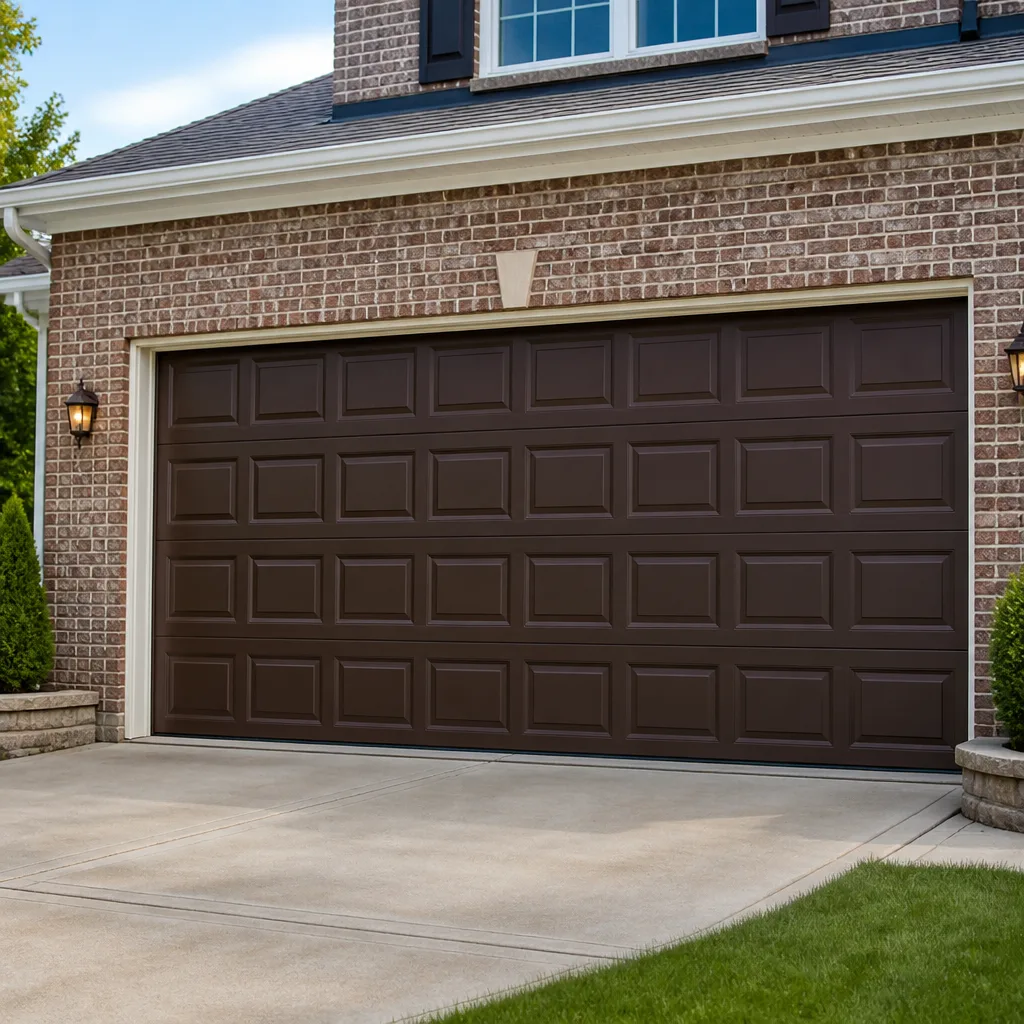 Raised-panel steel
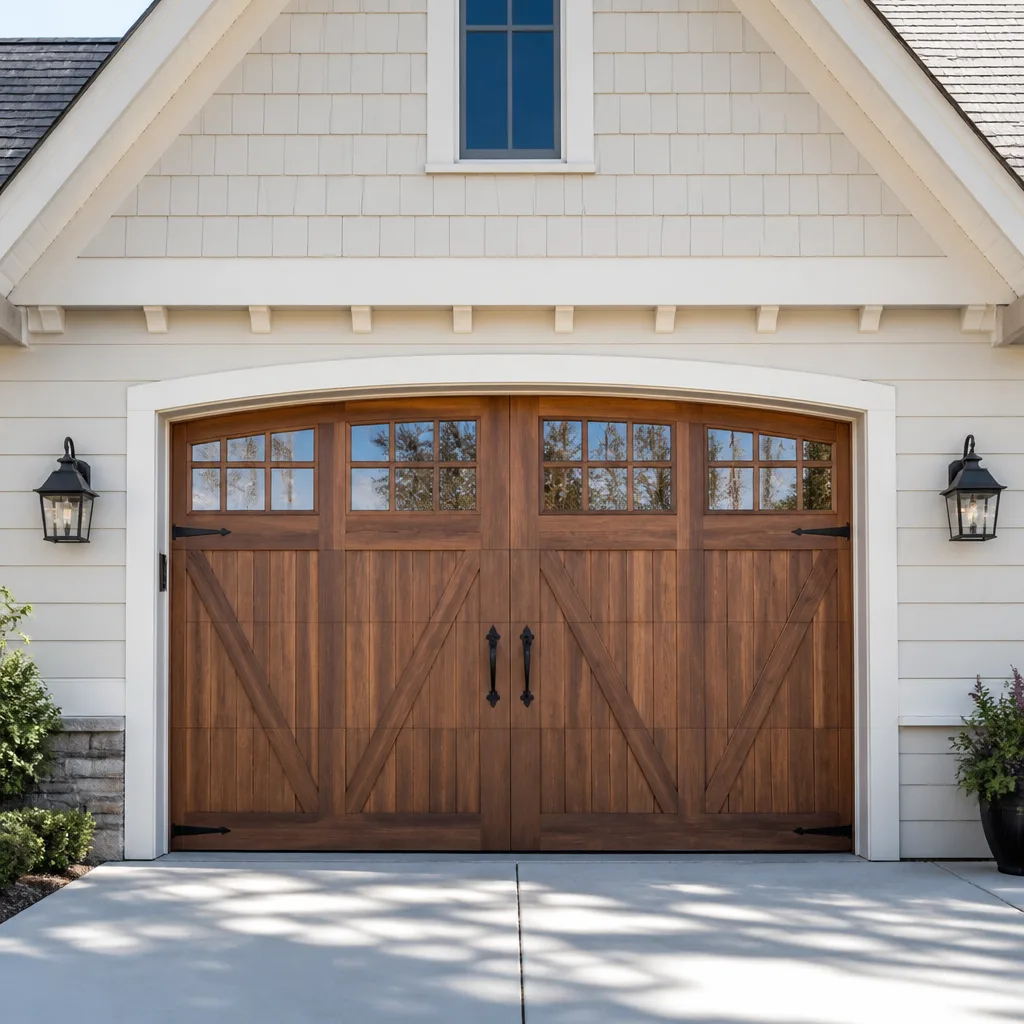 Carriage house
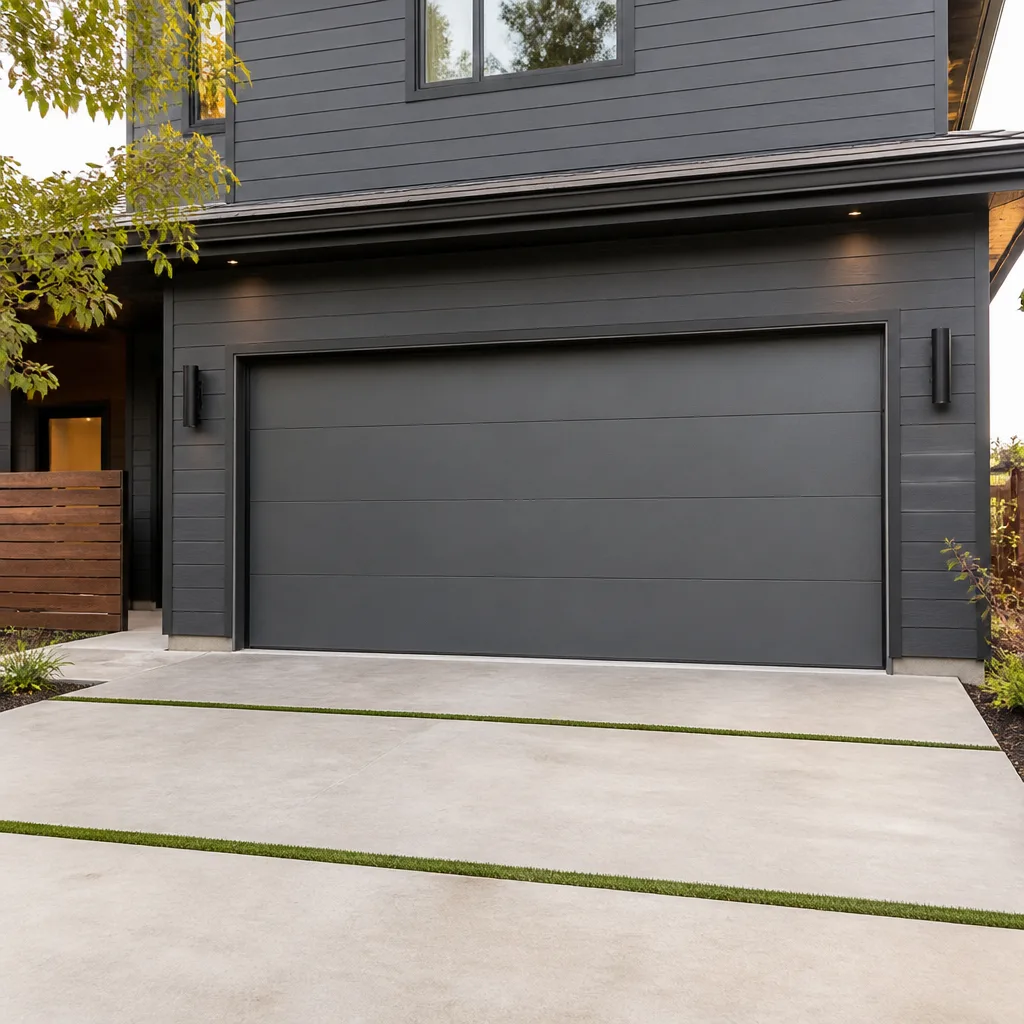 Modern flush
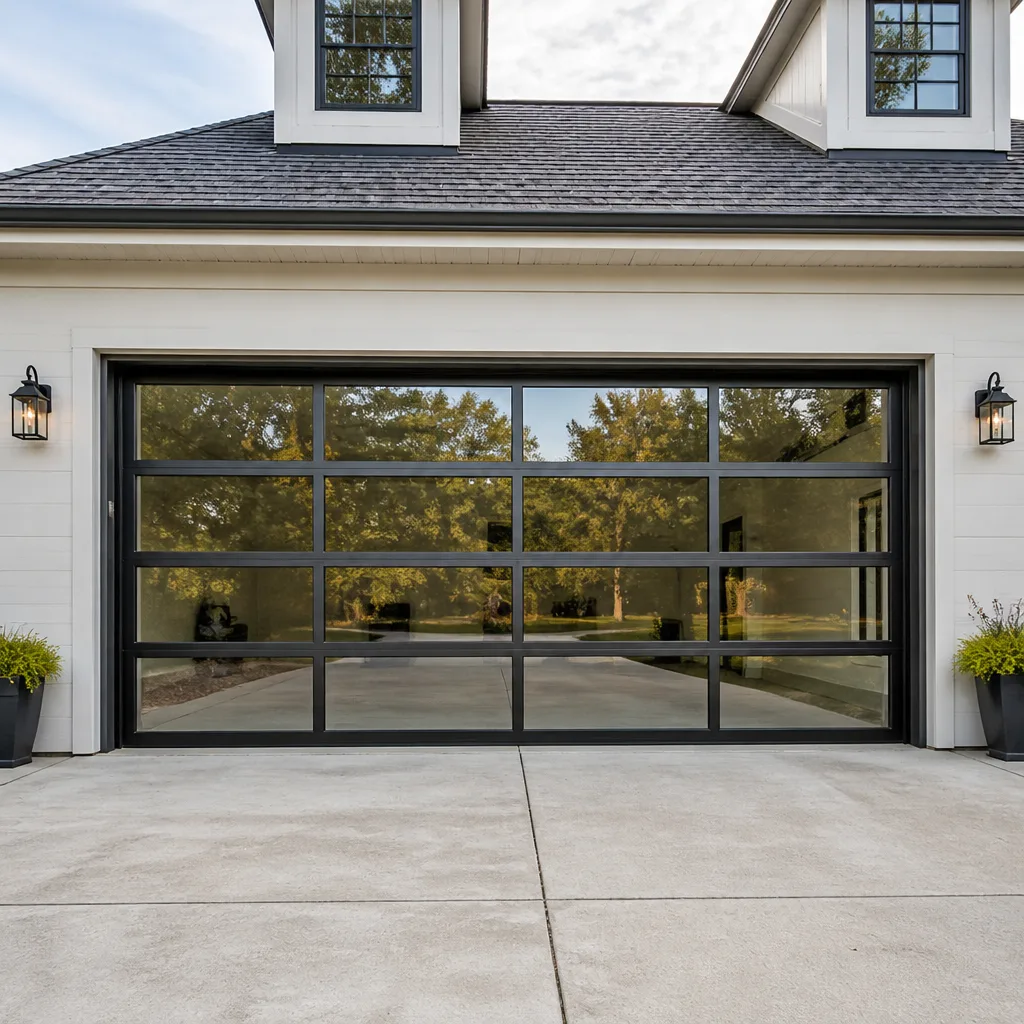 Full-view glass
 LiftMaster openers
 Chamberlain openers
Full 25-point door and opener safety check with every visit - springs, cables, rollers, tracks, and your LiftMaster or Chamberlain opener included
You get a price before we start. It does not change when the pro arrives.
Get your free estimateDIY vs Professional Garage Door: The Holly Hills Homeowner’s Decision Guide
Most DIY-versus-pro advice treats garage doors as one big category. That’s the wrong way to think about it. A garage door is really two very different machines bolted together: a low-risk exterior assembly (panels, seals, rollers, sensors) and a high-tension mechanical system (springs, cables, drums) that stores enough force to move hundreds of pounds. The Consumer Product Safety Commission attributes roughly 15,000 emergency room visits a year to garage door injuries, and the majority involve springs and cables. So the real question isn’t whether you’re handy. It’s whether the physics of a specific component leaves you any room for error on a first attempt. This guide breaks the job down task by task so Holly Hills homeowners can decide what to handle and what to hand off.
Quick Answer
In Holly Hills, you can safely DIY the low-tension jobs: weatherstripping, lubrication, roller swaps, and photo-eye sensor alignment. You should not DIY spring replacement, cable replacement, or track realignment. Those involve stored tension and heavy moving parts where a single slip causes serious injury, and they’re the tasks professionals train specifically to do. If your door won’t open, sags, or makes a loud bang, that’s a spring or cable problem, not a Saturday project.
Styles & brands we work with
- Raised-panel steel
- Carriage house
- Modern flush
- Full-view glass
- LiftMaster openers
- Chamberlain openers
Table of Contents
- The Task-by-Task Risk and Skill Matrix
- Why Springs and Cables Are Different From Everything Else
- The Tools Real Spring Work Requires (and Why Improvising Them Hurts People)
- The Honest Cost Comparison: DIY vs Professional
- How DIY Work Affects Your Opener and Door Warranty
- What Holly Hills Homeowners Can Legitimately Self-Manage
- Brand Fluency and Parts: Why It Matters for a DIY Attempt
- Holly Hills Climate and Housing: What It Does to Your Door
The Task-by-Task Risk and Skill Matrix
Not every garage door task belongs in the same bucket. Some are genuinely reasonable for a careful homeowner with a stepladder and an afternoon. Others look simple on video and are physically unforgiving in person. Here’s how the work actually sorts out.
DIY-reasonable tasks
- Weatherstripping and bottom seals. These are rubber or vinyl strips that slide into a channel or fasten with small screws. Low tension, low weight, no stored energy.
- Lubrication. A garage door has hinges, rollers, and tracks that benefit from a proper garage-door lubricant. This is maintenance, not repair, and it’s the single easiest thing to do yourself.
- Photo-eye sensor alignment. The two small sensors at the bottom of the tracks need a clear line of sight to each other. Nudging them back into alignment or wiping them clean is safe and quick.
- Roller replacement. With the door fully closed and the tension removed from the track side, worn nylon rollers can be swapped. This one sits on the edge of DIY territory.
- Remote and keypad programming. Battery changes, re-pairing a remote, changing a keypad code. No tools beyond a manual.
Professional-required tasks
- Torsion spring replacement. The spring above the door stores the full weight of the door in torsion. This is the most dangerous job in the trade.
- Extension spring replacement. Older doors use springs that stretch along the horizontal tracks. Still under heavy load, still dangerous.
- Cable replacement. Cables are under tension whenever the spring is wound. A cable that snaps free can cause severe lacerations.
- Track realignment. A bent track means the door is riding wrong, and forcing it back into position can drop the door or twist a panel.
- Panel replacement and full door installation. Weight, anchoring, and spring balancing all have to be right or the door won’t sit square.
The dividing line is simple: if the task involves releasing or managing stored spring tension, it’s not a DIY task. Everything else is negotiable. For a real diagnosis of which category your problem falls into, our Garage Door Repair Holly Hills team can tell you over the phone.
Why Springs and Cables Are Different From Everything Else
A torsion spring holds the weight of a garage door in a wound-up coil. When it’s doing its job, you barely notice it. When it fails, that stored energy releases at once. This is why a snapped spring sounds like a gunshot and why the door suddenly becomes too heavy to lift. The spring wasn’t a convenience feature. It was holding your door up.
An extension spring works the same way in a different configuration, stretching along the horizontal track. Both spring types carry the full counterbalance load of the door. There is no safe way to “test” a wound spring by hand, and no partial-release method that’s forgiving of a mistake. When a technician works on a spring, the door is fully closed, the tension is bracketed, and the releasing is done with controlled tools in a specific sequence.
Cables add a second layer of risk. They run from the bottom corner brackets up to the drums, and they’re only slack when the spring is fully unwound. If you cut or release a cable while the spring is still carrying load, the cable whips free. That’s how people lose fingers and take deep cuts to the arms and face.
This is exactly why spring repair is the line between a specialist and a generalist. Handymen who’ll swap a faucet will often decline a torsion spring, because the physics doesn’t leave margin for a learning curve. We do this work routinely, and we’d rather tell a Holly Hills homeowner “don’t touch that” than sell a job that isn’t safe. Our garage door repair team will confirm whether your door needs a spring or a cable before you decide anything else.
The Tools Real Spring Work Requires (and Why Improvising Them Hurts People)
The number one cause of spring injuries isn’t worn-out springs. It’s homeowners using the wrong tool. A winding bar isn’t a screwdriver, and a pair of vise grips isn’t a winding bar. Real spring work uses a specific set of tools for a specific reason.
- A pair of winding bars sized to your spring cone. Torsion springs require two bars so one can hold tension while the other advances. Using one bar means the spring is unconstrained at the moment you reposition.
- Properly rated safety glasses. Springs and cables fail in fragments. Eye protection is not optional.
- Heavy work gloves rated for cable and spring work. Leather or heavy-duty gloves, not driving gloves.
- A winding bar retention tool or clamp. This holds the door in place so the spring doesn’t take over mid-wind.
- A door-locking mechanism. The door must be physically locked in the closed position before any spring work begins.
- A torque bar or door positioner. For extension spring doors, this prevents the door from moving during the swap.
- A factory spring chart or reference for your exact door. Spring wire gauge, length, and inside diameter all have to match the door weight or the balance will be wrong.
Substituting tools is the leading cause of spring injury. Screwdrivers, pliers, allen wrenches, and homemade bars all fail in the same way: they slip out of the cone while the spring is loaded. When that happens, the bar isn’t the only thing that moves. If you don’t own the correct winding bar set for your spring type, you don’t own the tools for the job. Our technicians have up to 13 years of experience and carry the right bars for both torsion and extension work.
The same logic applies to opener repairs. If your opener isn’t lifting the door, the problem is sometimes the opener and sometimes the spring or door balance. Diagnosing which is which before you buy a motor saves a lot of money. That’s the kind of triage our garage door opener repair team handles on a routine call.
The Honest Cost Comparison: DIY vs Professional
The DIY case for springs usually rests on the price of the part. That’s the wrong number to look at. A fair comparison adds the cost of the part, the cost of the correct tools, the value of your time, and the risk of secondary damage. Here’s how that actually looks.
| Approach | What’s included | What can go wrong |
|---|---|---|
| DIY weatherstripping or seals | Materials, a screwdriver, an hour | Wrong size seal, minor water intrusion |
| DIY lubrication | One can of garage-door lubricant | Over-spray on rollers, minor mess |
| DIY sensor alignment | No cost, a screwdriver at most | Door still reverses if the sensor is faulty, not misaligned |
| DIY spring replacement | Spring, two winding bars, safety gear, several hours | Serious injury, damaged door, wrong spring balance, bent panels |
| Professional spring repair | Correct spring, correct tools, trained labor, written estimate | Delayed schedule if you wait until the door fails |
For spring work specifically, the tool cost alone usually cancels the “savings” of a DIY attempt. A quality winding bar set plus safety gear often runs close to what labor would cost. And that’s before you account for what happens if the door comes out of balance and starts damaging panels or the opener. A door that’s been jarred by a bad spring install often needs a follow-up repair that costs more than the original job.
A professional spring repair is quoted as a flat price for one spring, agreed before any work starts. Matched pairs are usually replaced together, since a worn spring next to a new one fails quickly, and a pair costs about twice the single-spring figure. The written estimate sets the final price, and any extra work is approved by you before it happens. For a real number on your door, our local repair team gives free estimates in Holly Hills.
On the installation side, the math is even more lopsided. A new door requires measuring, ordering, anchoring, balancing, and tuning the opener’s travel limits. That’s not a DIY call. A proper garage door installation is measured and scheduled, and the written price covers the whole job before anyone picks up a tool.
How DIY Work Affects Your Opener and Door Warranty
Most brand-name garage door openers and doors carry a manufacturer warranty that assumes professional installation, or at minimum a certified installation. When a motor fails under warranty and a technician opens the unit to find DIY wiring, mismatched hardware, or evidence of an unapproved install, coverage is often denied. That’s the part most homeowners don’t find out until they need the warranty.
This is where brand fluency matters. If you’re running a LiftMaster opener and you or a neighbor installed it yourselves, the internal travel-limit settings and force adjustments are probably off spec. Those adjustments drive the motor harder than it’s rated for, which is one reason motors fail early. A Craftman or Genie unit has different calibration steps and different failure modes. A generalist can’t tell you which unit is behaving correctly without knowing the brand.
When you work with a specialist, the repair is done to the brand’s spec, and if a warranty claim becomes relevant, the record of a certified repair helps. That’s the argument for professional work on openers, even when the visible issue looks like a small one.
- Motor and drive-train failures under warranty are often voided by non-certified installation.
- Opener force and travel-limit settings have to be calibrated to the specific brand and model.
- Door panel and spring warranties often assume the door was balanced professionally.
- A documented professional repair gives you a paper trail if a claim arises later.
If your opener is misbehaving, it’s worth asking whether the fix is a calibration issue or a hardware failure before you commit to a replacement. Our opener repair team covers the dominant residential brands and can tell you which it is.
What Holly Hills Homeowners Can Legitimately Self-Manage
Between professional visits, there’s real work you can do to keep the door running smoothly and extend its life. None of it involves stored tension. All of it is worth doing.
- Lubricate the moving parts twice a year. Hinges, rollers, and the track get a garage-door-specific lubricant. Avoid grease that attracts grit.
- Wipe down the tracks with a damp cloth. Dirt and grit wear rollers faster than anything else.
- Test the reversing safety feature monthly. Place a small object in the door’s path and confirm the door reverses on contact or on breaking the photo-eye beam. This is a safety check, not a repair.
- Check the weatherstripping at each season change. A cracked seal lets water and cold air in, and it’s a cheap, easy replacement.
- Listen for new sounds. Grinding, rattling, or popping that wasn’t there last month is worth a professional look before it becomes a bigger problem.
- Keep the tracks clear of debris. Leaves, twigs, and stored items leaning against the track can pull the door out of alignment.
- Balance-test the door by hand. Disconnect the opener and lift the door halfway. If it doesn’t stay put, the springs are out of balance and it’s time for a professional.
That last check is the most useful thing you can learn to do. A door that no longer stays where you leave it is telling you the spring is losing its tension, and that’s the moment to call before it fails. Around Holly Hills, where homes often have detached or attached garages opening onto short driveways, a door that drops unexpectedly is a real hazard for anyone walking under it. If you’re not sure what you’re hearing, our Garage Door Repair Holly Hills team is a phone call away for a diagnostic.
Brand Fluency and Parts: Why It Matters for a DIY Attempt
If you’re going to DIY the safe tasks, you need the right part. A generic bottom seal that’s a half-inch too wide won’t seat. A roller that’s rated for the wrong door weight will wear out in months. Even a battery in a remote is not always interchangeable. The brand of your door and opener tells you what will fit and what won’t.
We work on Wayne Dalton, LiftMaster, Raynor, Craftsman, Chamberlain, Genie, Clopay, and Amarr, which covers most of what’s installed in Holly Hills homes. That means parts supply isn’t a guessing game. Homeowners who’d rather do the safe jobs themselves can call us, describe the door, and get the correct part. We supply parts as a service in their own right, not just as an add-on to a repair, and knowing the brand is how a DIY job avoids a second trip to the store.
One warning worth stating plainly: if you’re sourcing a spring, don’t buy a generic spring to “match the look.” Torsion springs are specified by wire gauge, inside diameter, and length, and they have to match the weight of your door. Wrong spring, wrong balance, and the door is dangerous. If you’re replacing springs, that’s the point at which a professional is not just safer but genuinely faster and more reliable. Raynor and Wayne Dalton doors in particular have specific spring specs, and a mismatched one puts every cycle of the door at risk.
Holly Hills Climate and Housing: What It Does to Your Door
Holly Hills sits in the St. Louis area, which means hot, humid summers and cold, wet winters. That swing is hard on a garage door. Heat expands metal and softens seals. Freeze-thaw cycles in the winter put stress on cables and springs. The wooden or composite components in older doors take on moisture, which makes them heavier and puts more load on the springs over time.
That climate pattern shapes which tasks are truly DIY-friendly. Seals and weatherstripping are the highest-value DIY job in Holly Hills, because they’re the first thing that fails when temperatures swing, and replacing them keeps water out of the garage. Lubrication matters more here than in dry climates because humidity and grit combine to wear rollers. Springs, on the other hand, take more load in a humid climate because the door itself gains weight with moisture, which is one reason Holly Hills springs tend to fail suddenly rather than gradually.
Many Holly Hills homes have older doors that were installed decades ago, with extension springs and wooden panels. Those are the doors where the spring carries the most load and where a DIY attempt is the most dangerous. If your door is older and you aren’t sure of its spring type, that’s a reason to have it inspected before you do anything else to it. We see a lot of these in Holly Hills, and the pattern is consistent: the older the door, the less margin for error on the spring.
Common Mistakes to Avoid
- Trying to DIY a torsion spring because the video looks simple. The video is sped up, and the person in it has done it hundreds of times. The margin for error is measured in degrees of bar rotation.
- Using a screwdriver or pliers instead of winding bars. This is the single most common cause of spring injury. If a tool isn’t sized for the cone, it will slip.
- Adding lubrication to a spring to stop it squeaking. A squeaking torsion spring is a sign it’s failing. Lubrication doesn’t fix a wound spring, it just hides the warning until it breaks.
- Buying a spring by sight instead of spec. A spring that looks the same can be the wrong wire gauge. The door will be out of balance and the spring will fail fast.
- Replacing one spring in a matched pair and leaving the other. The old spring is already fatigued. Replacing the pair together is standard for a reason.
- Forcing a track back into alignment after a bump. A bent track is a balance problem. Forcing it back can drop the door or twist a panel, which turns a small repair into a full replacement.
- Ignoring the opener’s force settings after any door work. If the door’s balance changed, the opener has to be recalibrated to the brand’s spec or it will work against the spring and burn out the motor.
See the difference
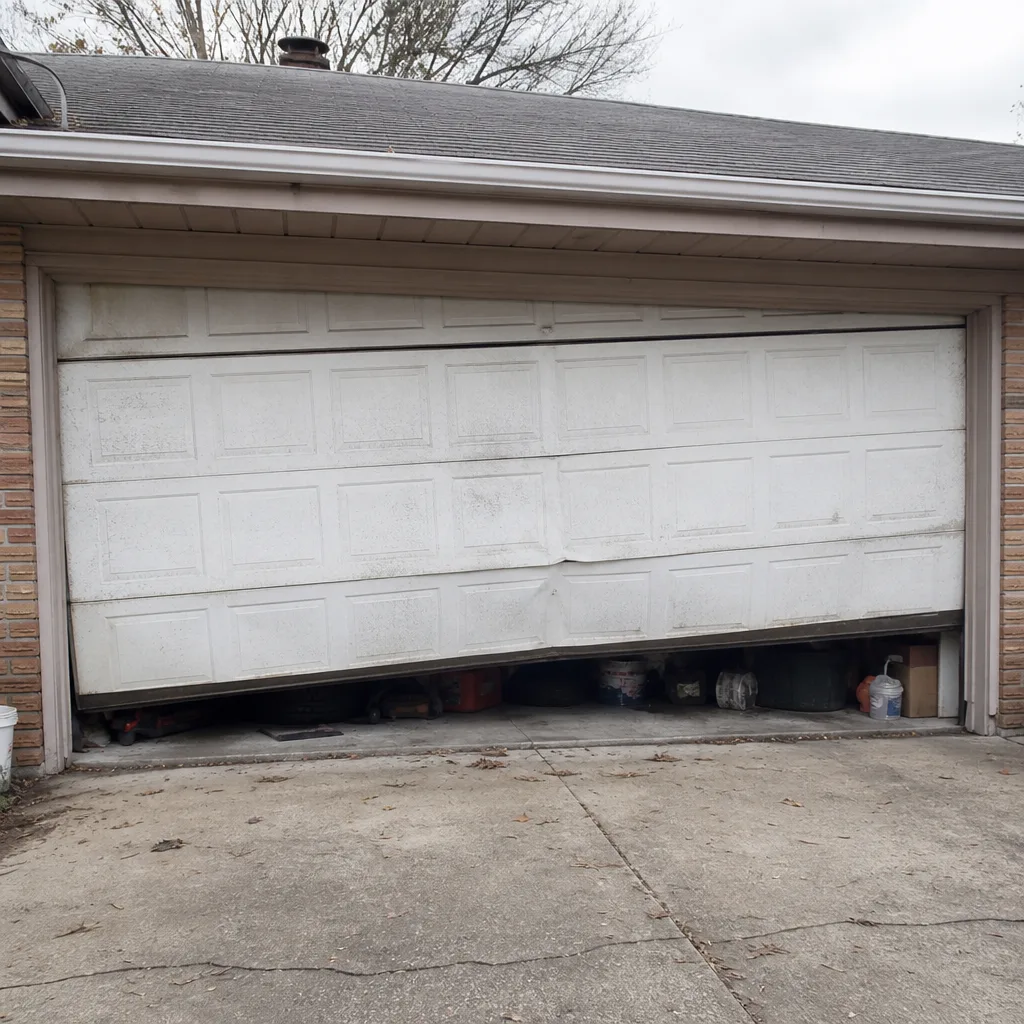 Before
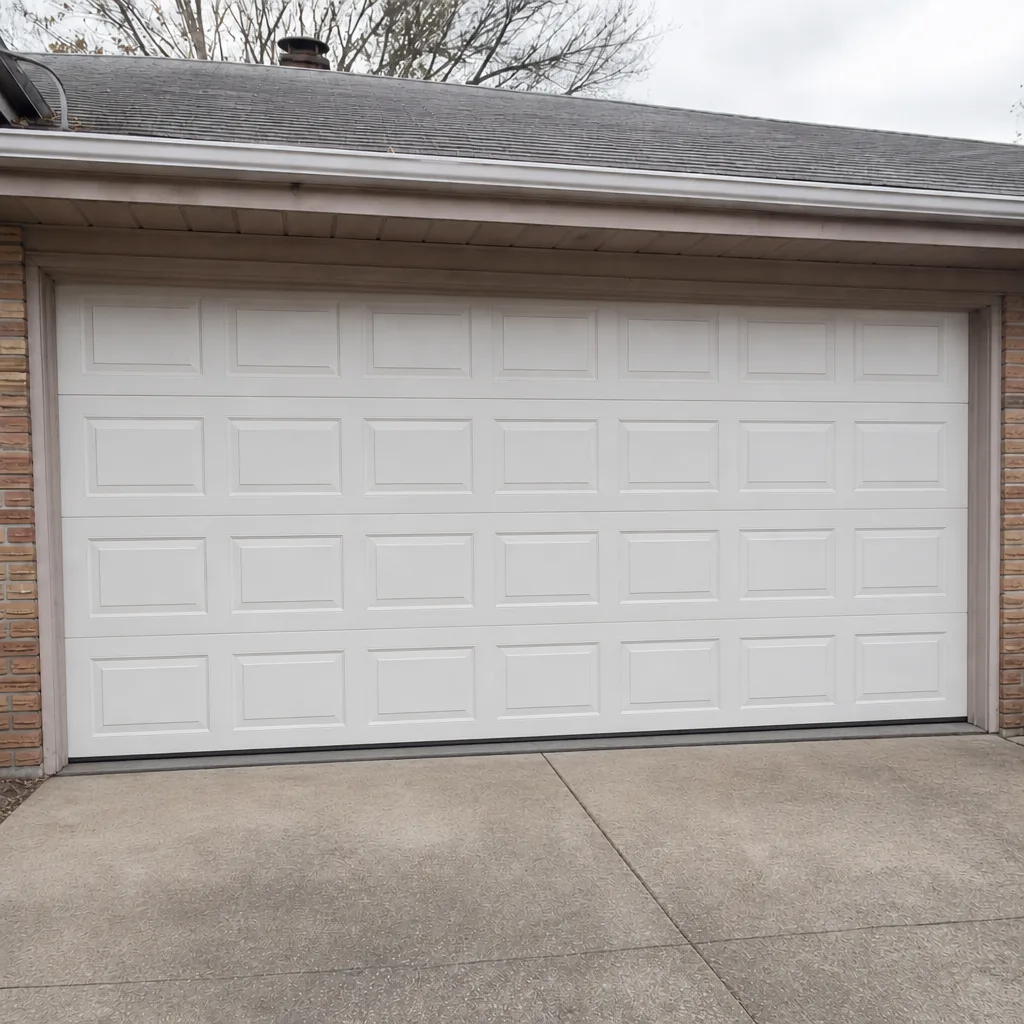 After
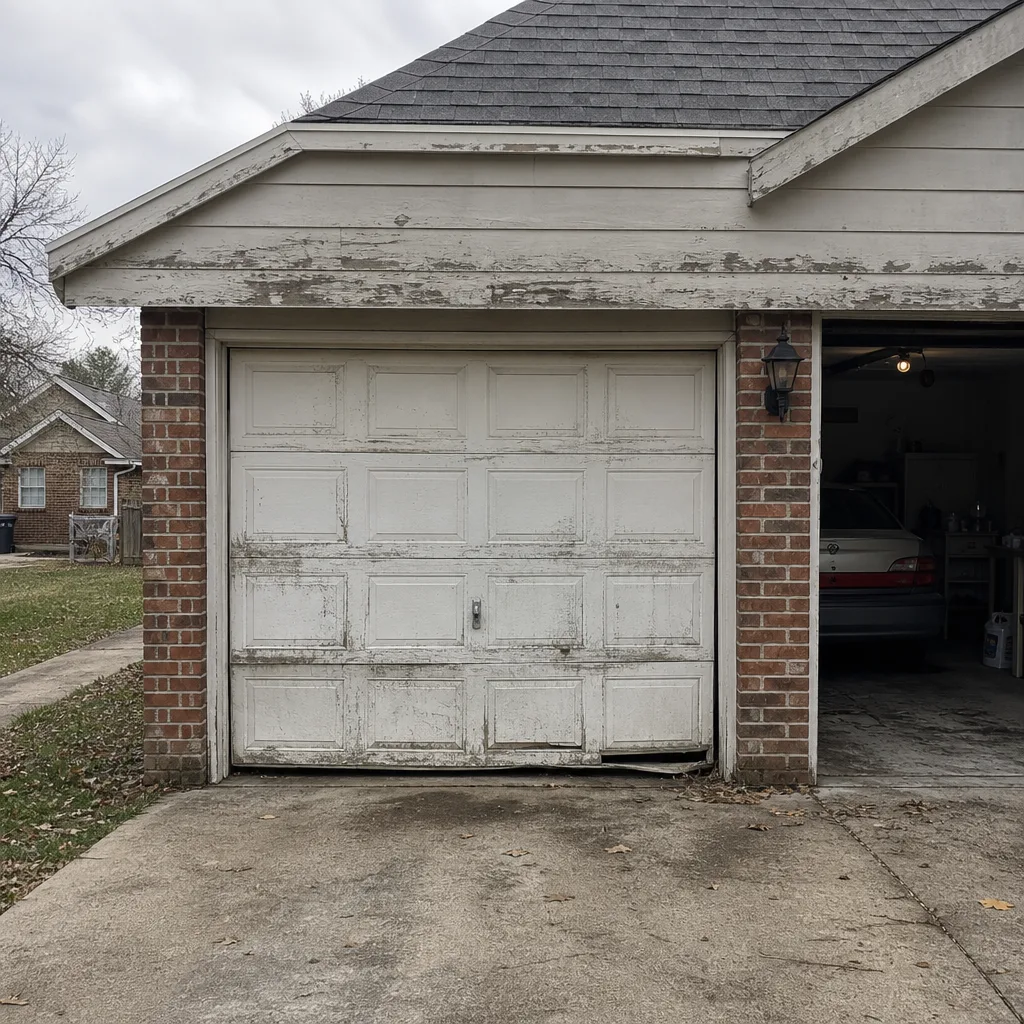 Before
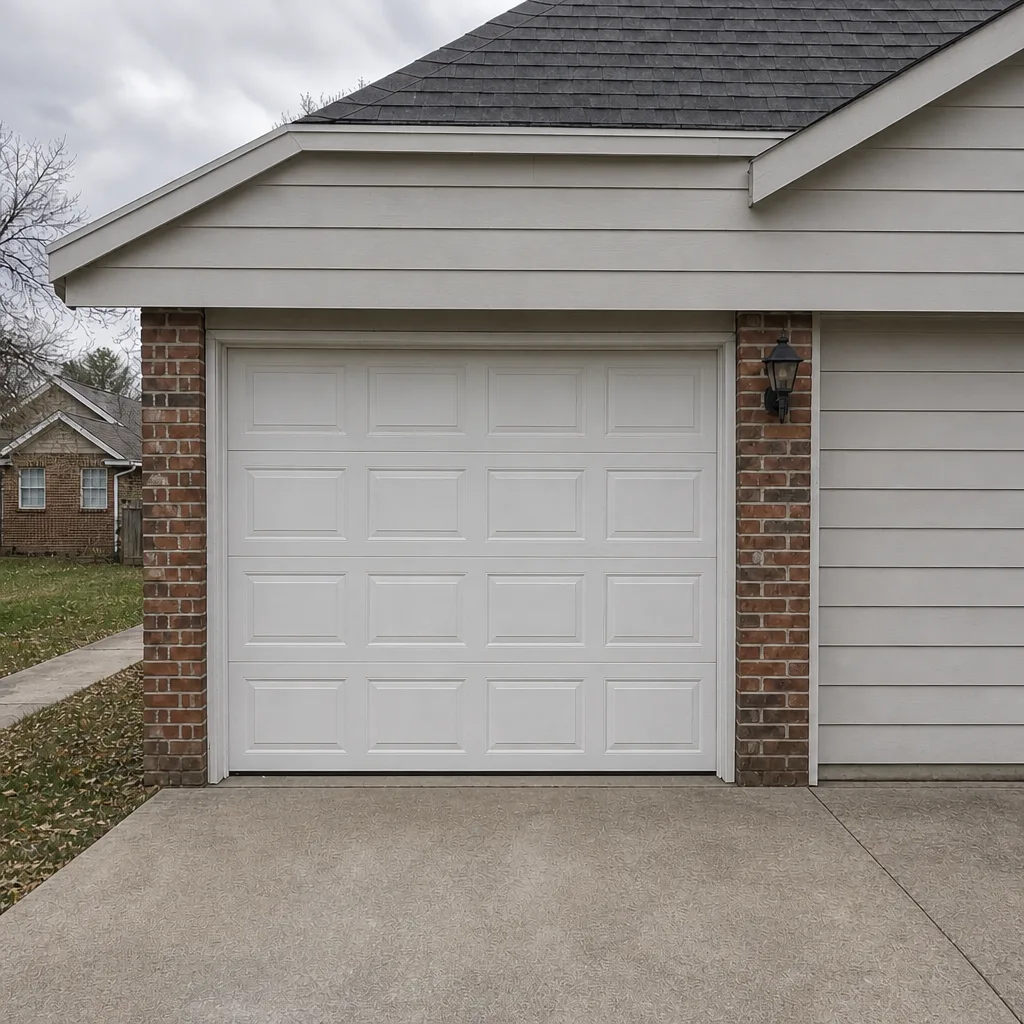 After
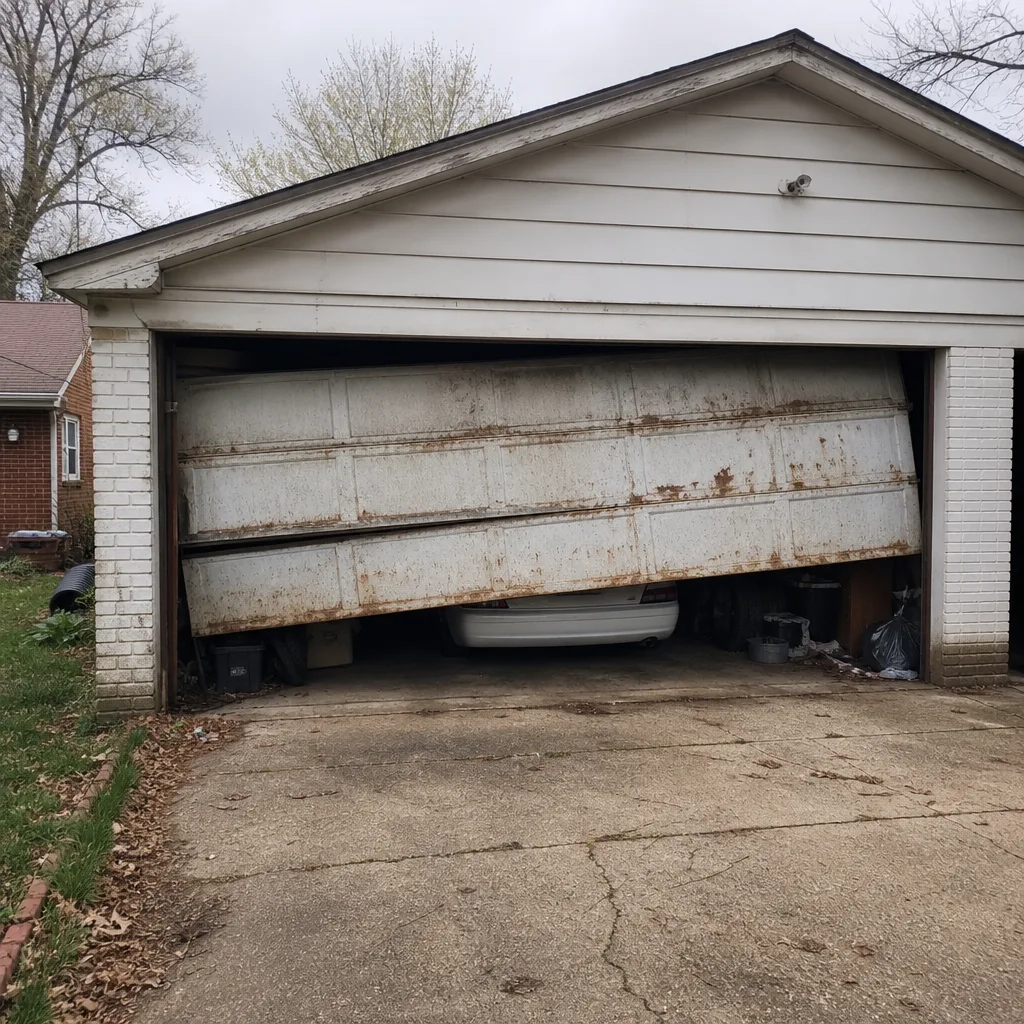 Before
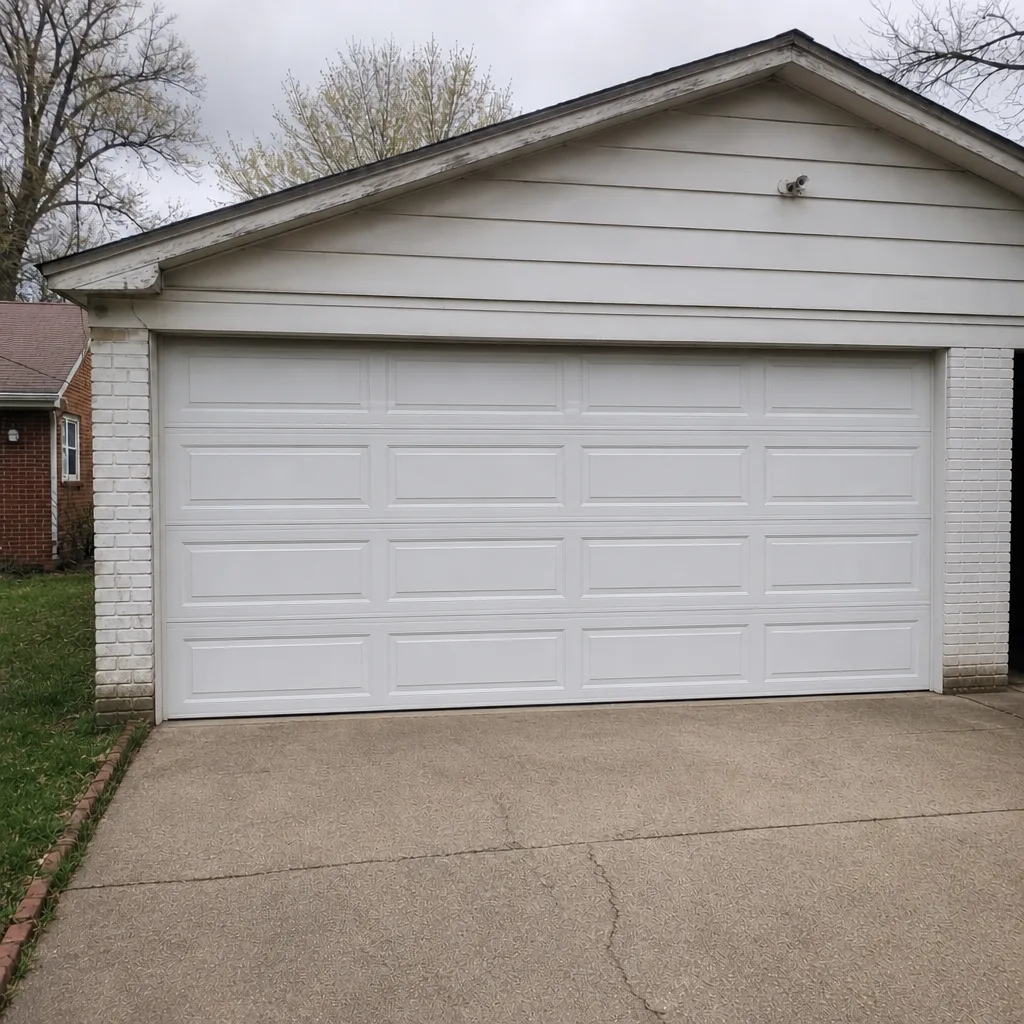 After
When to Call a Professional
Call a professional the moment any task involves springs or cables, or when the door itself won’t open, won’t close, or drops unexpectedly. Call if you hear a loud bang from the garage, if the door is suddenly too heavy to lift, or if a cable looks frayed or off its drum. Call if a track is bent, if a panel is cracked, or if the opener runs but the door doesn’t move. Call if you don’t know the brand of your door or opener and need a part that fits. And call if you’ve tried the safe fixes and the problem got worse. Garage Door Repair Holly Hills offers free estimates in Holly Hills, and we’ll tell you honestly whether the job is one you can handle. Call (855) 550-7571.
Frequently Asked Questions
No, it isn’t. A torsion or extension spring stores the full weight of the door in stored tension, and a single slip with an improvised tool can cause serious injury. Spring replacement is the one garage door task that professionals train specifically to do. Holly Hills homeowners should call a technician for any spring or cable work. For a free estimate, call (855) 550-7571.
You can safely handle weatherstripping, bottom seals, lubrication, roller swaps on a closed door, and photo-eye sensor alignment. Those tasks carry no stored spring tension. Test the door’s reversing safety feature monthly as well. If the door starts to sag or won’t hold position, that’s the signal to call a professional.
A typical spring repair in Holly Hills is quoted as a flat price for one spring, agreed before any work starts. A matched pair usually costs about twice a single-spring figure because both are replaced together. The written estimate sets the final price, so there’s no surprise invoice. Call (855) 550-7571 for a free estimate.
Often, yes. Most brand-name doors and openers assume a certified installation, and non-certified work can void coverage if a claim is made. That’s especially true for openers, where travel-limit and force settings have to be calibrated to the brand and model. A documented professional repair helps preserve coverage. If you’re unsure, call and we’ll check your brand against the unit.
We service Wayne Dalton, LiftMaster, Raynor, Craftsman, Chamberlain, Genie, Clopay, and Amarr. That covers most of the doors and openers installed in Holly Hills homes. If your unit is one of those brands, we know the parts, calibration, and failure modes. Call (855) 550-7571 with the brand and model and we’ll tell you what we can do.
Call us and we’ll book the fastest appointment we can. A stuck door is usually a spring or cable issue, and both are professional jobs. Our technicians have up to 13 years of experience and carry the correct winding bars for both torsion and extension springs. Call (855) 550-7571 and describe what the door is doing.
The Bottom Line
The DIY-vs-professional question isn’t about your skill level. It’s about which tasks leave you any margin for error. Seals, lubrication, sensors, and basic maintenance are homeowner territory and worth doing. Springs, cables, tracks, and full installations are not. The physics doesn’t care how careful you are. For Holly Hills homeowners, the practical rule is this: if the job involves stored tension or the weight of the door, hand it to someone who does it every day and knows your brand. Everyone else can handle the rest. When you need the professional side handled honestly, with a price agreed before the work starts, call (855) 550-7571 for a free estimate.
Written by the team at Garage Door Repair Holly Hills.