Last updated November 20, 2026
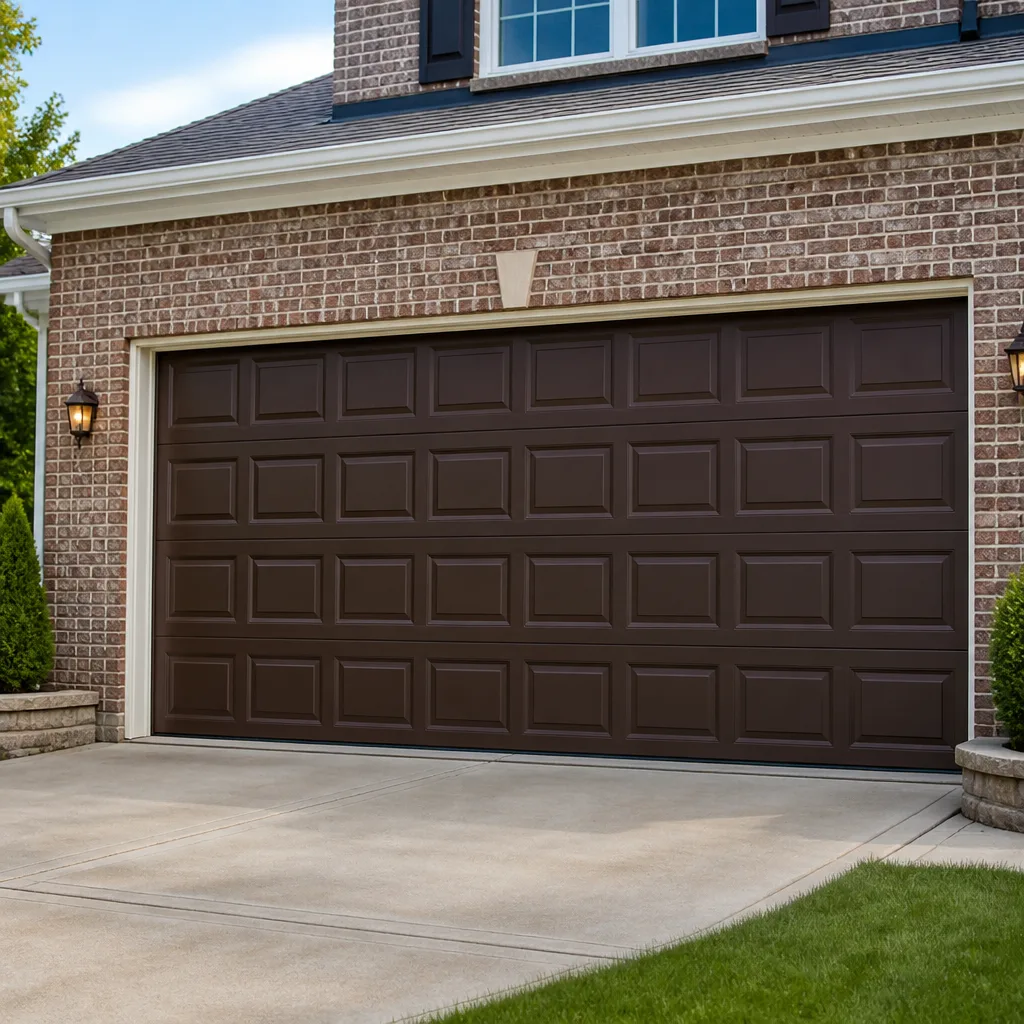 Raised-panel steel
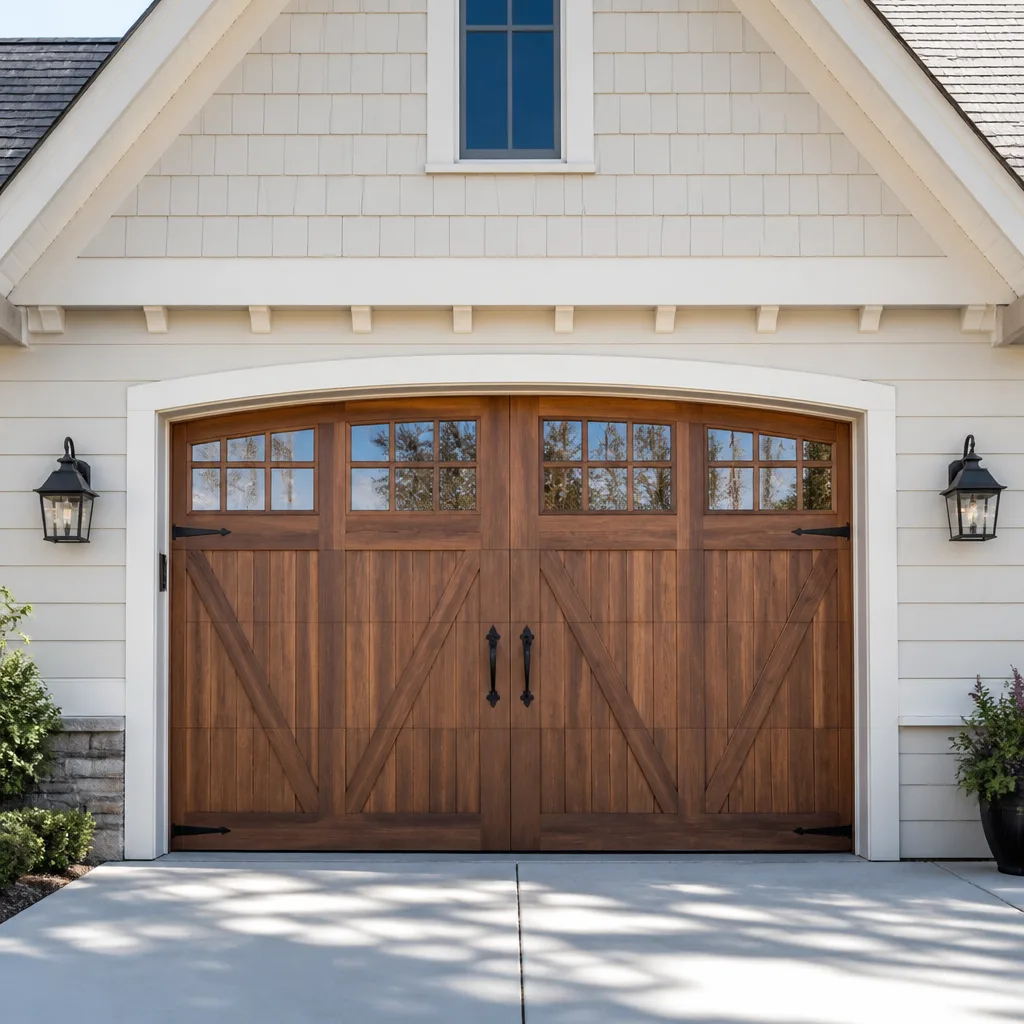 Carriage house
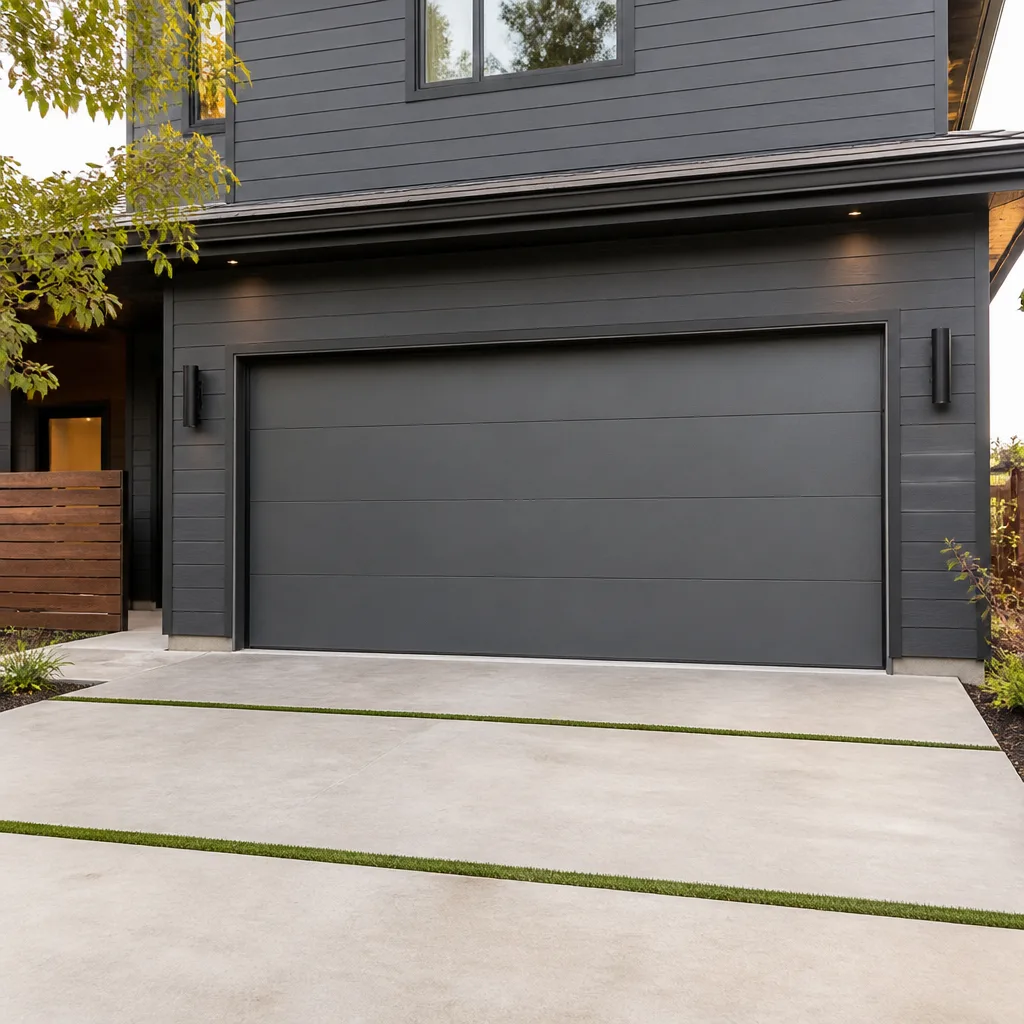 Modern flush
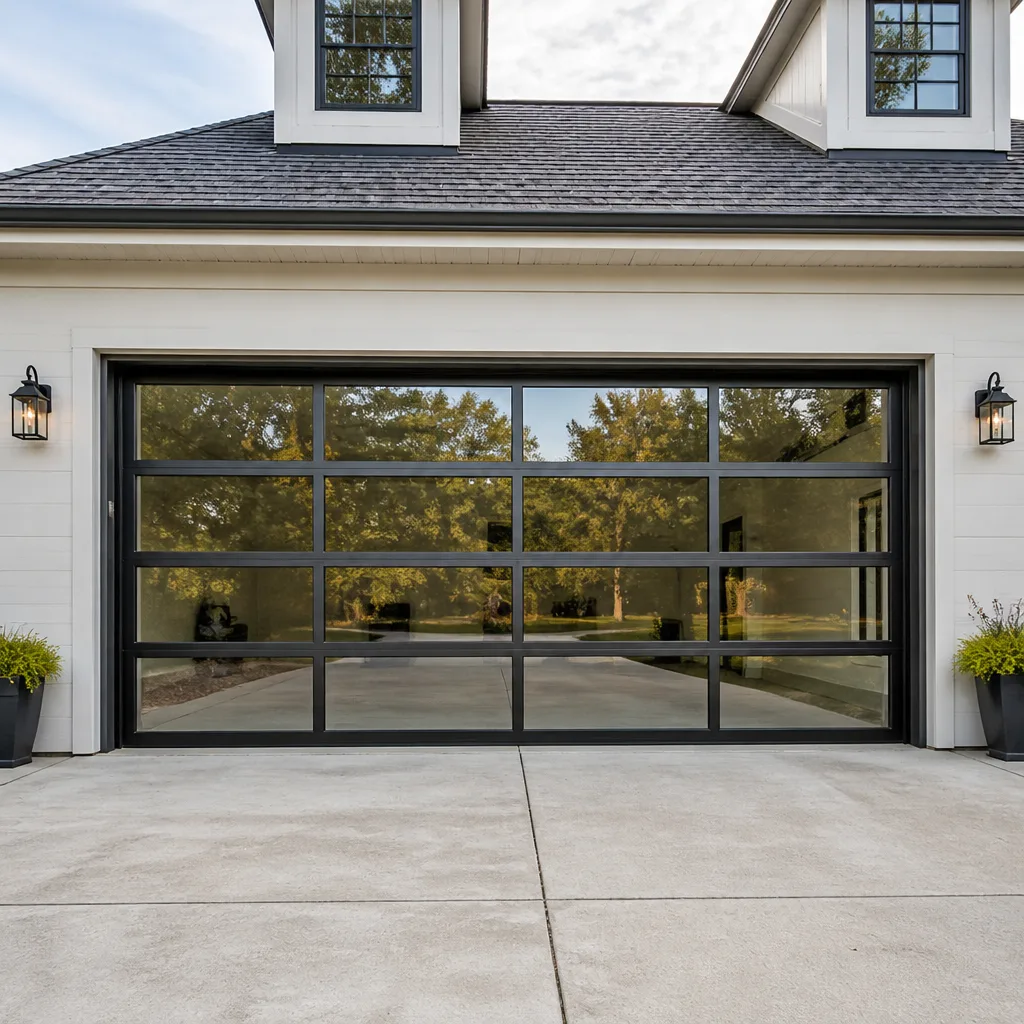 Full-view glass
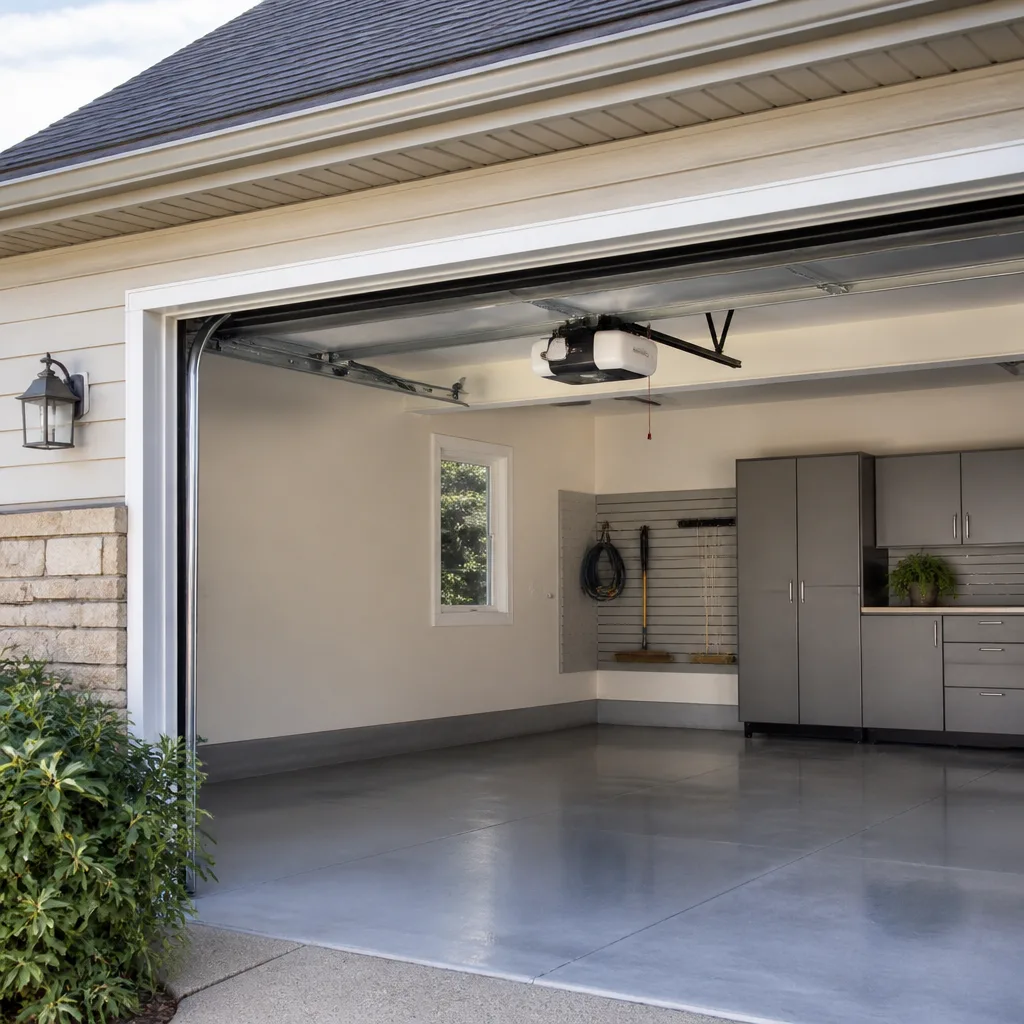 LiftMaster openers
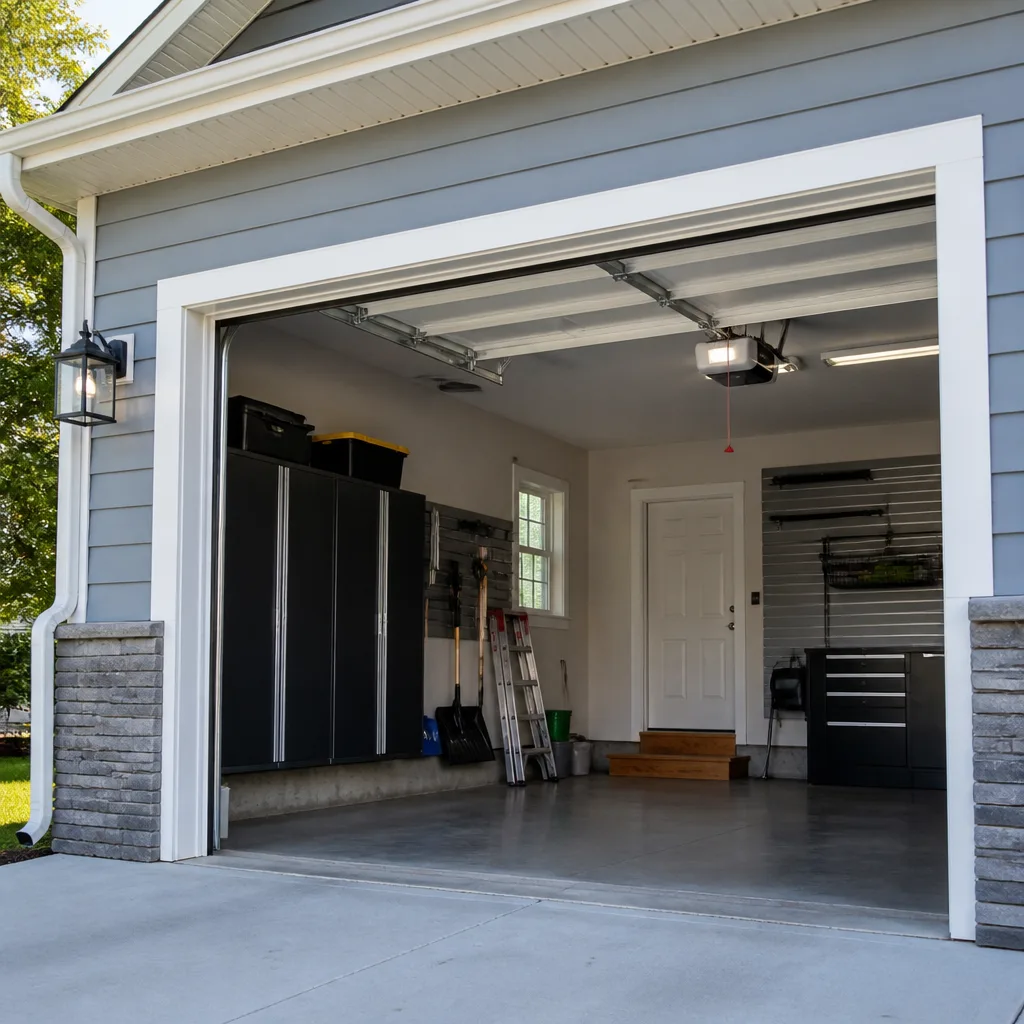 Chamberlain openers
Full 25-point door and opener safety check with every visit - springs, cables, rollers, tracks, and your LiftMaster or Chamberlain opener included
You get a price before we start. It does not change when the pro arrives.
Get your free estimateThe Complete Guide to Garage Doors in Holly Hills
Most “complete guides” to garage doors are written for a made-up homeowner in a made-up climate. Holly Hills doesn’t fit that template. This neighborhood sits in a micro-corridor where summer humidity regularly tops 85% and winter lows drop below 10°F, two extremes that quietly rule out roughly a third of the door and opener combinations sold as “universal.” Add a housing stock built mostly in the mid-century decades, where rough openings and header clearances rarely match today’s standard kits, and you get a set of decisions that generic advice gets wrong. This guide walks through what actually matters here: how your home’s era shapes fit, which insulation ratings are worth paying for, why springs, openers, panels and parts belong to one system, and how to choose between a repair, an opener replacement or a whole new door.
Quick Answer
In Holly Hills, the right garage door decision depends on three things: your home’s mid-century rough opening and header height, the real insulation value you need for a climate that swings from humid summers to sub-10°F winters, and whether the problem is a component (spring, opener, panel) or the whole system. Get those three right and everything else – brand choice, cost, and repair-versus-replace – falls into place. The rest of this guide maps each decision to the local conditions that shape it.
Styles & brands we work with
- Raised-panel steel
- Carriage house
- Modern flush
- Full-view glass
- LiftMaster openers
- Chamberlain openers
Table of Contents
- How Holly Hills’ Mid-Century Housing Stock Changes Door Fit
- Which Insulation Ratings Actually Matter in Holly Hills
- Why Springs, Openers, Panels and Parts Are One System
- Brand Availability and Service Coverage in the Holly Hills Area
- New Door vs. Repair vs. Opener-Only: A Decision Map
- Springs and Other High-Tension Work: What to Leave to a Technician
- Parts Supply: Why Sourcing the Right Component Matters
- A Seasonal Checklist for Holly Hills Homeowners
How Holly Hills’ Mid-Century Housing Stock Changes Door Fit
The single most overlooked factor in garage door replacement is the opening itself. Holly Hills was built up largely in the mid-century decades, and the homes from that era were not framed to today’s standard garage door dimensions. Rough openings vary more than most homeowners expect, and header clearance – the space between the top of the opening and the ceiling structure – is often tighter than what a modern standard door and its hardware assume. When a homeowner orders a “standard size” kit online and it arrives, the fit is frequently the reason the project stalls.
What that means in practice:
- Measure the finished opening, not the old door. The door you’re replacing may itself have been trimmed or modified decades ago. The opening is the truth.
- Check header clearance before choosing an opener. A low-clearance situation may need a different opener mounting or a side-mount design rather than the ceiling-hung unit you assumed.
- Expect modification, not just installation. Mid-century openings often need framing adjustments or custom sizing, which is why a measure-first approach beats an off-the-shelf kit.
- Account for the tracks and springs, not only the panel. A door that fits the opening can still fail if the torsion or extension spring setup doesn’t match its weight.
For Holly Hills homeowners, the practical rule is simple: any new door should be measured on site before it’s ordered, and the measure should include the opening, the header and the spring and track configuration. For a closer look at what a proper install involves, see our page on garage door installation. If you’re dealing with a door that already doesn’t fit right, that’s usually a repair-and-adjust problem first, which is where garage door repair comes in.
Which Insulation Ratings Actually Matter in Holly Hills
Insulation is where garage door marketing gets loudest and least useful. A door’s R-value tells you how well the panel resists heat flow, but the number on the brochure is rarely the number your garage experiences once the door is installed, because the perimeter seals, the gaps around the panels, and the thermal bridging at the frame all cut into the rated value. In a climate like Holly Hills, where the summer can push humidity past 85% and winter lows fall below 10°F, the goal isn’t a headline R-value – it’s a door that doesn’t become a moisture trap in July or a condensing cold surface in January.
Here’s how to think about it:
- Decide what the garage is for. A detached, unheated garage used for storage has different insulation needs than an attached garage that shares a wall with living space. In the attached case, the door is part of your home’s thermal envelope and insulation earns its cost.
- Weigh a fully insulated (sandwich) panel over a pan door. A single-layer steel pan door with no insulation will sweat and transmit cold. A sandwich panel with a continuous core performs far better in a swing climate.
- Look at the seals as part of the system. Bottom weather seals, perimeter stops and panel gaps matter as much as the R-value. A well-sealed lower-R door often outperforms a high-R door with poor sealing.
- Treat inflated specs with suspicion. A very high R-value claims on a thin door should prompt questions about how it was measured and whether the seals match.
For most Holly Hills homes, a properly insulated sandwich-panel door with good weather sealing is the sensible target. The label number matters less than the combination of core, seal and fit – and fit, as the previous section explains, is where mid-century openings complicate things.
Why Springs, Openers, Panels and Parts Are One System
A garage door is not four separate products that happen to share a wall. It’s one mechanical system, and the parts talk to each other. The spring is sized to the door’s weight. The opener is sized to the door’s weight and balance. The tracks and rollers carry the load the springs don’t. The panels are the load. Change one and you change the demands on all the others. This is why splitting the work across several contractors – one for the door, one for the opener, one for the spring – tends to create problems that nobody owns.
The interdependence shows up in everyday situations:
- A new heavier door with the old opener. The opener may strain or fail early because it wasn’t sized for the new weight. The installer should check the opener’s rating against the door before the door goes up.
- A failing spring blamed on the opener. If the door feels heavy or the opener struggles, the spring – not the motor – is often the real culprit. Replacing the opener without fixing the spring shortens the opener’s life.
- A “door problem” that’s really a part problem. Worn rollers, a bent track, or a bad hinge can make a healthy door and opener behave badly. Diagnosis matters before parts are ordered.
Whole-system coverage means one technician can diagnose the actual failure and fix it in the right order. That’s the reasoning behind covering the Garage Door Repair Holly Hills service as one scope rather than a menu of disconnected jobs. When the diagnosis points to the motor, remote or smart-home integration, that’s garage door opener repair territory, and it’s handled with the same parts knowledge that the door itself needs.
Brand Availability and Service Coverage in the Holly Hills Area
Brand coverage is not a marketing detail in Holly Hills – it’s a practical one. A door built in the mid-century decades might carry any of a handful of nameplates, and the opener bolted to your ceiling could be from a different manufacturer entirely. If the technician who shows up only knows one brand, your odds of a clean repair drop. The better answer is a service that works across the brands actually installed in residential homes.
On the door side, we work with Clopay, Amarr, Wayne Dalton and Raynor. On the opener and drive side, we handle LiftMaster, Chamberlain, Genie and Craftsman. Between those systems, nearly any door or opener a Holly Hills homeowner already owns falls within our coverage – which matters when you’re diagnosing a mixed setup.
Part availability is the companion question. A brand name on the door doesn’t help if the replacement component is weeks out. Knowing which manufacturers have dependable parts supply locally is part of choosing a service, and it’s a question worth asking before work begins. We keep parts as part of the scope so a repair doesn’t stall for a component that should have been on the shelf.
New Door vs. Repair vs. Opener-Only: A Decision Map
This is the question most Holly Hills homeowners actually arrive with: should I repair, replace the opener, or get a new door? The answer depends on what’s failing and the age of the system, not on a single number. Below is a decision map to work through in order.
- Is the panel or frame damaged beyond repair? Dents, rust-through, cracked panels or a bent track that won’t true up usually point to replacement rather than repair. A single damaged panel on a modern sectional door can sometimes be replaced on its own – check before assuming the whole door is gone.
- Is the door structurally sound but the opener failing? Motor issues, remotes that won’t pair, or smart-home integration problems on a solid door are opener-only replacement territory. The door stays; the drive system is swapped.
- Are the springs or balance the problem? A door that’s hard to lift by hand, slams down, or hangs halfway is usually a spring or balance issue. That’s repair work, and it’s safety-critical – not a candidate for a new door unless the panels are also failing.
- Is the door old, uninsulated, and letting the climate in? If the door is a single-layer pan door that sweats in summer and frosts in winter, a new insulated door is the better path over patching an underperformer.
- Does the existing opener match the existing door? If you’re replacing the door, confirm the opener can handle the new weight before committing. A door replacement that outpaces the opener is a common way projects go over budget.
Cost thresholds aren’t universal here, because the two wildcards – a mid-century opening that needs modification and a possible opener replacement to match a new door – vary house to house. The honest way to get a number is a measure and a written price, not a phone estimate. For the repair path, our garage door repair team can tell you in the same visit whether a component fix will do the job.
Springs and Other High-Tension Work: What to Leave to a Technician
Garage door springs are the most dangerous component in the whole system, and they’re the one thing a homeowner should never touch. A torsion spring or extension spring stores an enormous amount of energy – enough to cause serious injury if it releases unexpectedly or is handled without the right tools and restraint. This is where the trade separates specialists from generalists. Spring repair is not a “swap the part” job; it’s a high-tension procedure that demands the correct winding bars, the right knowledge of the spring’s tension, and a clear understanding of the door’s weight and balance.
What to watch for, without touching anything:
- A loud bang from the garage. That’s often a spring breaking. Stop using the door and call a technician.
- A door that feels extremely heavy or won’t stay up. A broken or weakened spring is the usual cause. Operating the door with a failed spring strains the opener and the door.
- A visible gap in the spring coil over the door or along the side tracks. Don’t try to operate it to “see if it works.”
- Visible cable fraying or a slack cable on extension-spring setups. Cables are under tension too.
The safe move on any of these is a call, not a toolbox. Spring work done wrong can release stored energy unpredictably, and there’s no DIY shortcut worth the risk. Our spring and high-tension work is handled by technicians who understand the danger and the procedure.
Parts Supply: Why Sourcing the Right Component Matters
Not every garage door problem needs a full service call. Some homeowners are capable of a straightforward part swap – a roller, a hinge, a bottom seal – and just need the right component. That’s why parts supply is its own service, not just a byproduct of the repair work. The catch is that the wrong part wastes both the trip and the door’s remaining life, so matching the component to the actual door and opener matters.
A few things that make a real difference when sourcing parts in Holly Hills:
- Match the part to the door’s weight and spring type. A roller or hinge that’s undersized for a heavier door wears out fast and can load the tracks.
- Check the opener’s make and model before buying remotes or sensors. A remote that won’t pair is a common and avoidable frustration when the brand and model aren’t confirmed first.
- Confirm the door’s era. Mid-century doors often use hardware dimensions that newer off-the-shelf parts don’t match, so the model matters more than the general “type.”
When you’re not sure whether a part will fit, that’s the point to ask rather than guess. And when the diagnosis turns out to be more than a part swap, our garage door opener repair service and door repair team can pick it up from there – the point of covering parts and labor together is that no one is left holding a component that doesn’t solve the problem.
A Seasonal Checklist for Holly Hills Homeowners
The Holly Hills climate is hard on garage doors in a specific, predictable way. Summer humidity swells wood components and stresses seals; winter cold contracts metal and makes brittle parts more likely to crack. A short seasonal check catches most of it before it becomes a repair.
- Spring (humidity ramp-up): Check the bottom weather seal for cracks and the panel gaps for daylight. Replace dried or torn seals before the humid season drives moisture in.
- Summer (peak humidity): Listen for new noises on open and close. Humidity can make wood doors and frames bind, and a door that starts to rub is a door that’s straining the opener.
- Fall (before the cold sets in): Test the door’s balance by hand – if it’s heavy or won’t hold, the springs need attention before winter. Check the opener’s reversing safety feature with a small obstruction test.
- Winter (sub-10°F lows): Watch for a door that gets stiff or slow. Cold makes metal and plastic components brittle; a sluggish door can be a sign a part is about to fail.
None of these steps involve touching the springs or the opener’s internal wiring. They’re about catching the visible, safe-to-check signals early. When something fails the check, that’s the moment to call rather than push further.
Common Mistakes to Avoid
- Ordering a standard door kit for a mid-century opening. Rough openings and header clearances in Holly Hills homes rarely match today’s off-the-shelf dimensions, so a “standard” kit often won’t fit without modification. Measure first, order second.
- Buying a new opener when the spring is the real problem. A heavy or struggling door usually has a failing spring, and replacing the opener without fixing the spring just shortens the new opener’s life. Diagnose before buying.
- Choosing a door by R-value alone. The headline number means little without good seals and a proper fit, and it can be inflated by marketing. Weigh the whole system, not the label.
- Touching the springs. This is the mistake that can cause serious injury. Springs store enormous energy, and a failed or weakened spring should be handled by a technician with the right tools and procedure.
- Splitting the job across contractors. A door installer, an opener installer and a spring tech who don’t talk to each other leave no one responsible for the system as a whole. Cover the work under one scope.
- Ignoring a struggling door through the winter. Cold makes brittle parts fail, and a door that’s slow or stiff in January is often a part about to give out. Catch it before it does.
- Buying a part that “looks right” without confirming the model. Holly Hills doors span several eras and brands, and a component that fits on paper may not fit in practice. Confirm before you buy.
See the difference
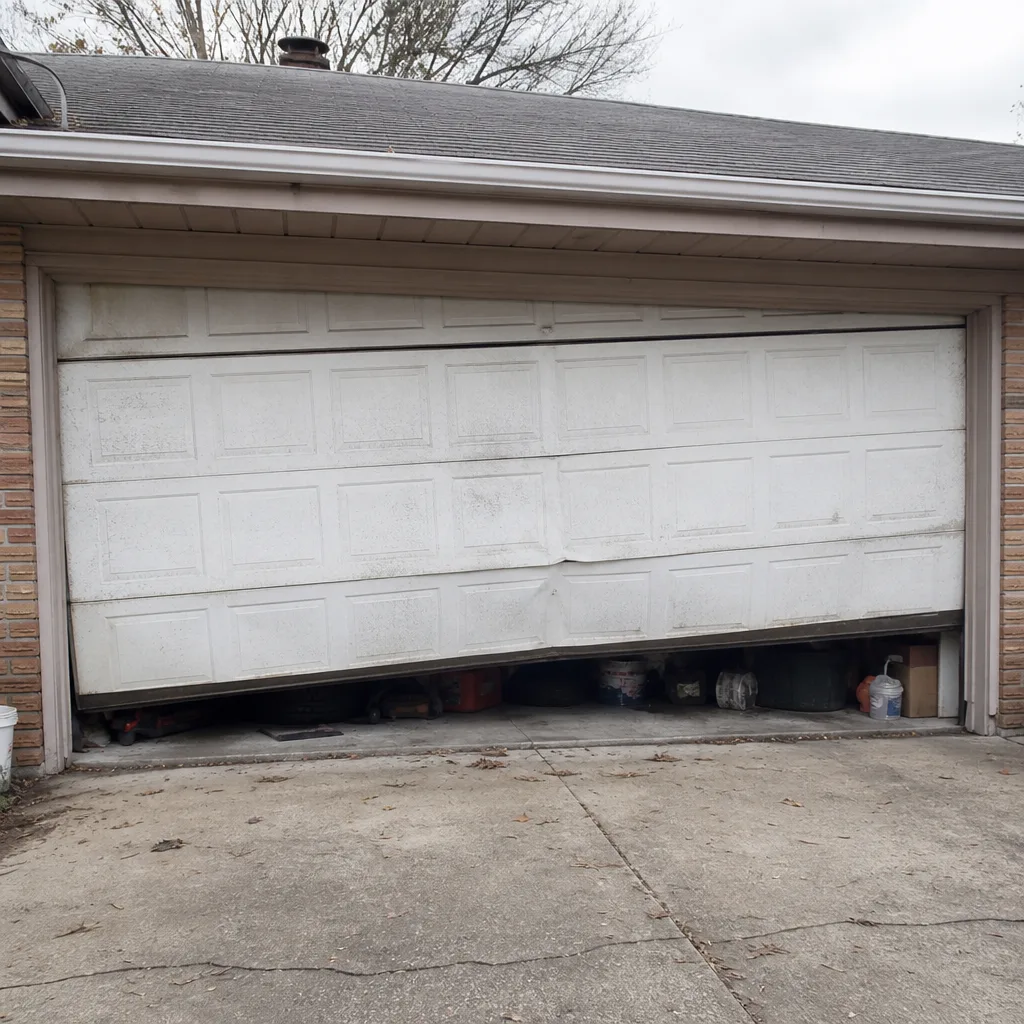 Before
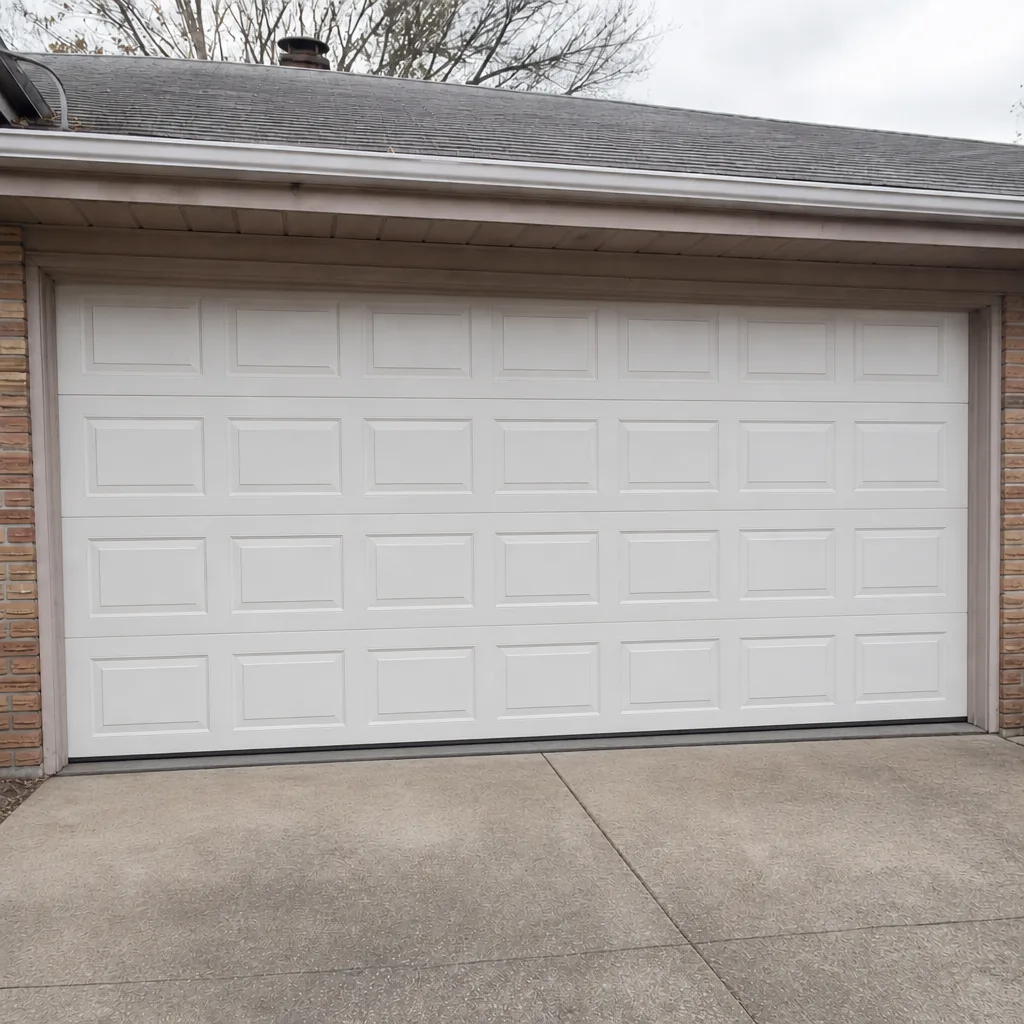 After
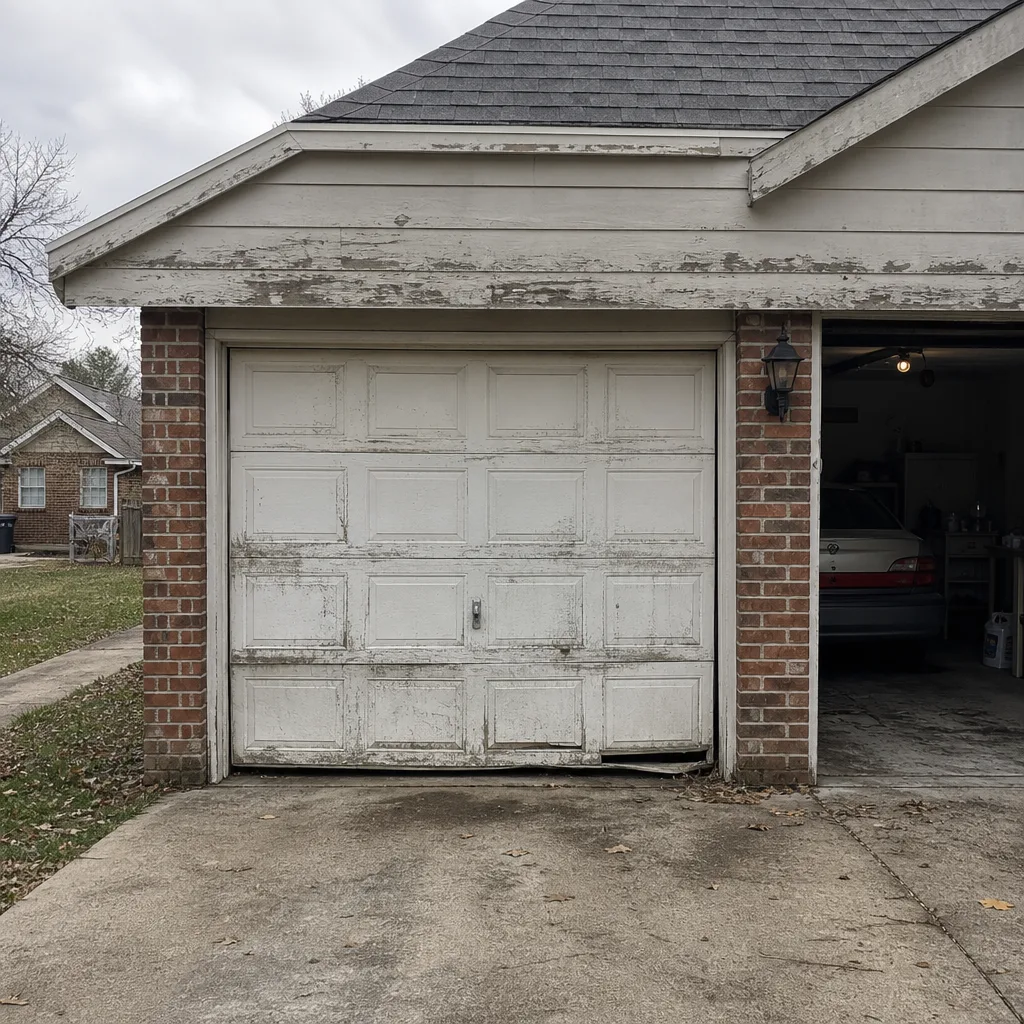 Before
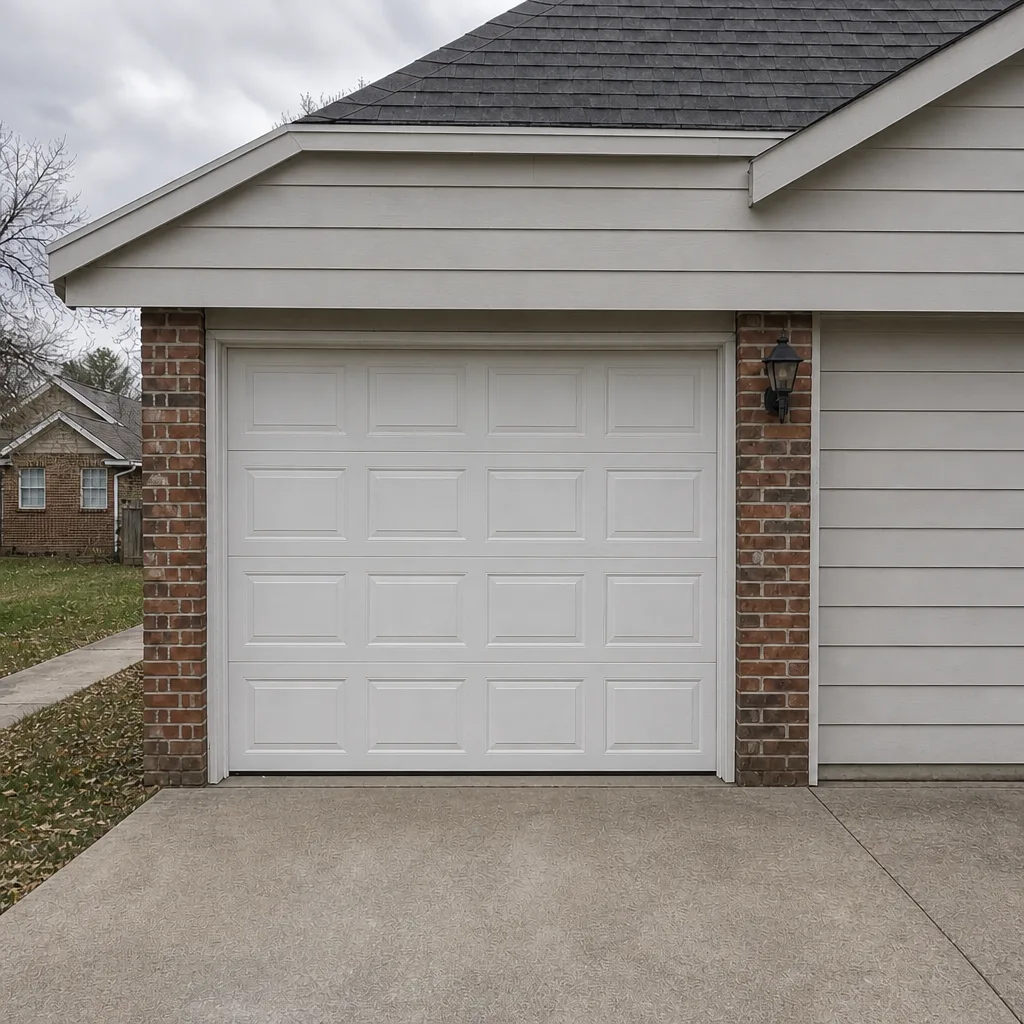 After
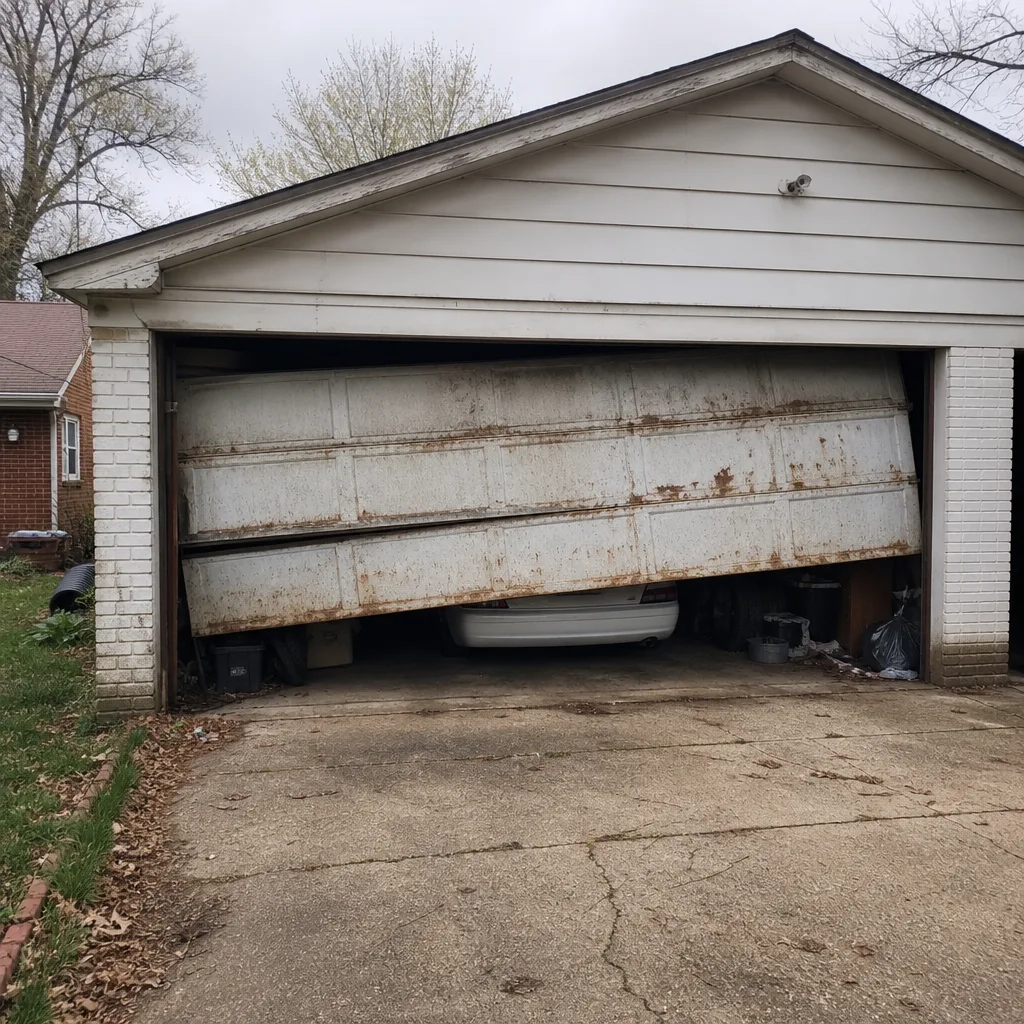 Before
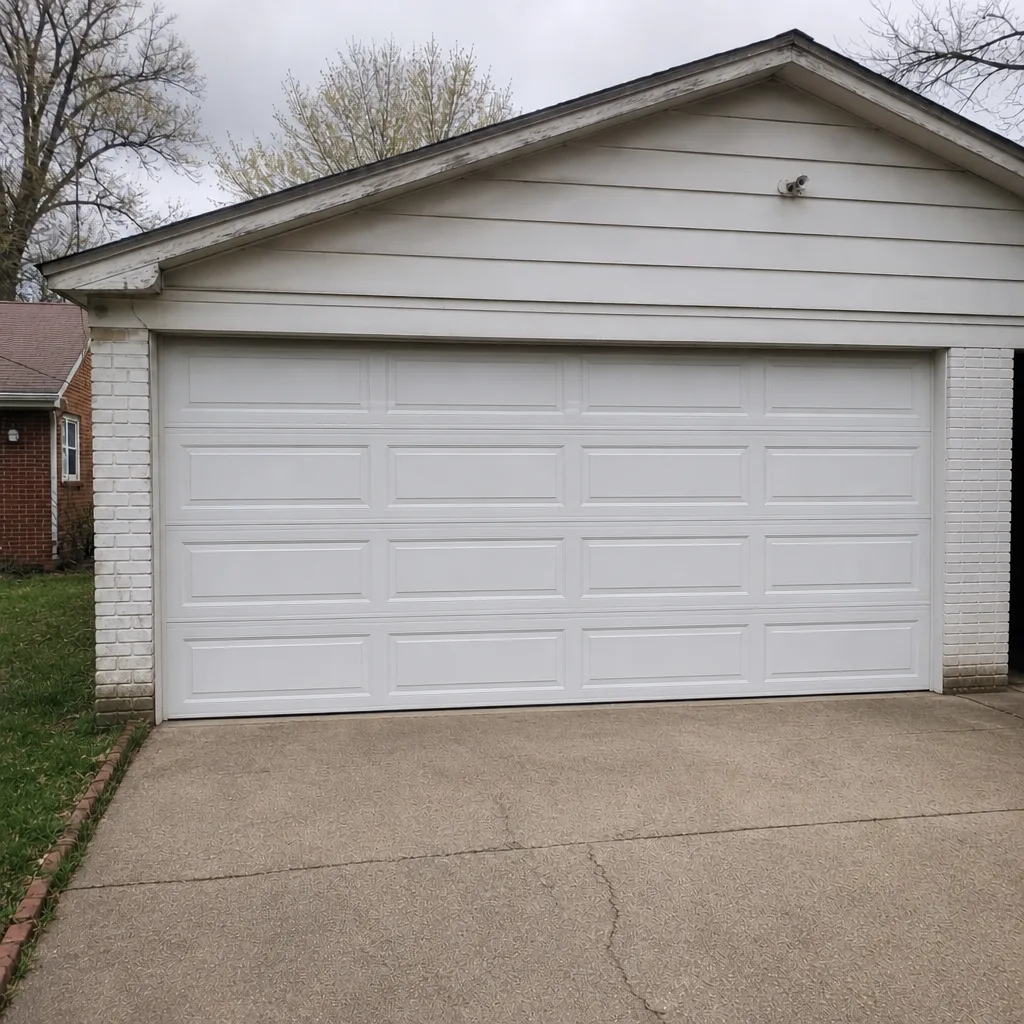 After
When to Call a Professional
Some garage door problems are safe to handle – a torn bottom seal, a remote that needs re-pairing, a squeaky roller. Others are not. Call a professional when a spring breaks or a door suddenly feels very heavy, when a door won’t open or close evenly, when the opener strains or won’t reverse on the safety test, when a track is bent or a cable is frayed, or when you’re planning a new door on a mid-century opening that needs a proper measure. Any spring or high-tension work is a call, full stop. Garage Door Repair Holly Hills offers free estimates in Holly Hills – call (855) 550-7571. Our technicians have up to 13 years of experience, and the written estimate sets the final price.
Frequently Asked Questions
You need a repair if the panels and frame are structurally sound and the problem is a component – a spring, an opener, a track or a part. You need a new door if the panels are rusted through, cracked or badly dented, or if it’s an old uninsulated door that’s letting the Holly Hills climate in. A measure and a written estimate will tell you which path makes sense.
Choose a fully insulated sandwich panel with good perimeter and bottom seals rather than chasing a headline R-value. In a climate with 85%+ summer humidity and sub-10°F winter lows, the fit and sealing matter as much as the core’s R-value. A well-sealed lower-R door often beats a high-R door with poor sealing.
Not always. Brand coverage varies, and a technician who knows only one brand may struggle with a different door or opener. We work across Clopay, Amarr, Wayne Dalton, Raynor, LiftMaster, Chamberlain, Genie and Craftsman, which covers the brands most commonly installed in Holly Hills homes.
No. Garage door springs are under extreme tension, and a spring release can cause serious injury. This is the one job to leave to a technician with the right tools, the right tension-setting knowledge and a clear read on the door’s weight. Don’t test a spring that looks wrong – call.
Holly Hills’ housing stock is largely mid-century, and those homes weren’t framed to today’s standard door dimensions. Rough openings and header clearances vary, so a “standard” kit often needs modification or custom sizing. Measure the finished opening on site before ordering.
Not necessarily, but check the match. If the new door is heavier, the old opener may not be rated for it. A door replacement that outpaces the opener is a common budget surprise, so confirm the opener’s rating against the new door’s weight before committing.
The Bottom Line
Holly Hills isn’t an average market, so average garage door advice doesn’t serve it. The housing era shapes fit, the climate shapes insulation and product choice, and the mechanical system ties the door, springs, opener and parts together. Get those right and the decision between repair, opener replacement and a new door becomes clear. Measure first, confirm the brand and model, and leave the springs to a technician. Brought to you by Garage Door Repair Holly Hills – call (855) 550-7571 for a free estimate.
Written by the team at Garage Door Repair Holly Hills.