Last updated November 20, 2026
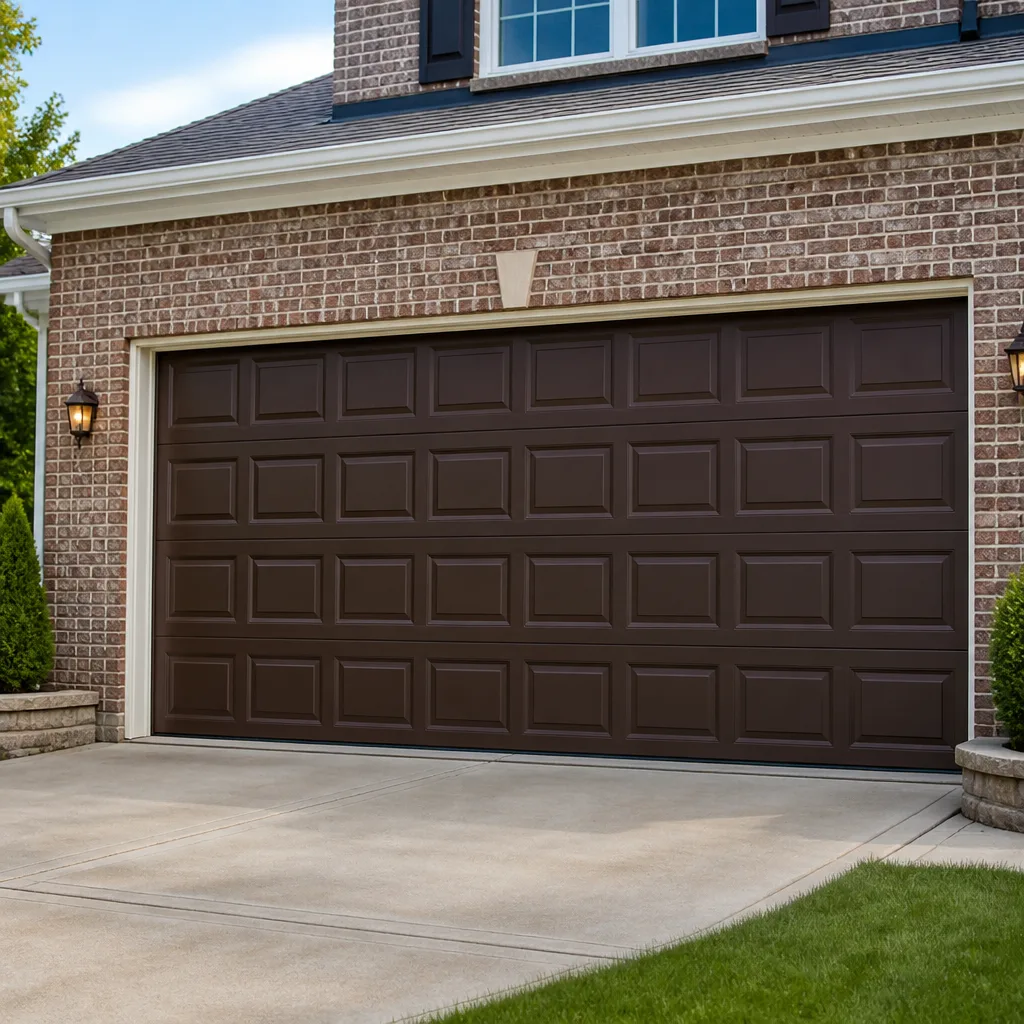 Raised-panel steel
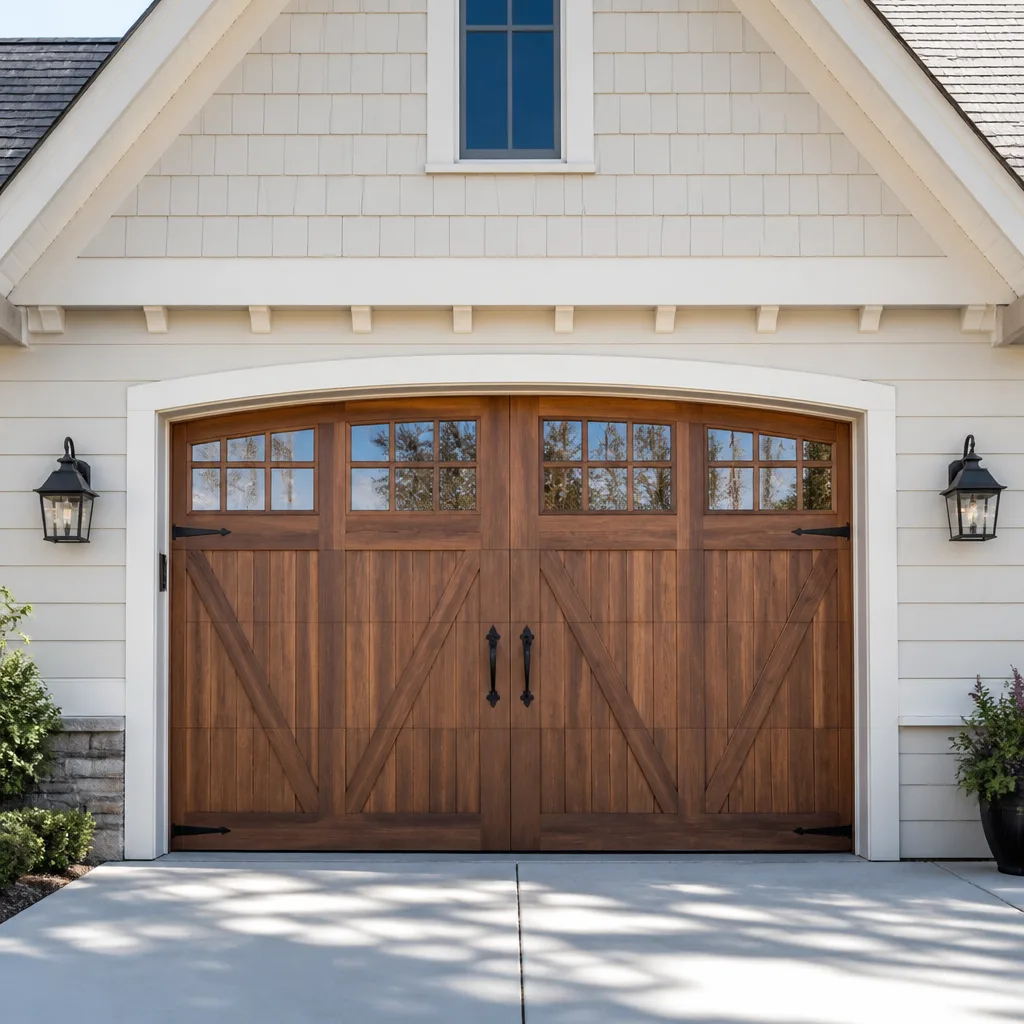 Carriage house
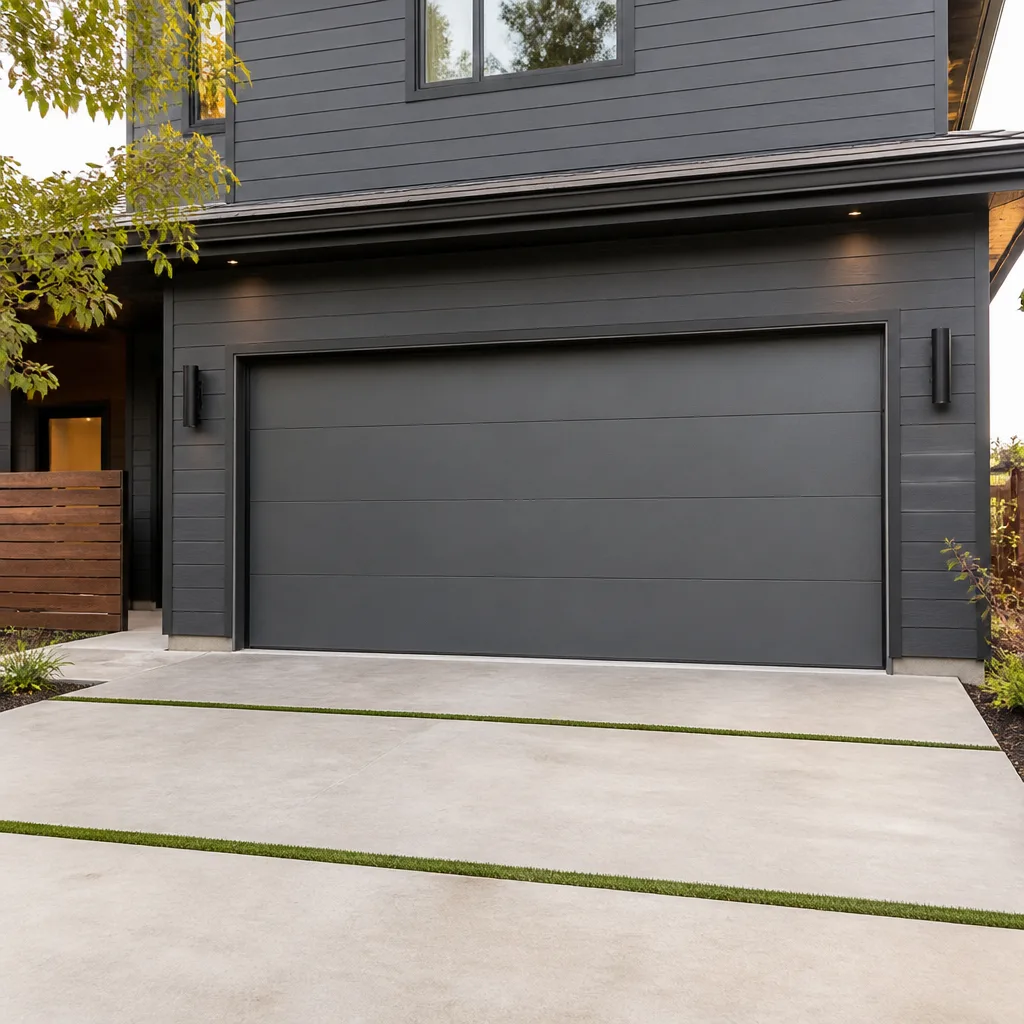 Modern flush
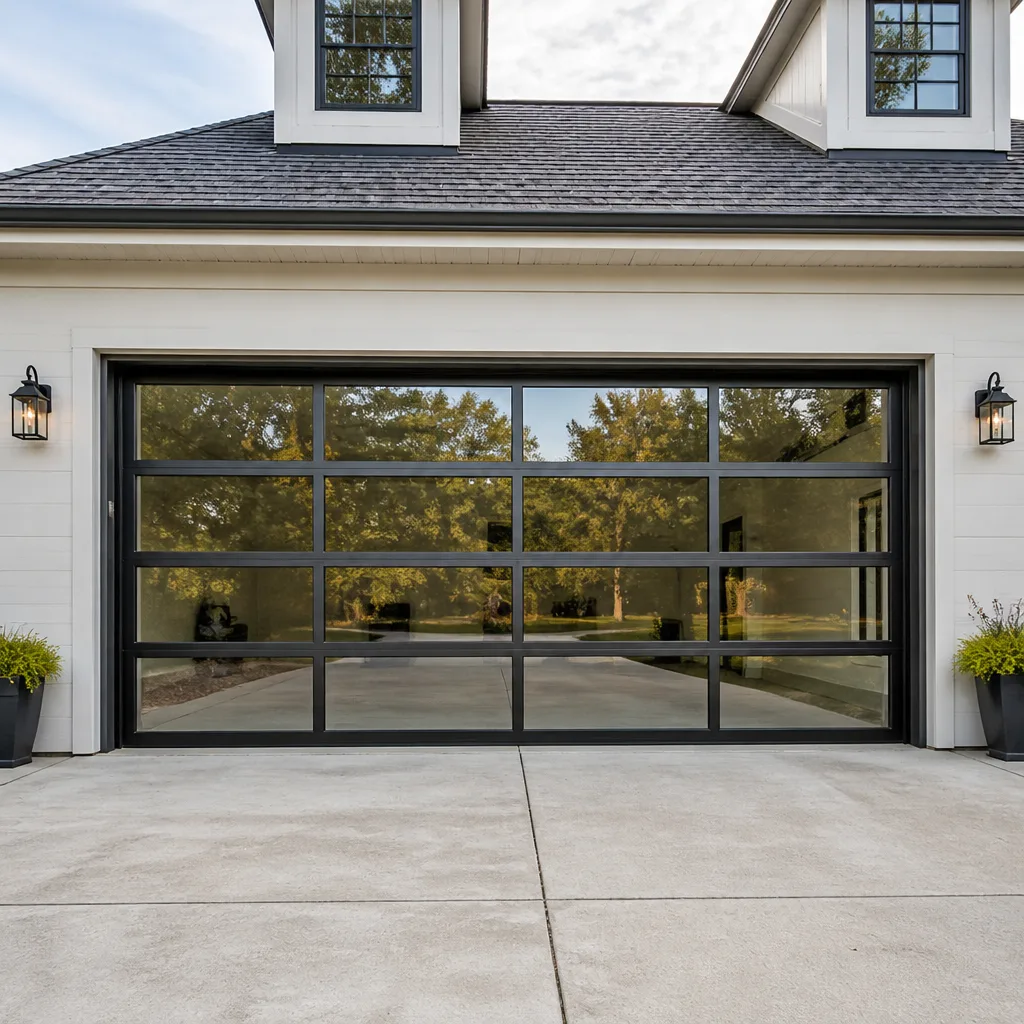 Full-view glass
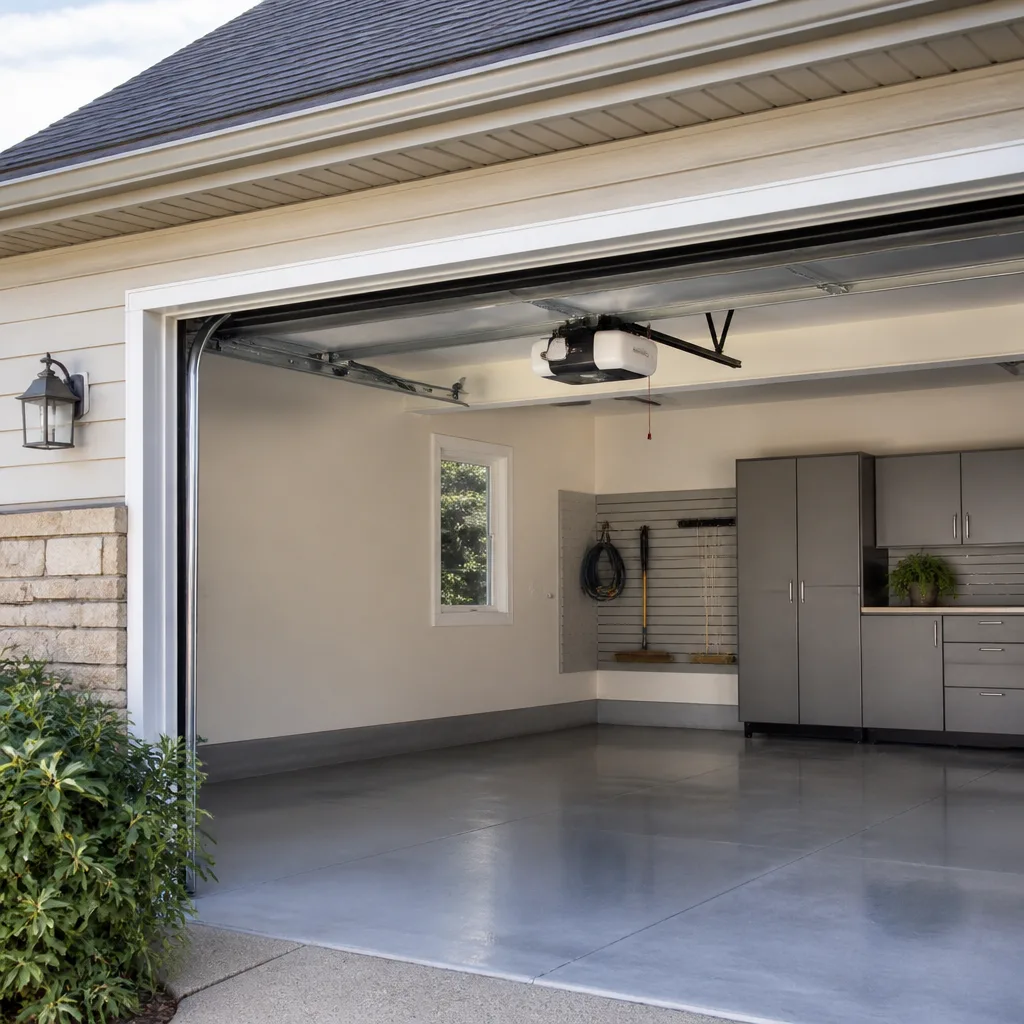 LiftMaster openers
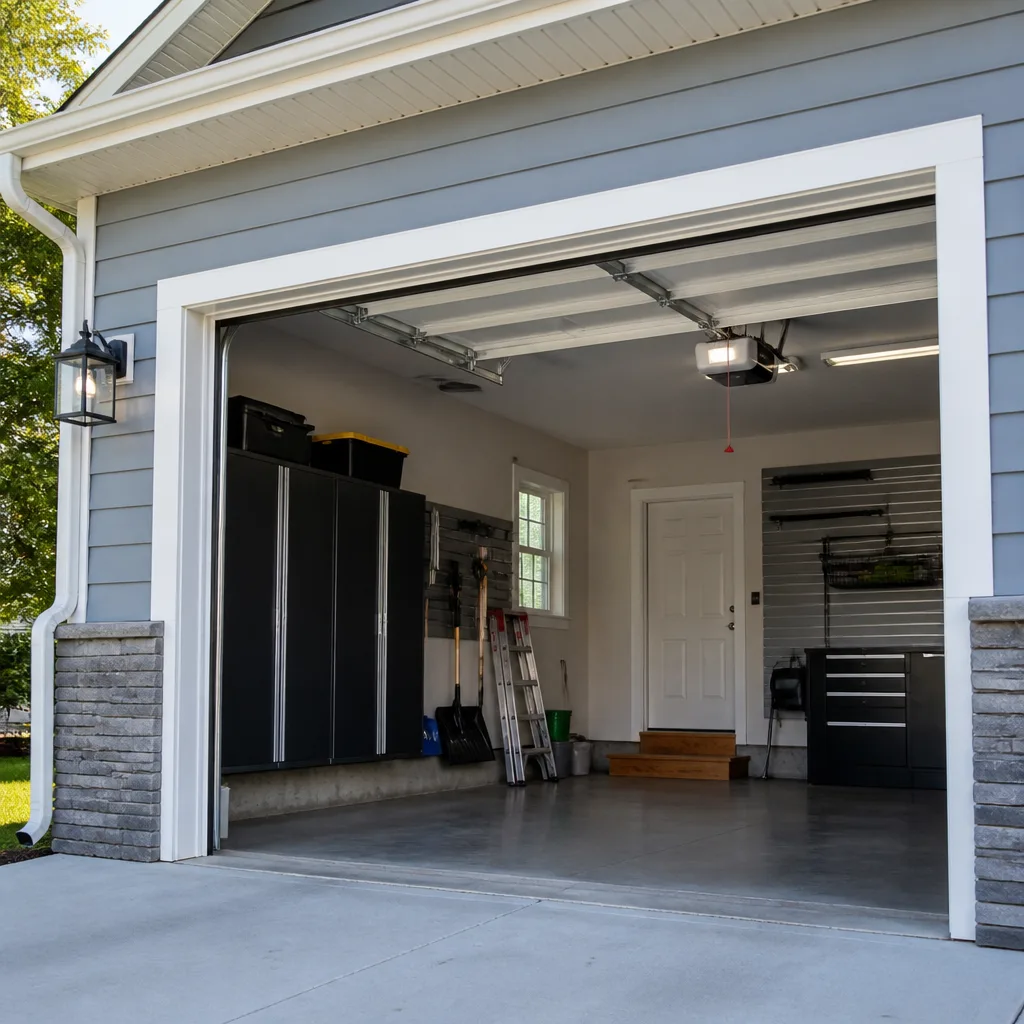 Chamberlain openers
Full 25-point door and opener safety check with every visit - springs, cables, rollers, tracks, and your LiftMaster or Chamberlain opener included
You get a price before we start. It does not change when the pro arrives.
Get your free estimateGarage Door Warning Signs: A Holly Hills Homeowner’s Reference Guide
Most garage door failures are not sudden. A cable rarely snaps without first announcing itself, and a spring almost never breaks without leaving physical evidence behind for weeks beforehand. The trouble is that garage doors live at the edge of our attention. We press a button, the door moves, we drive away. Nobody watches the drum as it winds, and nobody listens closely to the door on the way down. In our experience, the homeowners who end up calling in a panic are usually the ones who had two to four weeks of clear warning and didn’t know what they were looking at. This guide is built to change that for Holly Hills homeowners: what the sounds mean, what the movement patterns reveal, and which visual cues on the springs tell you a failure is close.
Quick Answer
The most reliable garage door warning signs in Holly Hills are a grinding or popping sound during travel, a door that sags on one side or descends unevenly, visible rust or a widening gap at the torsion spring coils, and an opener that hesitates, reverses without obstruction, or runs without moving the door. Any of these means the system is telling you something is wearing out. A door that does not move at all, a snapped cable, or a spring with a visible separation means stop using it and call a professional.
Styles & brands we work with
- Raised-panel steel
- Carriage house
- Modern flush
- Full-view glass
- LiftMaster openers
- Chamberlain openers
Table of Contents
- What the Sounds Tell You: Grinding, Squealing, Popping, and Banging
- Movement Patterns That Reveal Mechanical Problems
- The Spring Inspection: Rust, Coil Gaps, and the Separation Sign
- Reading Your Opener’s Behavior as a Diagnostic Tool
- The Visual Walk-Around: What to Check Every Month
- The Three Signs That Mean Stop Using the Door Immediately
- Holly Hills Seasonal Pressures on Garage Door Hardware
- Building a Repair Timeline: Warning vs. Watch vs. Wait
What the Sounds Tell You: Grinding, Squealing, Popping, and Banging
Your ears are the fastest diagnostic tool you own. A garage door in good condition produces a low, steady hum from the opener and a soft roll from the panels. When that changes, the character of the sound points at a specific component. In Holly Hills, where a lot of homes have attached garages that share a wall with the living space, homeowners often hear the change earlier than they realize. The sound isn’t loud enough to investigate, so it gets filed away as normal. Then it gets louder. These are the four most common patterns and what each one usually means:
- Grinding on descent. Metal-on-metal grinding usually traces to the rollers or the hinges. A worn roller with a flattened bearing won’t spin cleanly in its track and starts dragging. Grinding that appears only in one section of travel can also indicate a track with a slight bend or debris lodged against the jamb.
- Squealing or a high-pitched whine. Dry hinges, dry rollers, and an under-lubricated torsion tube are the usual culprits. This is one of the few warning signs that is genuinely a maintenance signal rather than a failure signal, and it’s often the cheapest to address.
- Popping. A distinct pop, especially one that repeats at the same point in the door’s travel, is a strong indicator that a torsion spring is beginning to fail or that a cable is slipping on the drum. Popping should never be ignored.
- Banging or a hard slam. A door that bangs at the end of its downward travel usually has an opener force setting that is out of adjustment or a door that has lost its balance. A balanced door should hold itself roughly halfway open on the track; if it drops fast when you release it, the spring tension is wrong.
One note that matters: if the grinding or popping starts suddenly and is accompanied by a door that’s hard to move, stop cycling it. Continued operation under load accelerates wear on the opener gear and the cables. This is exactly the kind of call our Garage Door Repair Holly Hills technicians take every week, and the earlier it’s caught, the simpler the repair.
Movement Patterns That Reveal Mechanical Problems
Stand in front of your garage door and watch it travel from fully closed to fully open. Then watch it come back down. Most homeowners have never done this. The door’s movement pattern is one of the clearest windows into its internal state, and a few specific patterns point directly at what’s going wrong.
- Sagging on one side. A door that hangs lower on one side during travel usually has unequal spring tension. On a two-spring torsion setup, one spring absorbing more load than the other pulls the door off level. It can also mean one cable has stretched or slipped on its drum. You’ll often notice the gap at the bottom corner first, where daylight shows through on one side and not the other.
- Slow descent or a door that creeps down. If the door takes noticeably longer to close than it used to, the springs may be losing tension or the track alignment may have shifted. A slow door is often a door that’s binding against a bent track.
- Jerky or stuttering travel. A door that stops and starts, hitches mid-travel, or jerks at set points is usually fighting a misaligned track, a worn roller, or a hinge that’s pulling loose from the panel. Jerky movement should be caught before it becomes a bent section.
- A gap at the floor when closed. A door that no longer meets the floor evenly on both sides might have a warped bottom panel, a shifted track, or a cable that’s stretched. In Holly Hills, where a garage door faces the weather on most houses, an uneven floor contact lets water and cold air under the door.
Balance is the test that ties these together. Disconnect the opener (the release handle is usually a red cord), lift the door to waist height, and let go. A properly balanced door stays roughly in place. A door that drops fast or rises on its own is telling you the spring system needs attention. Then reconnect and put it back down carefully.
The Spring Inspection: Rust, Coil Gaps, and the Separation Sign
The springs are the most important thing on your garage door and the part most homeowners never look at. Torsion springs sit horizontally on the shaft above the door opening. Extension springs run alongside the tracks on either side. Both store enough force to lift a door that weighs several hundred pounds, and both give warning before they fail. Here is what to look for, and a hard note on safety: do not touch, wind, or attempt to adjust a spring yourself. The stored tension can release instantly and cause serious injury. Visual inspection from a distance is safe. Anything beyond that belongs to a trained professional.
What to look for on a torsion spring
- A rust line along the coils. Springs are under constant stress, and rust is the visible sign of metal fatigue. A line of rust along the length of the coil often appears before the spring breaks, particularly in humid summers and cold winters that expand and contract the metal.
- A widening gap between coils. When a torsion spring is correctly wound, the coils sit tightly together. If a gap has opened at one end of the spring, the spring is losing tension and the door is doing more work than it should.
- The separation sign. A visible split or separation in the coil itself, or a spring that has clearly shifted off its winding cone, means the spring is failing or has failed. Once you see a separation, the window to a scheduled repair is short. Treat that door as out of service until a technician has looked at it.
What to look for on extension springs
Extension springs should have a safety cable running through the center of each one. If the cable is missing or loose, that’s a defect worth fixing even before the spring fails, because it’s what keeps a broken spring from flying across the garage. Look for stretched coils, hooks that have opened up, and any rust along the length of the spring.
Reading Your Opener’s Behavior as a Diagnostic Tool
Your opener is doing more diagnostic work than you probably give it credit for. It’s a motor with sensors, limits, and safety systems, and when those systems trip, they’re trying to tell you something. LiftMaster and Chamberlain units, which are the most widely installed openers in Holly Hills homes, show their state through very specific behaviors. Here’s how to read them.
- The opener hesitates before moving the door. A pause at the start of travel often means the opener’s force setting is too low for the load it’s lifting, which usually points back to a spring that has lost tension. It can also mean a logic board that’s starting to fail.
- The door reverses without hitting anything. Safety sensors at the bottom of the tracks are the first suspect. Alignment, dirt on the lens, or a wire that’s been bumped are the most common causes. If the sensors are clean and aligned and the door still reverses on the way down, the opener’s travel limits may have drifted.
- The opener runs, but the door doesn’t move. This is almost always a broken spring or a snapped cable. The motor turns, the trolley moves, but the door doesn’t lift because the counterbalance is gone. Turn the opener off and call for service.
- The opener runs and the door moves, but the remote doesn’t work. If the wall switch works and the remote doesn’t, the logic board is fine and the problem is in the remote, the battery, or the receiver. This is a repair, not an emergency, and doesn’t stop you from using the door.
If your Genie or Craftsman opener is behaving oddly in ways that don’t match any of the above, our garage door opener repair covers the major residential brands, so we can diagnose a problem without a second appointment to bring in someone who knows your unit. Walk-around checks for sensors and remotes are in the next section.
The Visual Walk-Around: What to Check Every Month
A monthly walk-around takes about three minutes and catches most of what would otherwise turn into an emergency. In Holly Hills, the seasonal swing from hot, humid summers to cold winters puts real stress on hinges, rollers, and springs, so this routine pays for itself. Here’s the sequence we recommend.
- Look at the door from the street. Is one side higher than the other? Are any panels dented, warped, or separating? A door that doesn’t sit square is usually a door that’s out of balance.
- Check the springs from a distance. Rust lines, coil gaps, or separation are red flags. Do not touch.
- Look up and down the tracks. Any bends, dents, or loose brackets. Tracks should be straight and firmly attached to the wall and the ceiling.
- Check the rollers and hinges. Rollers should spin freely with the door disconnected, hinges should be tight against the panel, and there should be no visible rust or metal shavings.
- Check the safety sensors. Both should be lit, aligned, and clear of cobwebs and dirt. In a Holly Hills garage, where dust and pollen come in under a door that doesn’t seal perfectly, sensor lenses get dirty faster than you’d think.
- Test the door’s balance. Disconnect the opener, lift to waist height, and let go. It should sit still.
- Listen. Once a month, stand in the garage while the door cycles. If the sound has changed since last month, note what changed and where in the travel it happens.
If you find something that needs parts, we supply components directly. Homeowners and handy neighbors can source rollers, hinges, and openers from us even when they don’t need a service call, and that access to parts is one of the more practical differences between working with a garage door specialist and a generalist handyman.
The Three Signs That Mean Stop Using the Door Immediately
Not every warning sign is an emergency. Some allow you to schedule a repair for a day or two out. These three do not. If you see any of them, stop cycling the door, leave it where it is, and call a professional before you use it again.
- A snapped or hanging cable. A cable is a high-tension component. If it has broken, the door is now supported by unbalanced spring force, and continuing to run the opener can cause the door to drop or come off the track. Do not attempt to move it by hand.
- A spring with a visible separation or a door that has dropped suddenly. If a torsion spring has split, or if the door has dropped hard into the fully closed position, the counterbalance is gone. The opener is now lifting the full weight of the door, which is a motor failure waiting to happen and a serious safety risk.
- A door that has come off one or both tracks. A door off its track can fall. Keep everyone, including kids and pets, away from the garage and call for a technician.
Everything else on this guide’s list, including grinding, a sag on one side, an opener that hesitates, and a slow descent, is a scheduling problem rather than a stopping problem. Those can be put on the calendar for the next available repair slot. The three above cannot.
Holly Hills Seasonal Pressures on Garage Door Hardware
Holly Hills sits in the middle of the country’s temperature swings, which means garage door hardware here sees a wide range across the year. Hot summer afternoons heat the metal in the door and the springs expand. Cold winter mornings contract everything back. That cycle repeats every year, and each pass puts a little more stress on the parts that are already under load. The results are predictable.
- Springs fail more often in the cold. Metal gets more brittle as it cools, and a spring that’s been losing tension through the summer is more likely to break in the first cold snap. If your spring has a rust line in fall, don’t wait until winter to address it.
- Rollers and hinges dry out faster. The temperature swings draw lubricant off moving parts. A garage door in Holly Hills benefits from a lubrication check at every seasonal change.
- Weather seals take a beating. The rubber or vinyl seal along the bottom of the door is what keeps rain and hot air out. When it hardens and cracks, water gets at the bottom panel and works its way up. This is also when gaps at the floor become visible and the door looks out of square.
- Opener strain increases in summer. A heavier door in the heat pushes the opener harder. If your unit is older and already marginal, the summer is when it starts to hesitate or reverse at the bottom.
This is where the pattern reading matters. A door that runs perfectly in spring and starts grinding in July isn’t failing randomly. It’s telling you the seasonal stress has caught up with a specific part.
Building a Repair Timeline: Warning vs. Watch vs. Wait
Once you’ve read your door’s signals, the next step is deciding what to do and when. Most warning signs fall into one of three buckets. Sort the problem into a bucket and the urgency takes care of itself.
Warning: call today
- A snapped or hanging cable
- A visible spring separation or a door that dropped hard
- A door off the track
- An opener that runs without moving the door
Watch: schedule a repair this week
- Grinding or popping during travel
- Sagging on one side or a door that won’t stay balanced
- A torsion spring with a rust line or a widening coil gap
- An opener that hesitates or reverses without an obstruction
Wait: monitor and maintain
- Occasional squealing or a high-pitched whine (lubrication issue)
- A remote that stops working but the wall switch still does
- Sensor alignment problems (clean and realign first)
For any repair or replacement that’s more than a screwdriver job, the right next step is a written estimate. Our garage door repair team can look at a door that’s showing warning signs and tell you plainly what’s failing and what’s still got life in it. If the door itself is beyond repair, or if you’re planning ahead, our garage door installation covers Clopay, Amarr, Wayne Dalton, and other major brands, so you’re working with a specialist who already knows the door you own rather than a generalist learning it on the call.
Common Mistakes to Avoid
We’ve seen the same handful of mistakes push a small repair into a bigger one. Each of these is avoidable once you know to look for it.
- Ignoring a new sound because the door still works. A door that works with a grinding sound is a door that’s wearing out a component on borrowed time. The repair doesn’t get cheaper by waiting, and it usually gets bigger.
- Lubricating a torsion spring. A common instinct is to spray everything metal, but the springs are the one part you leave alone. Springs are wound to a specific tension and a homeowner shouldn’t be near them with tools or lubricant. Ask a technician to look instead.
- Adjusting the opener’s force setting to compensate for a heavier door. This is a real hazard. Turning up the force so the opener can lift a door with a weak spring overloads the motor and the door hardware, and it removes the safety margin. The right fix is the spring, not the force setting.
- Calling a general handyman for a spring or cable problem. Spring and cable work is high-tension, and we’ve seen plenty of jobs where a well-meaning generalist attempted it and left the door worse off. This is the one service that needs a specialist.
- Replacing a door when the opener is the problem, or vice versa. The symptom and the cause aren’t always in the same place. A door that won’t close isn’t always a door problem, and an opener that won’t lift isn’t always an opener problem. Get a diagnosis before you buy anything.
- Letting a bottom seal go for a full season. In Holly Hills, that gap lets in water, insects, and cold air, and the bottom panel is the first to rust. Seals are cheap and easy; bottom panels aren’t.
- Skipping the monthly walk-around because nothing seems wrong. Most of the warning signs in this guide are visual and take three minutes to catch. The door that breaks “out of nowhere” almost always had a clue you didn’t see.
When to Call a Professional
Call a professional when you see any of the three stop signs, when you hear a new sound that wasn’t there last month, or when the door won’t balance on its own after you disconnect the opener. Call when you find rust, a coil gap, or a separation on a torsion spring. Call when the opener hesitates, reverses without obstruction, or runs without moving the door. Call when the door sags, shudders, or comes down unevenly. And call when you’re planning a replacement, because door measurements and opener compatibility matter, and a wrong fit is a wasted install. Garage Door Repair Holly Hills offers free estimates in Holly Hills – call (855) 550-7571. We work on your brand, whether that’s LiftMaster, Chamberlain, Genie, Clopay, or another major name, and we can look at what your door is telling us before you commit to any work.
See the difference
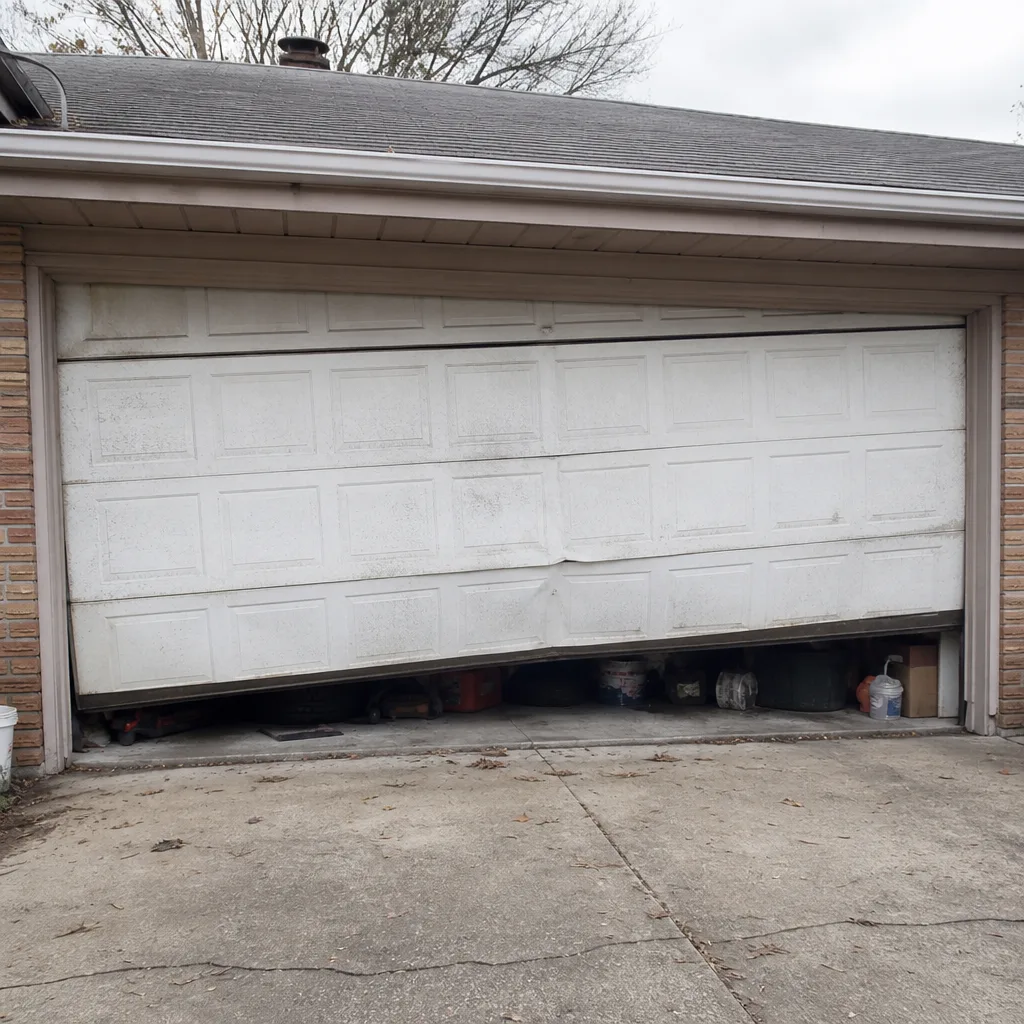 Before
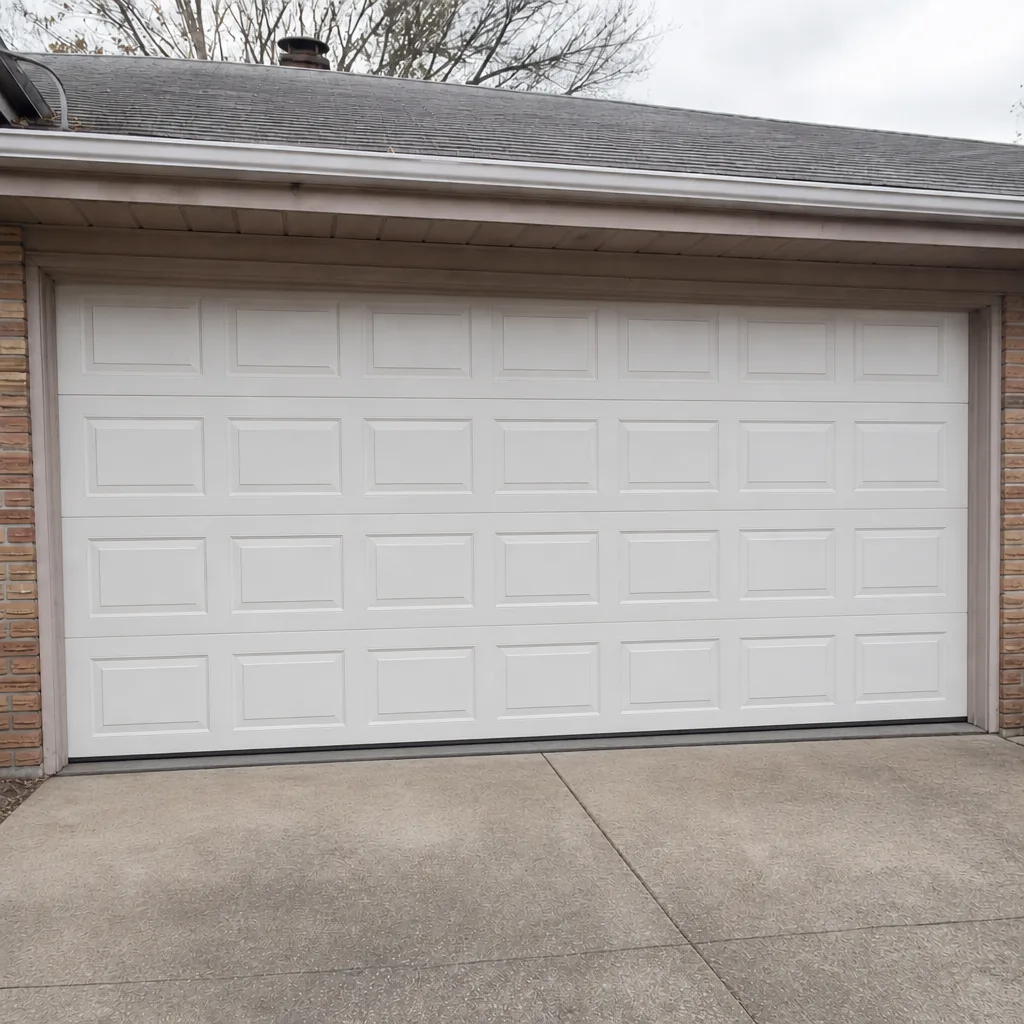 After
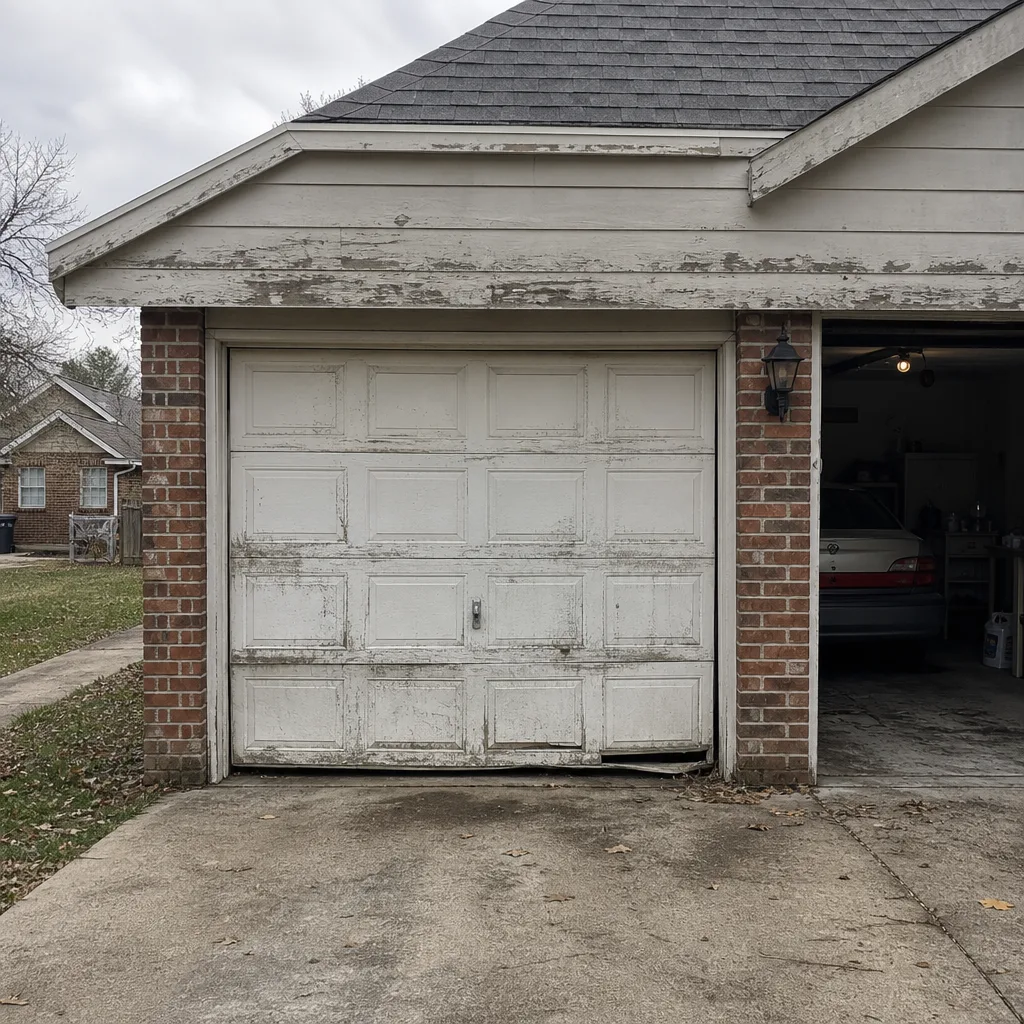 Before
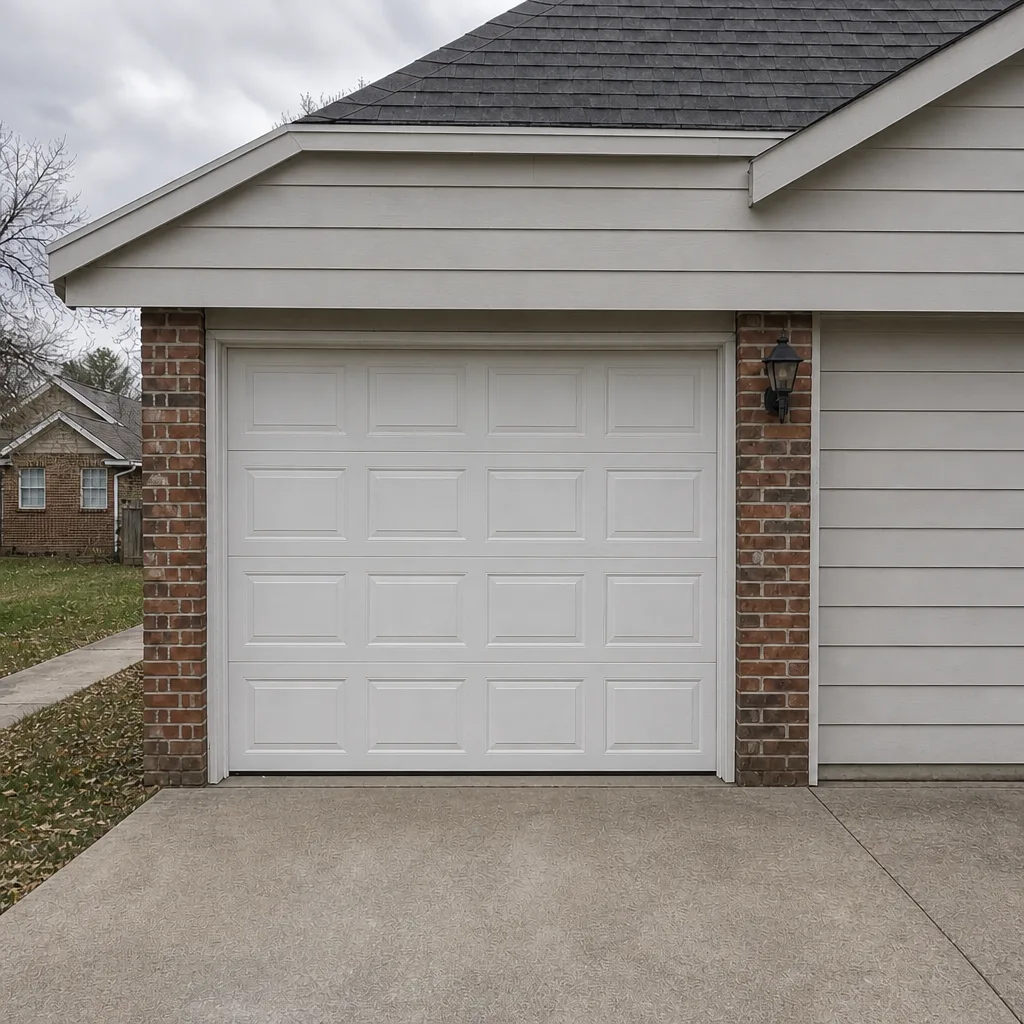 After
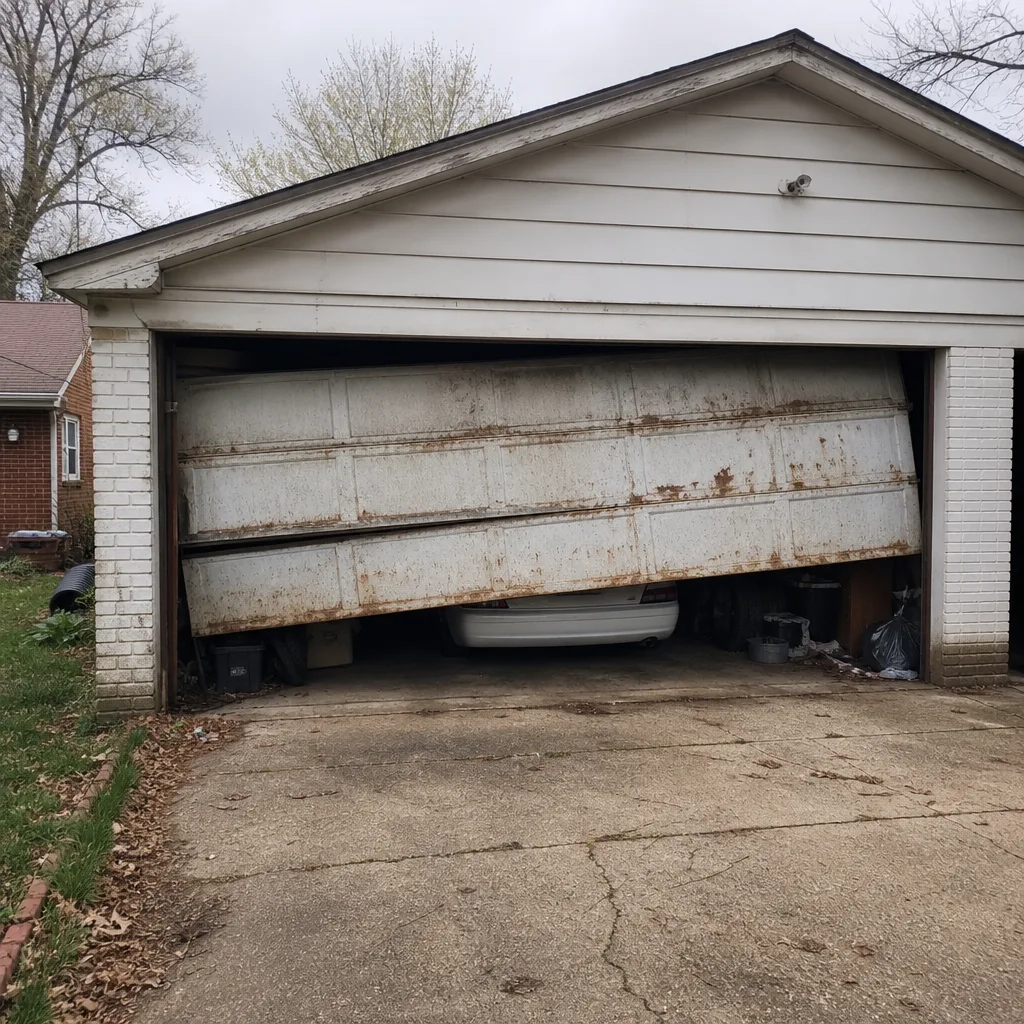 Before
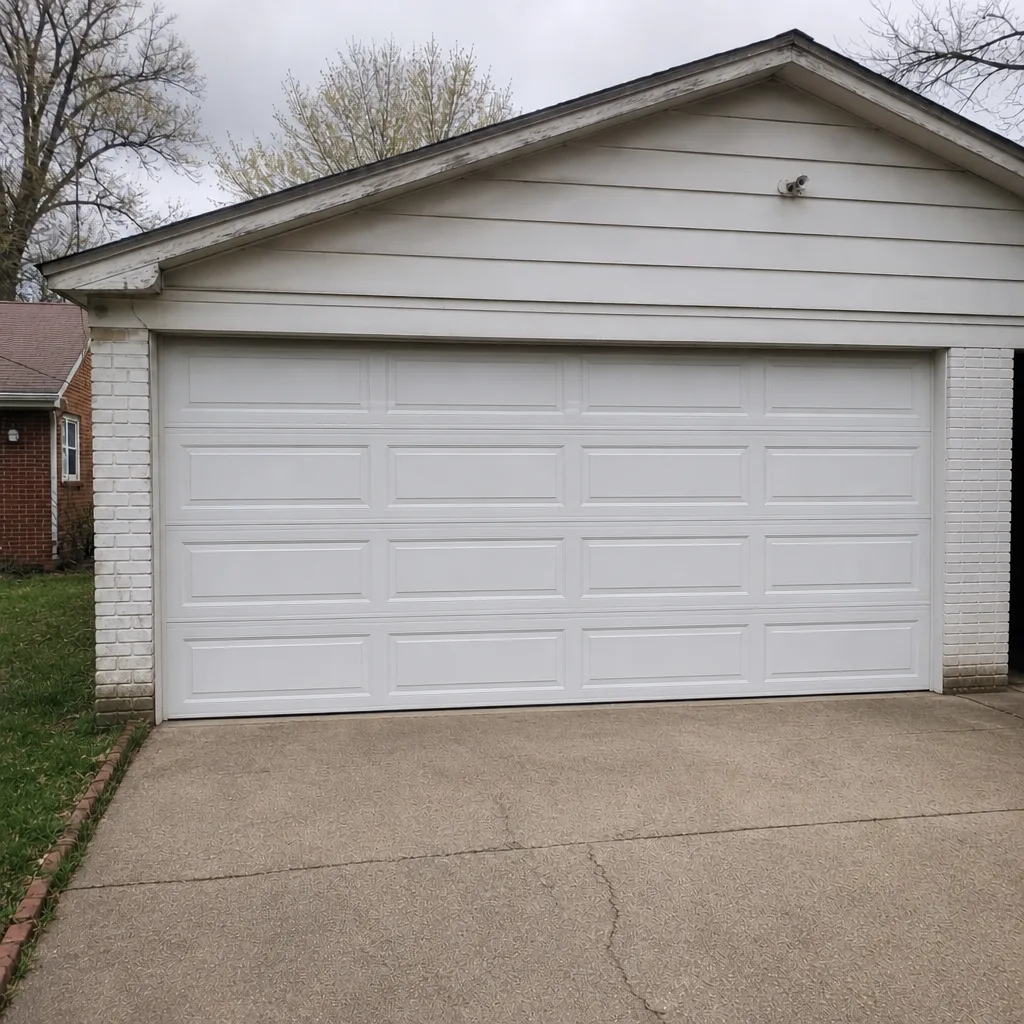 After
Frequently Asked Questions
A rust line along the coils or a widening gap between the coils is the most common warning sign that a garage door spring is about to break. Either one means the spring is losing tension and the door is doing more work than it should. If you also see a visible separation in the coil, stop using the door and call a technician right away. Call (855) 550-7571 for a free estimate in Holly Hills.
Grinding that only appears on descent usually points to worn rollers, a hinge that’s pulling loose, or a track with a slight bend. The door moves freely through most of its travel and then meets resistance at a specific point. That’s a repair worth scheduling this week, not an emergency, but it shouldn’t be left alone. Our technicians can identify the exact component, and estimates are free – call (855) 550-7571.
If the opener runs and makes noise but the door doesn’t lift, the problem is almost always the springs or a cable, not the opener. If the door moves but the opener hesitates, reverses, or won’t respond to the remote, the opener or its sensors are the likely source. Get a diagnosis before replacing either. Call (855) 550-7571 for an exact quote – estimates are free.
A door that sags on one side is not an emergency, but it’s not a door to ignore either. The sag usually means uneven spring tension or a cable that’s slipped, and running the door that way wears the opener and the hardware faster. Schedule a repair before it becomes a stop-use situation. Call (855) 550-7571 to book a look.
Yes, and the most common cause is the safety sensors at the bottom of the tracks. Dirt, misalignment, or a bumped wire will make the door reverse on descent even when nothing is blocking it. Clean the lenses and check alignment first; if the door still reverses, the opener’s travel limits have probably drifted and a technician should reset them. Call (855) 550-7571 if you need it looked at.
The monthly check is a visual walk-around: look at the door from the street for a sag or a panel out of square, check the springs from a safe distance for rust or separation, look up and down the tracks for bends, check the rollers and hinges, test the safety sensors, and test the door’s balance by disconnecting the opener. In Holly Hills, the seasonal temperature swing makes this check most valuable in spring and fall, right before the stress on the hardware shifts. Call (855) 550-7571 if you find anything on the list you’re unsure about.
The Bottom Line
A garage door almost always gives warning before it fails. The sound changes, the movement pattern shifts, the spring shows rust or a coil gap, or the opener starts hesitating. The trick is knowing what you’re hearing and seeing. Read the sound, watch the way the door travels, look at the springs from a distance, and read your opener’s behavior as the diagnostic tool it is. Sort any problem you find into warning, watch, or wait, and only three warning signs mean stop using the door today. Everything else allows you to schedule a repair. If you’d rather have an expert read the door for you, call (855) 550-7571 for a free estimate from Garage Door Repair Holly Hills.
Written by the team at Garage Door Repair Holly Hills.