Last updated November 20, 2026
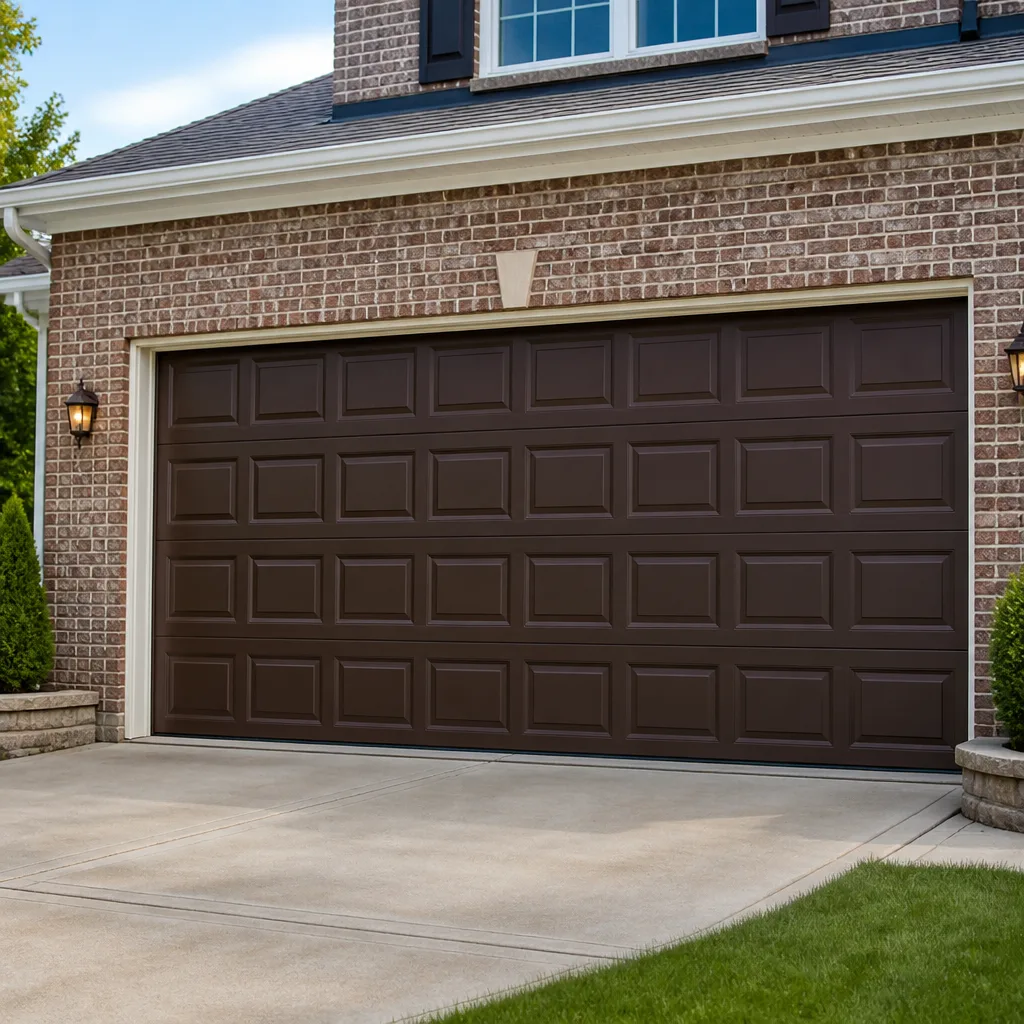 Raised-panel steel
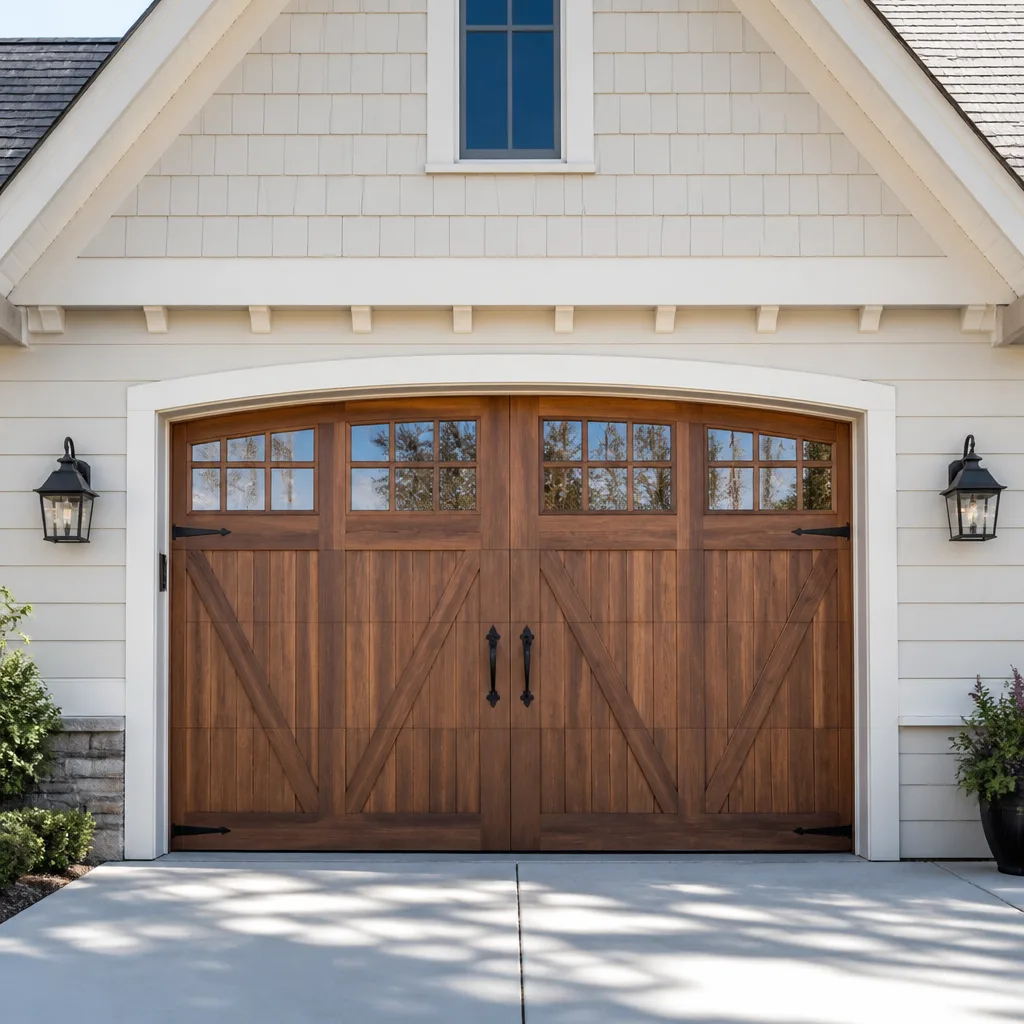 Carriage house
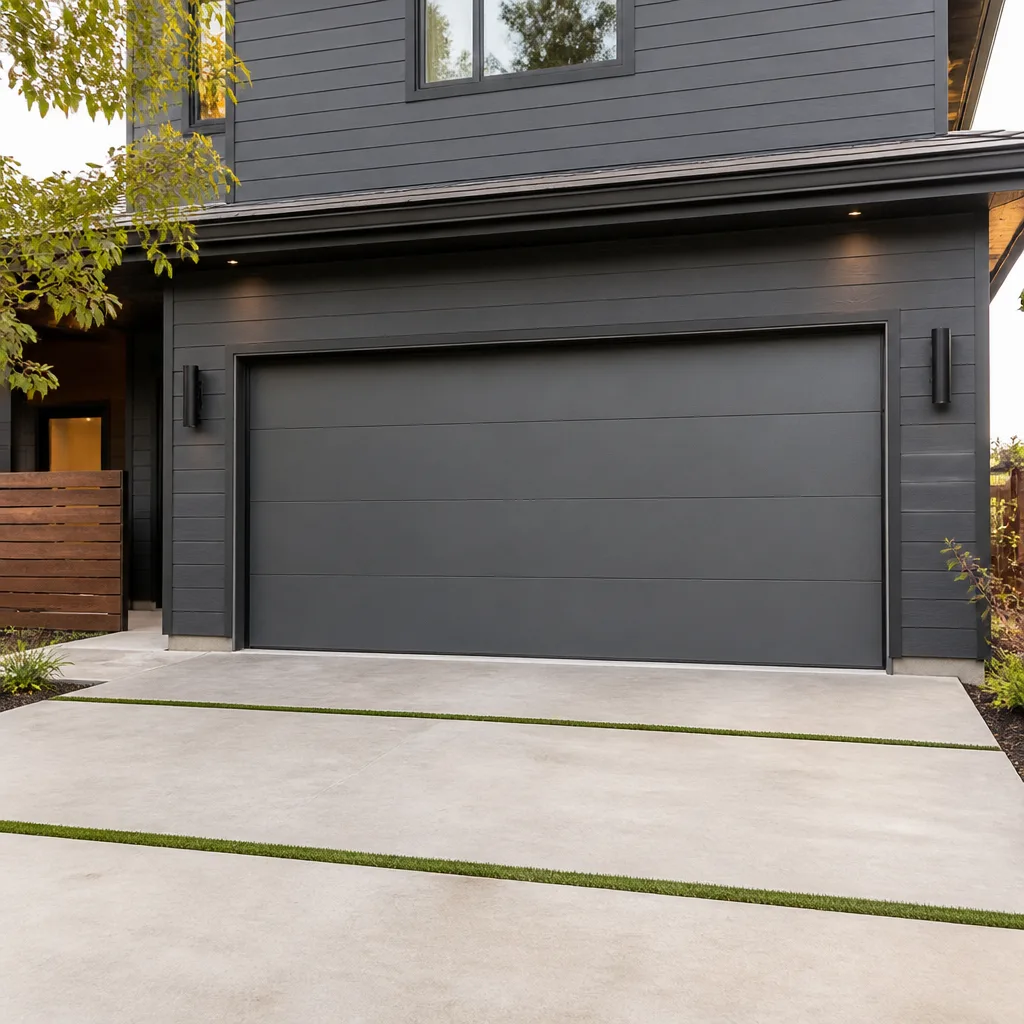 Modern flush
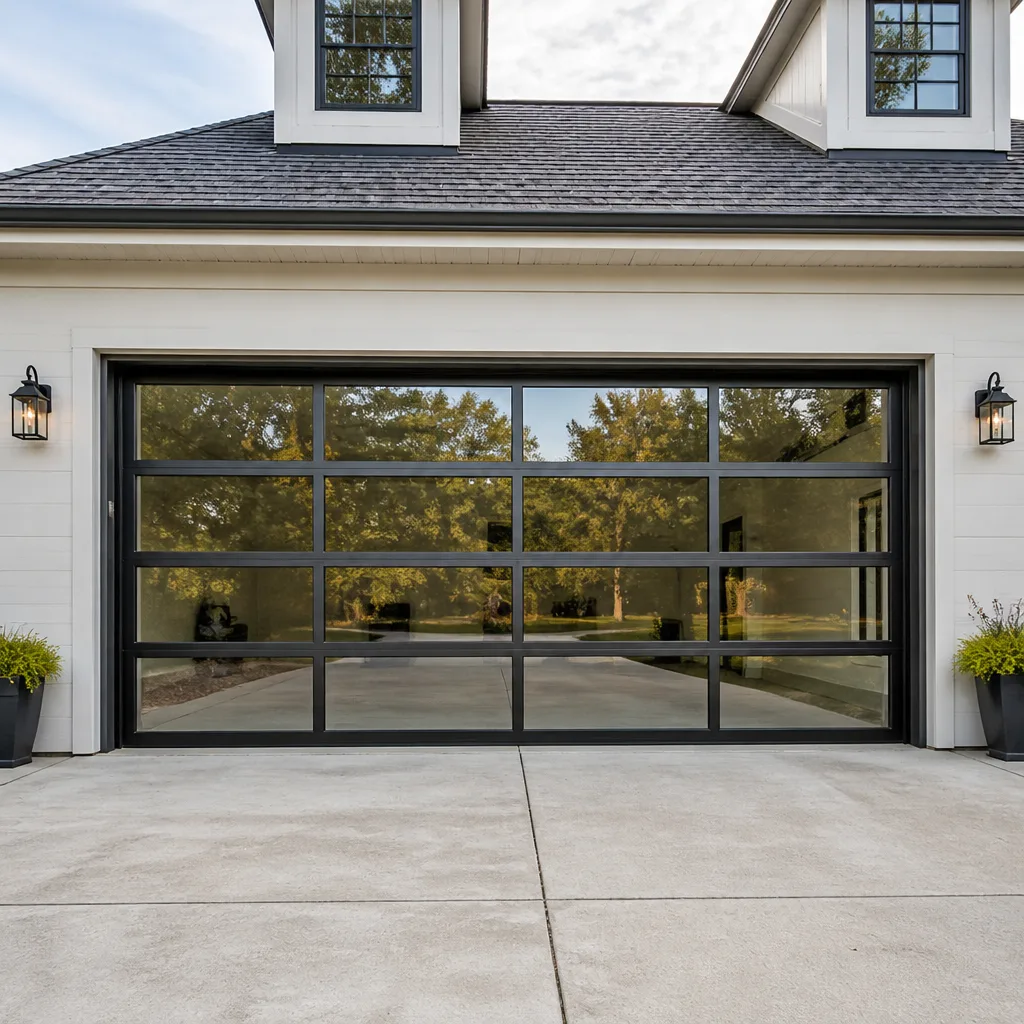 Full-view glass
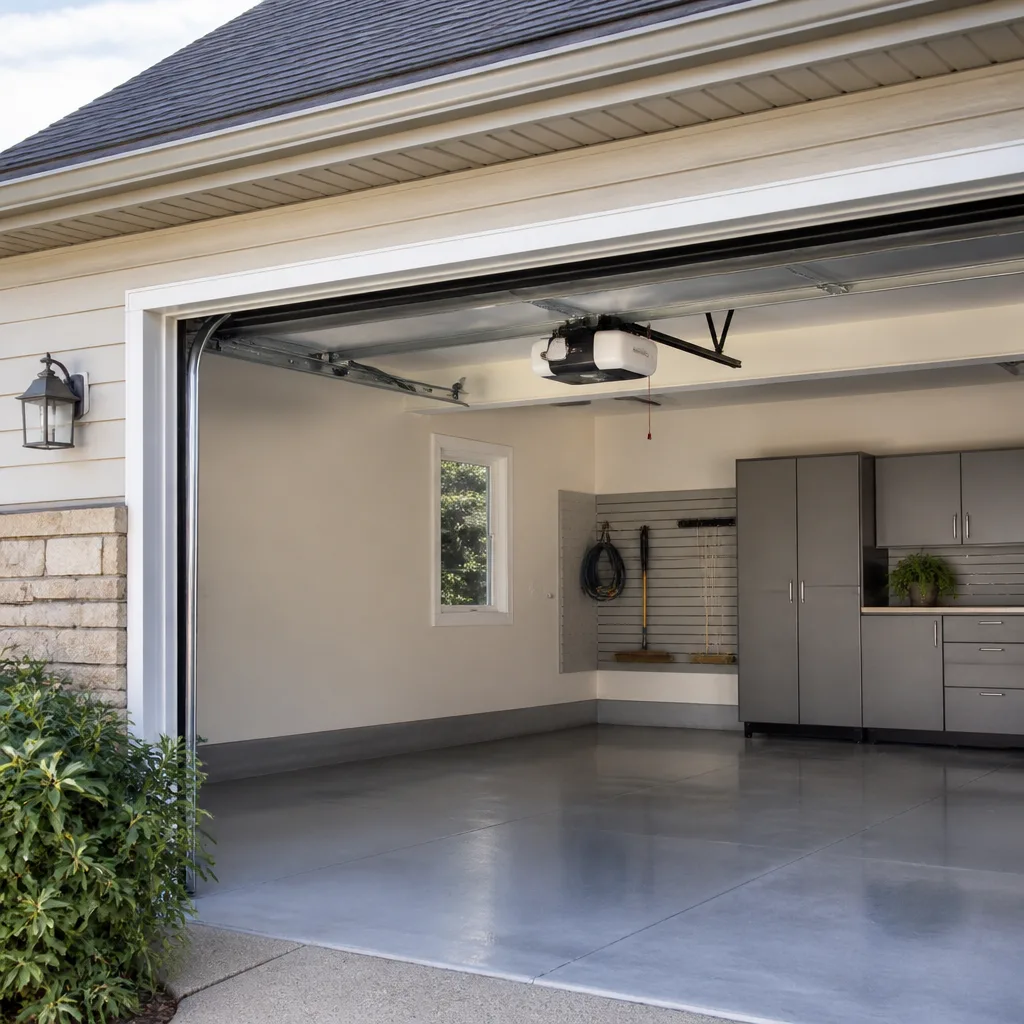 LiftMaster openers
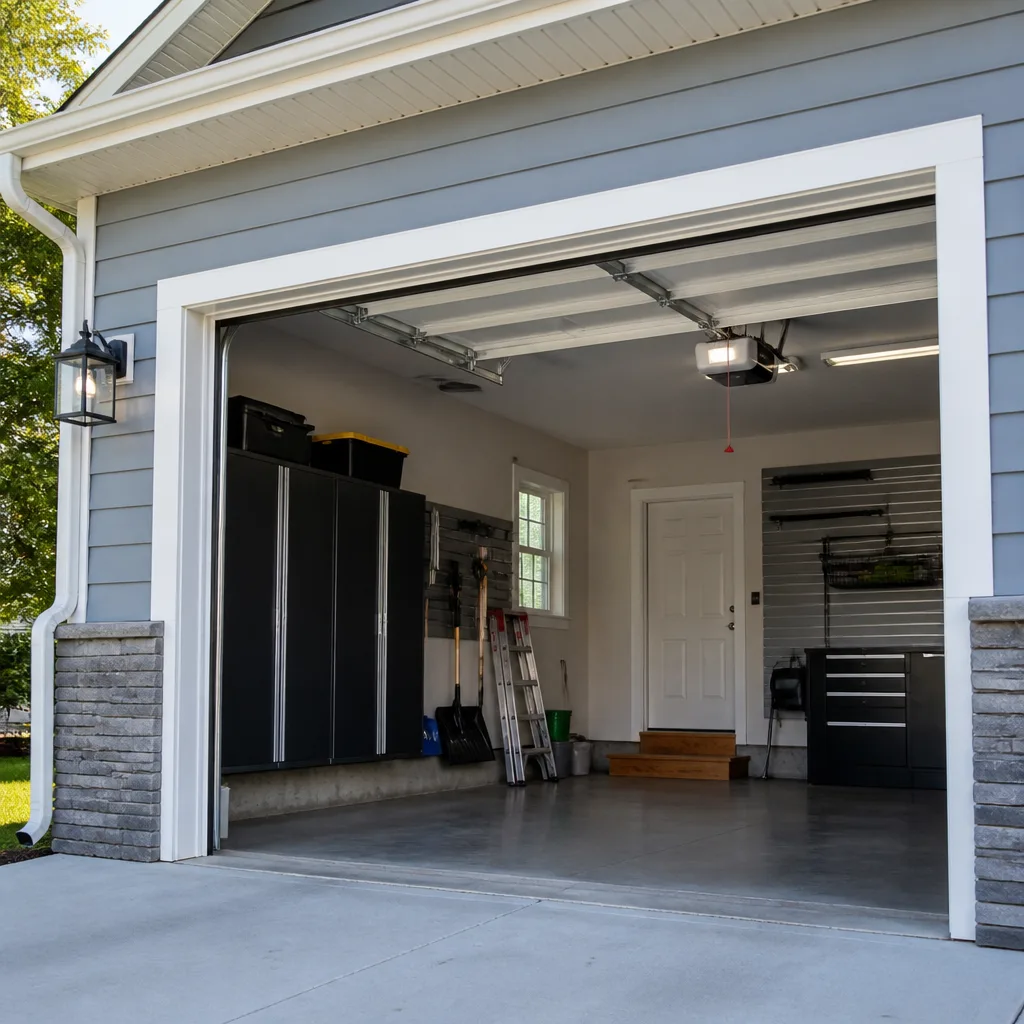 Chamberlain openers
Full 25-point door and opener safety check with every visit - springs, cables, rollers, tracks, and your LiftMaster or Chamberlain opener included
You get a price before we start. It does not change when the pro arrives.
Get your free estimateSeasonal Garage Door Care for Holly Hills: Year-Round Homeowner’s Guide
Most homeowners treat garage door maintenance as a single annual chore, usually a quick spray of lubricant whenever the door starts to squeak. That approach is why so many doors in Holly Hills fail years before they should. Missouri doesn’t give your garage door one climate to adapt to. It gives it four, each with its own way of stressing cables, springs, rollers, and weatherstripping. The freeze-thaw cycle that runs from late fall through early spring does more quiet damage to tensioned cables than simple age ever will. A door that opens smoothly in September can be hiding internal corrosion by February. What follows is a month-by-month protocol built around what actually happens to mechanical components in this part of Missouri, so you can stop reacting to breakdowns and start preventing them.
Quick Answer
Seasonal garage door care in Holly Hills means matching specific maintenance tasks to the months that cause the most stress: inspect cables and weatherstripping after winter’s freeze-thaw cycle, address humidity and heat effects on wood doors and opener motors in summer, switch to cold-rated lubricants in fall, and watch for sluggish operation in winter that signals thermal contraction rather than a failing spring. Doors that get four targeted checkups a year last noticeably longer than doors that get one generic tune-up.
Styles & brands we work with
- Raised-panel steel
- Carriage house
- Modern flush
- Full-view glass
- LiftMaster openers
- Chamberlain openers
Table of Contents
- Why Holly Hills Doors Need Four Protocols, Not One
- Spring Protocol: Post-Winter Inspection for Cables, Rollers, and Weatherstripping
- Summer Focus: Humidity, Wood Doors, and Opener Motor Heat
- Fall Prep: Choosing Lubricants That Survive Missouri Winters
- Winter Operations: Thermal Contraction vs. a Failing Spring
- Month-by-Month Task Calendar for Holly Hills
- Why Brand Knowledge Matters for Seasonal Care
- Common Mistakes to Avoid
- When to Call a Professional
- Frequently Asked Questions
Why Holly Hills Doors Need Four Protocols, Not One
Holly Hills sits in a climate band where temperatures swing hard in both directions. Summer heat and humidity push wood panels to swell and opener motors to run hotter than they should. Winter cold contracts steel tracks, stiffens grease, and turns a small cable flaw into a snap. The transition months in between, spring and fall, are when the damage from the previous season becomes visible and when the next season’s vulnerabilities can be addressed.
A single annual tune-up catches whatever happens to be failing on the day it’s performed. It misses the slow corrosion that starts in November and finishes a cable in March. It misses the summer humidity that quietly warps a wood door panel until it no longer seats against the frame. Four protocols, timed to the seasons, catch each of these problems while they’re still cheap to fix.
Here’s the core idea: mechanical components don’t fail from use alone. They fail from the environment they operate in. A torsion spring in a climate-controlled garage lasts longer than the same spring in a garage that hits freezing every night and climbs above 90°F every afternoon. Holly Hills garages do both.
- Spring: Recover from winter. Inspect what the cold and moisture did to cables, rollers, and seals.
- Summer: Manage heat and humidity. Watch wood doors for swelling and opener motors for overheating.
- Fall: Prepare for cold. Swap lubricants, seal gaps, check tension before the first hard freeze.
- Winter: Operate with awareness. Distinguish normal cold-weather sluggishness from real component failure.
Spring Protocol: Post-Winter Inspection for Cables, Rollers, and Weatherstripping
Spring is when the freeze-thaw cycle’s damage becomes visible. Water works its way into small gaps, freezes, expands, and forces those gaps wider. Repeat that cycle dozens of times over a Missouri winter and you get cable corrosion, roller wear, and weatherstripping that no longer seals.
Cable corrosion is the biggest concern. Garage door cables are under constant tension, and moisture that reaches the inner strands starts corrosion from the inside out. The outer surface can look clean while the core is already weakened. Look for fraying near the drum, discoloration along the cable run, and any sign of rust at the crimped ends. If a cable looks suspect, stop operating the door and call a professional. Cables under tension can cause serious injury if they fail during handling.
Roller wear from freeze expansion shows up as flat spots, cracked nylon, or rollers that no longer spin freely in their brackets. A worn roller drags, which forces the opener to work harder. On a Genie or LiftMaster opener that added strain shortens motor life. Spin each roller by hand with the door closed and the opener disconnected.
Weatherstripping damage is easy to spot. Look along the bottom seal and the perimeter for cracks, compression that no longer rebounds, or sections that have pulled away from the frame. A failed bottom seal lets water and cold air into the garage, which accelerates corrosion on every metal component inside.
- Disconnect the opener and raise the door by hand to feel for binding or uneven travel.
- Inspect both cables end to end for fraying, rust, or slack.
- Spin every roller and replace any that drag or show flat spots.
- Check the bottom seal and side weatherstripping for cracks or gaps.
- Look at the torsion spring for gaps, rust, or a stretched, uneven coil.
- Test the safety reverse by placing an object in the door’s path.
If anything in that sequence looks off, a professional inspection is worth the call. This is also a good time to schedule garage door repair before small issues turn into spring or cable failures.
Summer Focus: Humidity, Wood Doors, and Opener Motor Heat
Summer in Holly Hills brings two distinct stresses: humidity and heat. Both affect different parts of the door system, and both are easy to ignore until something fails.
Humidity and wood doors. Wood panels absorb moisture and swell. A Clopay or Amarr wood door that fits perfectly in April can bind against the frame by July. The swelling puts extra strain on hinges, rollers, and the opener. Finish failure makes it worse: once the paint or stain cracks, moisture gets into the wood grain and the swelling accelerates. Check the finish on all six sides of every panel, including the bottom edge where water sits. If you see cracking, peeling, or bare wood, refinish before fall.
Heat and opener motors. Garage attics and uninsulated garages can get very hot in summer, and opener motors run hotter in that environment. A motor that’s already marginal may start overheating, tripping its thermal protection, or reversing mid-travel. Chamberlain and Craftsman openers typically handle heat reasonably well, but a motor with worn gears or a failing capacitor will show its weakness in July and August. Listen for grinding or straining sounds and watch for the door reversing for no apparent reason. Both are signals that an opener needs attention, and our garage door opener repair team handles all four of the major residential opener brands.
- Wipe down wood panels and check for finish cracks, especially on the bottom edge.
- Listen for grinding, humming, or straining from the opener during operation.
- Test the manual release to make sure it disengages cleanly.
- Check that the door closes fully against the weatherstripping without gaps.
- Clear debris and insects from the track and photo-eye lenses.
Fall Prep: Choosing Lubricants That Survive Missouri Winters
The biggest fall mistake we see is using the wrong lubricant. A product that works fine in September can turn to sludge by January. Standard WD-40, general-purpose oils, and heavy greases all congeal below freezing. A congealed lubricant on rollers, hinges, and the torsion spring adds drag to every cycle, and that drag stresses the opener and the springs.
What you want is a lubricant that maintains viscosity in cold temperatures. Silicone-based sprays and lithium grease formulated for cold weather are the right choices. They stay fluid below freezing and keep rollers and hinges moving smoothly. The torsion spring itself should get a light coat of cold-rated lubricant to slow corrosion, but never attempt to adjust or unwind the spring. That’s high-tension work that belongs to a trained technician.
Fall is also the time to seal gaps. Check the bottom seal, side weatherstripping, and the frame transition for gaps that let cold air in. A well-sealed garage stays warmer, which reduces the freeze-thaw stress on cables and springs all winter. If you’re planning a door replacement, fall is a good time to schedule it, since our garage door installation work is measured and scheduled rather than rushed.
- Clean all rollers, hinges, and tracks with a dry cloth before lubricating.
- Apply cold-rated silicone spray or lithium grease to every roller, hinge, and the torsion spring.
- Do not use standard WD-40, heavy grease, or general-purpose oil.
- Inspect and replace any cracked or compressed weatherstripping.
- Check that the door balances: disconnect the opener and lift it halfway; it should stay put.
- Test the safety reverse again before the cold season starts.
Winter Operations: Thermal Contraction vs. a Failing Spring
Doors move slower in winter. That’s normal, and it’s not a sign of failure by itself. Cold contracts steel tracks, stiffens lubricants, and makes the door’s moving parts work harder. The trick is telling normal cold-weather sluggishness apart from a real problem.
Normal thermal contraction looks like a door that moves a bit slower, sounds slightly louder, and may need a second for the opener to get it moving. It doesn’t bind, doesn’t reverse unexpectedly, and doesn’t leave the door crooked or half-open.
A failing spring looks different. The door may not open at all, or it may open a foot and stop. You may hear a loud bang from the garage. The door may feel extremely heavy when you try to lift it by hand. The opener may strain or trip its safety reverse repeatedly. Any of these signals a spring or balance issue that needs a professional, not a DIY fix. Torsion and extension springs are under extreme tension and can cause serious injury if handled incorrectly.
In Holly Hills, winter also brings ice at the bottom seal. If the door freezes to the floor, don’t force it open with the opener. That strains the opener motor, the springs, and the panels. Free the door by hand first, then operate it normally.
- Listen for a loud bang or snap, which usually means a spring has failed.
- Test the door by hand with the opener disconnected; it should lift with reasonable effort.
- Look for the door reversing or stopping partway through travel.
- Check that the bottom seal isn’t frozen to the floor before opening.
- Do not force the door if it’s stuck; free it by hand first.
Month-by-Month Task Calendar for Holly Hills
This calendar is built around what Missouri weather actually does month to month, not a generic Midwest average. The tasks are ordered by urgency, so even if you only do the top item each month, you’re covering the highest-risk failure for that season.
- January: Watch for sluggish operation and frozen bottom seals. Test the safety reverse. Don’t force a stuck door.
- February: Check for ice buildup along the track and seal. Listen for any change in opener sound.
- March: Post-winter inspection: cables, rollers, weatherstripping, spring condition.
- April: Refinish wood door panels if needed. Clean and lubricate tracks and hinges.
- May: Test the opener under warm conditions. Check balance and safety reverse.
- June: Watch wood doors for swelling and binding. Inspect opener motor for heat issues.
- July: Check finish on all door surfaces. Look for grinding or reversing from the opener.
- August: Clear photo-eye lenses. Test the manual release.
- September: Switch to cold-rated lubricants. Seal gaps around the frame and bottom seal.
- October: Full balance check. Inspect weatherstripping and replace if compressed.
- November: Final pre-freeze inspection: cables, spring, rollers, opener.
- December: Monitor operation. Don’t force a frozen door. Watch for any new sounds or sluggishness.
If you’d rather hand the whole calendar to a technician, we can build an inspection schedule around your door’s brand and age. Start with our Garage Door Repair Holly Hills team for a full seasonal checkup.
Why Brand Knowledge Matters for Seasonal Care
Different brands have different seasonal weak points. A Clopay steel door and a Wayne Dalton wood door both swell and contract, but they respond differently to humidity and need different finish care. A LiftMaster opener and a Genie opener both run hotter in summer, but their thermal protection circuits and motor designs behave differently under heat stress. Knowing the brand tells a technician what to check first and what to expect.
We work on eight of the most widely installed residential brands: LiftMaster, Chamberlain, Genie, Clopay, Amarr, Wayne Dalton, Craftsman, and Raynor. That coverage means your seasonal inspection doesn’t start with a technician learning your system on the job. It starts with someone who already knows the door and opener you own.
Brand knowledge also matters for parts. Seasonal wear produces specific failures: a Clopay roller, a Wayne Dalton bottom seal, an Amarr hinge. When parts are matched to the door, the repair holds longer. We supply parts directly as well as performing repairs, so a worn component doesn’t sit for weeks waiting on a special order. Our technicians have up to 13 years of experience with these systems.
Common Mistakes to Avoid
- Using standard WD-40 or heavy grease in fall. Both congeal below freezing and add drag all winter. Switch to cold-rated silicone or lithium grease before the first freeze.
- Skipping the post-winter cable inspection. A cable that looks fine in fall can be corroding internally by March. Inspect it every spring, not just when the door stops working.
- Forcing a frozen door open. When the bottom seal freezes to the floor in Holly Hills winters, the opener strains and the springs take a hit. Free it by hand first.
- Ignoring summer swelling on wood doors. A Clopay or Amarr wood panel that binds in July is signaling a finish problem. Refinish before fall or the swelling gets worse.
- Assuming slow winter operation means a failing spring. Cold sluggishness is normal. A loud bang, a door that won’t open, or one that reverses partway is not.
- Treating maintenance as one annual tune-up. A single checkup catches whatever is failing that day. Four seasonal protocols catch problems before they become failures.
- Trying to adjust torsion or extension springs yourself. These are under extreme tension and can cause serious injury. This is work for a trained technician, every time.
When to Call a Professional
Some seasonal tasks are safe for a homeowner: wiping down panels, cleaning tracks, testing the safety reverse, and checking weatherstripping for cracks. But certain situations call for a trained technician, every time. A cable that’s frayed, rusted, or slack. A spring that’s snapped or shows gaps and uneven coils. A door that binds, reverses, or won’t stay balanced when disconnected. An opener that grinds, hums without moving, or trips its thermal protection in summer heat. Any of these can turn a small repair into a bigger one if ignored or handled wrong. Springs and cables especially are high-tension components that cause serious injury when they fail during handling.
Garage Door Repair Holly Hills offers free estimates in Holly Hills. Call (855) 550-7571 and we’ll walk through what your door needs season by season.
Frequently Asked Questions
The post-winter cable and roller inspection in March is the highest-value task. Freeze-thaw cycles from November through March cause internal cable corrosion and roller wear that aren’t visible in fall but can cause a failure by spring. Inspect cables for fraying and rust, spin every roller, and check weatherstripping for cracks before summer arrives.
Cold temperatures contract steel tracks, stiffen lubricants, and make the door’s moving parts work harder, so slower operation is normal in winter. The key is distinguishing normal sluggishness from a problem. A door that simply moves a bit slower and sounds slightly louder is fine. A door that won’t open, reverses partway, or makes a loud bang has a spring or balance issue that needs a professional.
Use a cold-rated silicone spray or lithium grease formulated to stay fluid below freezing. Avoid standard WD-40, heavy grease, and general-purpose oil, which congeal in cold temperatures and add drag to rollers, hinges, and the torsion spring. Apply the cold-rated lubricant in fall, before the first freeze, and reapply as needed through winter.
Wood panels absorb moisture and swell in summer humidity, which can make the door bind against the frame and put extra strain on hinges, rollers, and the opener. Finish failure makes it worse: once paint or stain cracks, moisture gets into the grain and swelling accelerates. Check the finish on all surfaces, including the bottom edge, and refinish before fall.
No. Torsion and extension springs are under extreme tension and can cause serious injury if handled incorrectly. Spring adjustment and replacement are work for a trained technician, every time. If you suspect a spring problem, stop operating the door and call a professional.
Call a professional if you find frayed, rusted, or slack cables, a spring with gaps or uneven coils, rollers that drag or show flat spots, a door that binds or won’t stay balanced when disconnected, or an opener that grinds or reverses unexpectedly. A free estimate is the fastest way to know whether a repair is needed. Call (855) 550-7571 for an exact quote.
The Bottom Line
Holly Hills garage doors don’t fail from age alone. They fail from four seasons of climate stress applied to components that were never designed to handle both a hard freeze and a humid summer without attention. The fix isn’t more work; it’s the right work at the right time. Inspect cables and weatherstripping in spring. Manage humidity and heat in summer. Switch to cold-rated lubricants in fall. Watch for real failure signals in winter. Four protocols, timed to what Missouri weather actually does, will keep your door operating longer than any single annual tune-up ever could.
Call Garage Door Repair Holly Hills at (855) 550-7571 for a free estimate on seasonal maintenance, repair, or installation. We work on LiftMaster, Chamberlain, Genie, Clopay, Amarr, Wayne Dalton, Craftsman, and Raynor systems, and our technicians have up to 13 years of experience.
Written by the team at Garage Door Repair Holly Hills.
See the difference
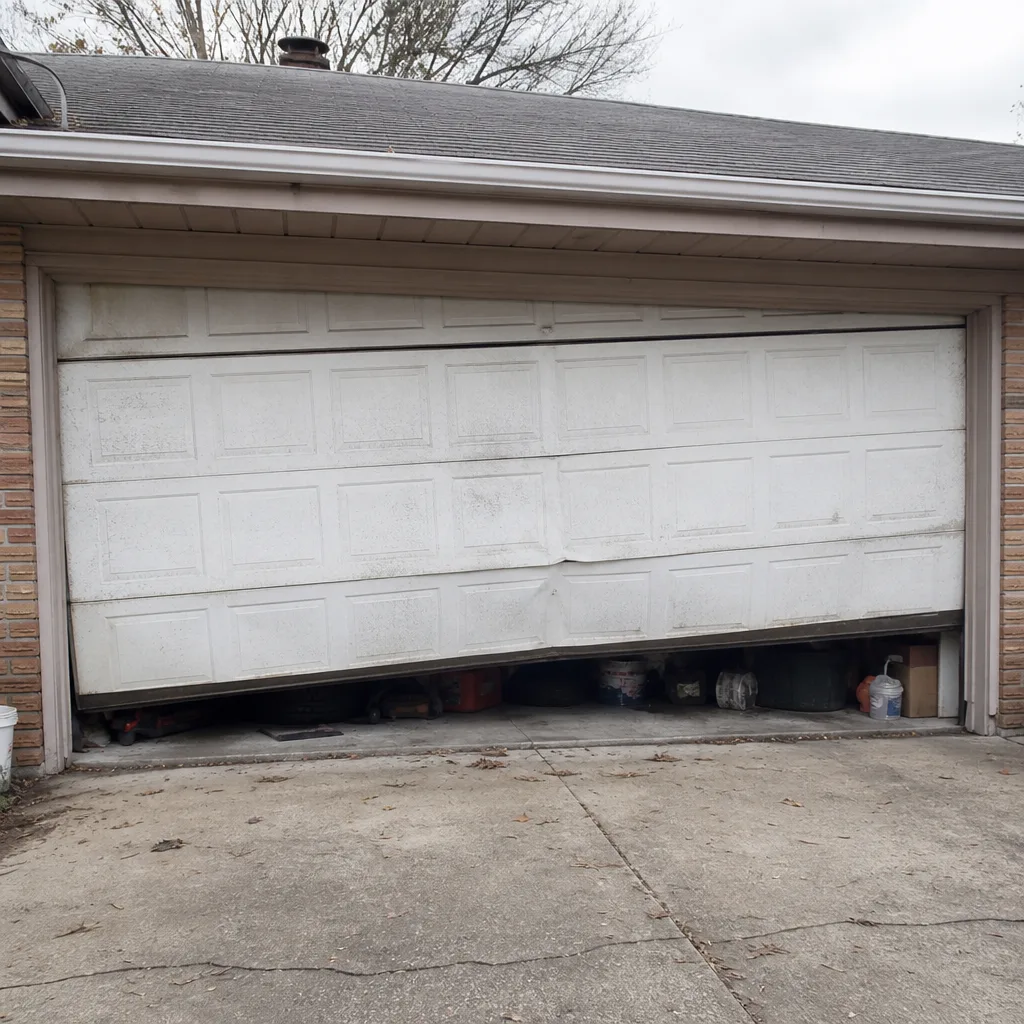 Before
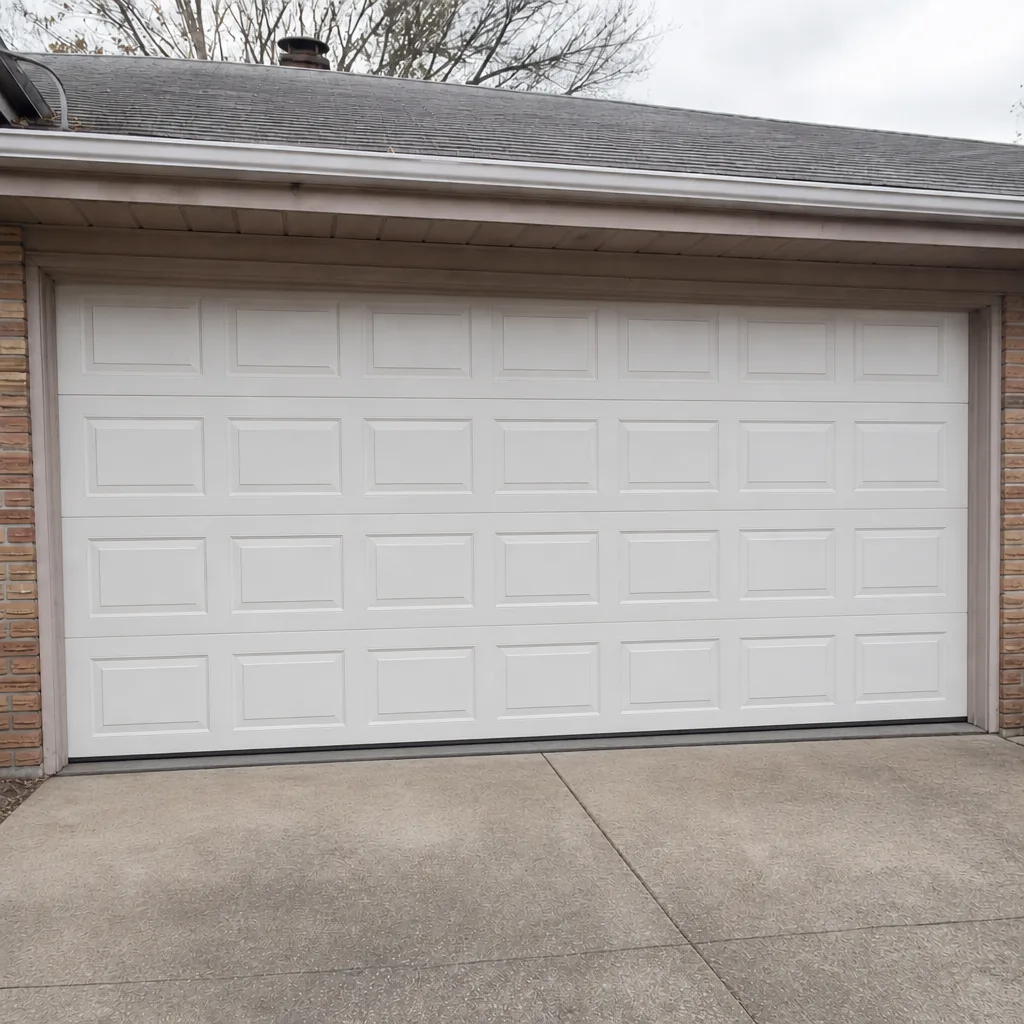 After
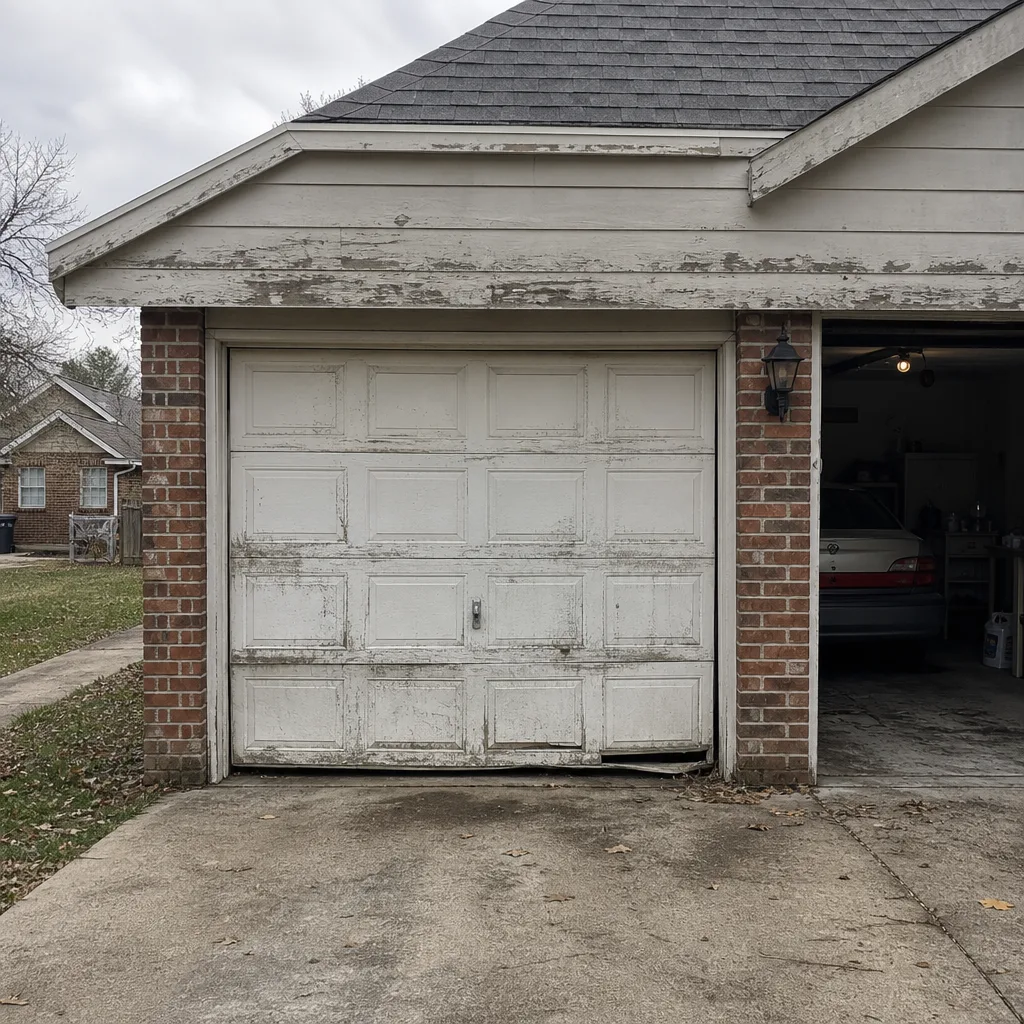 Before
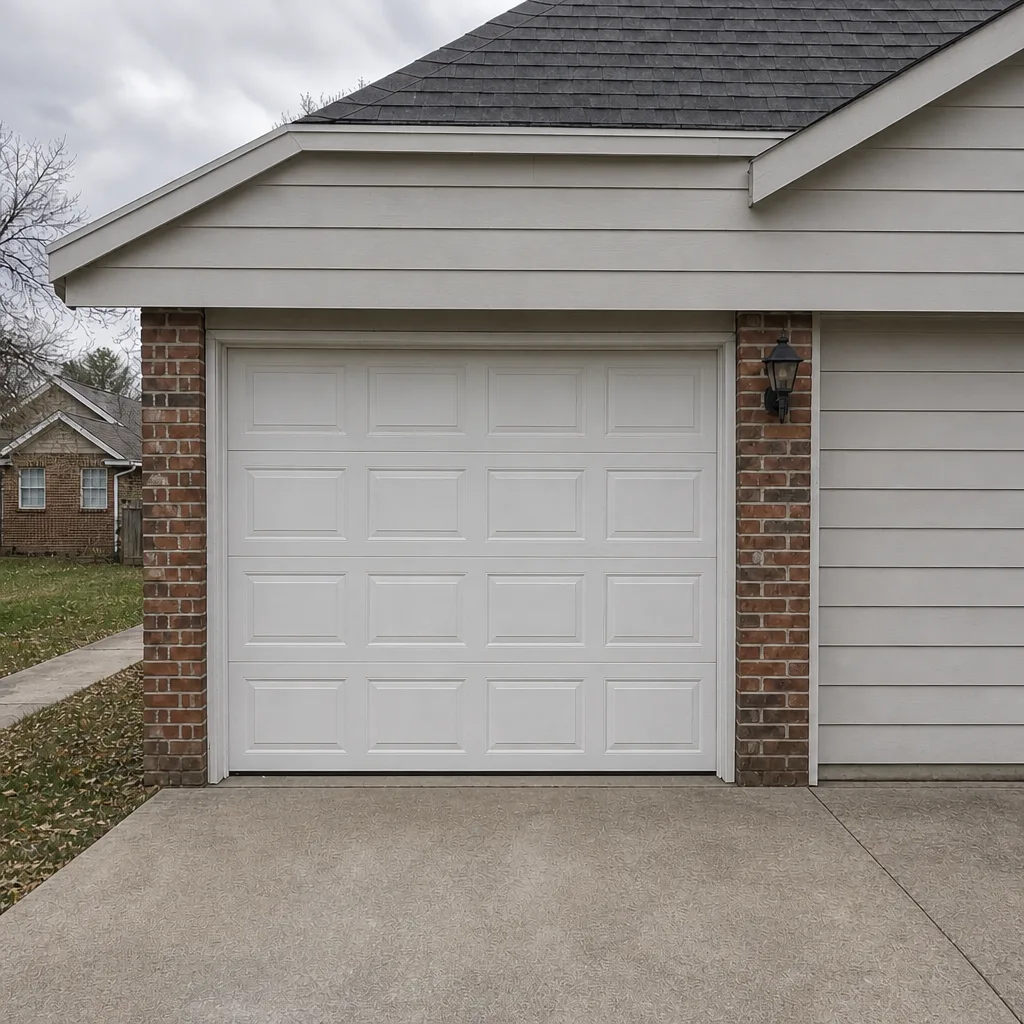 After
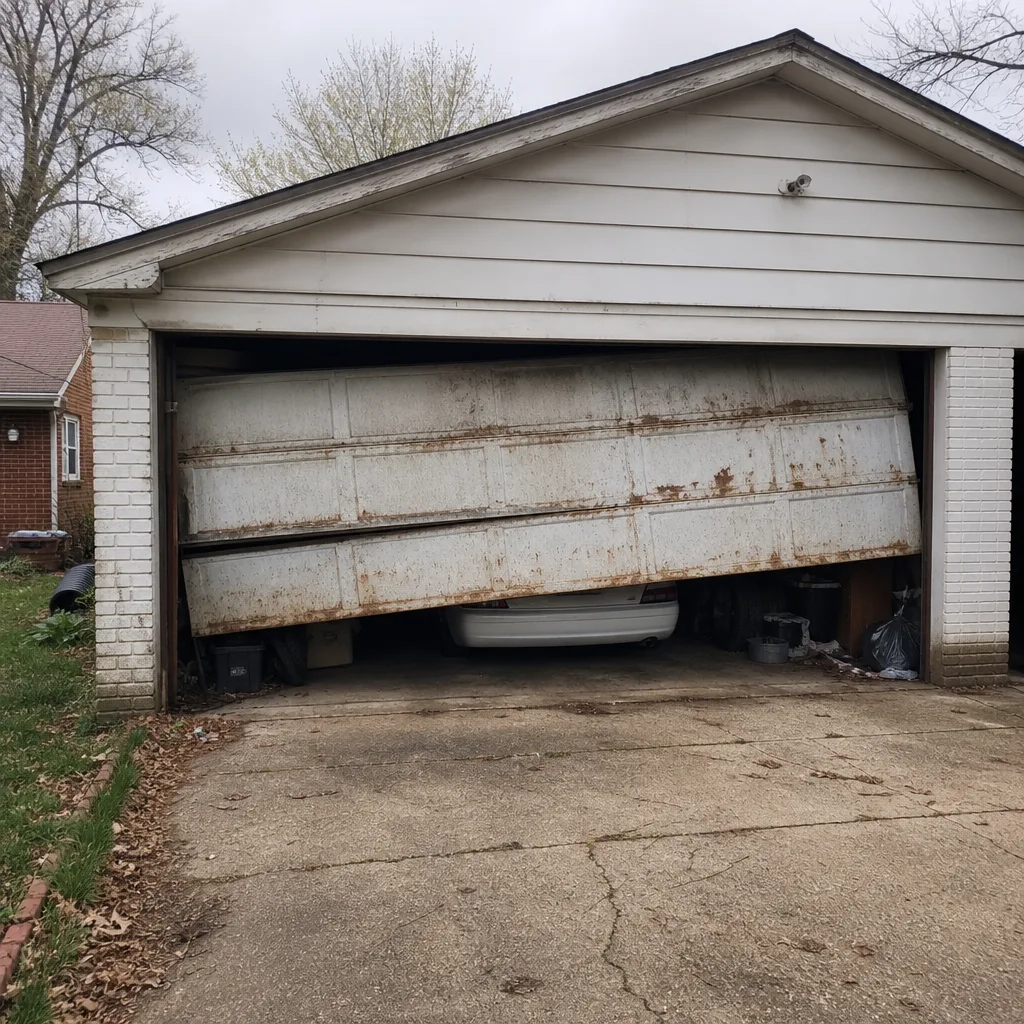 Before
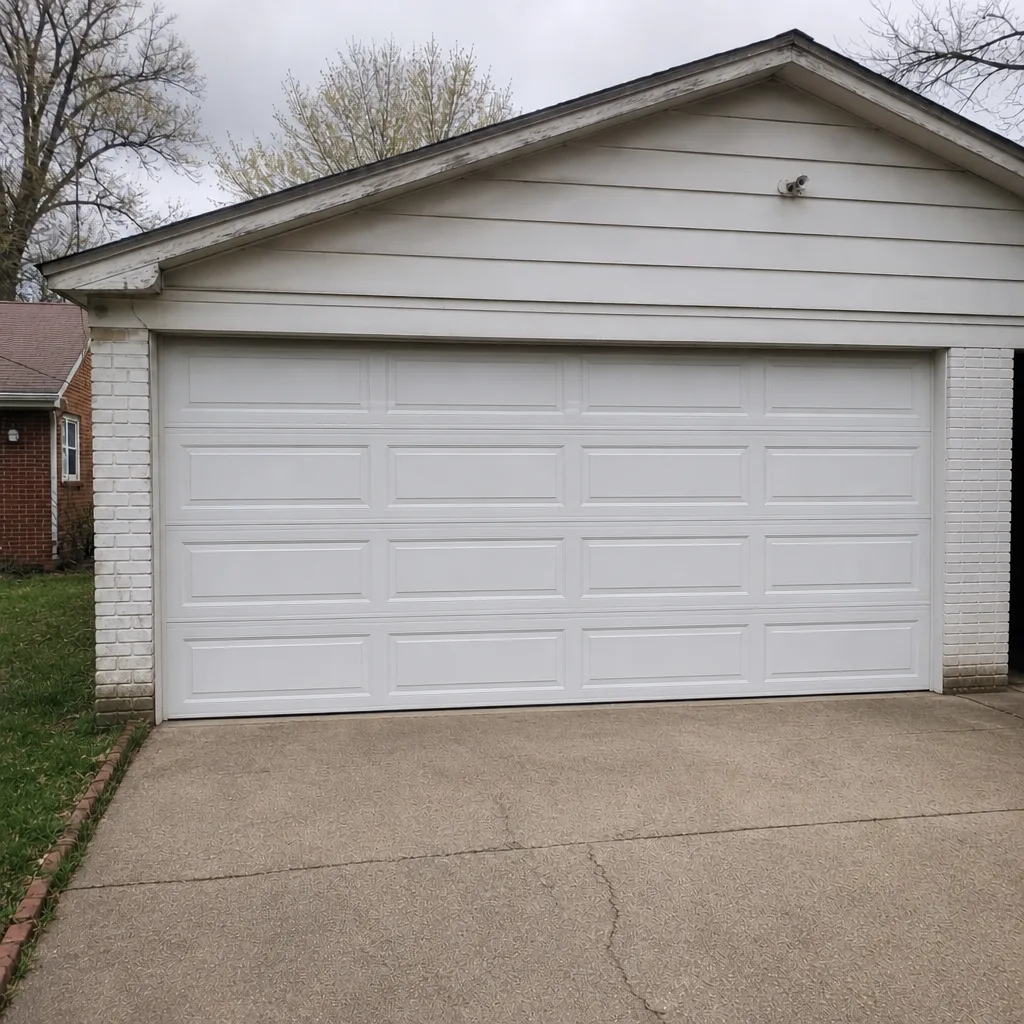 After