Last updated November 20, 2026
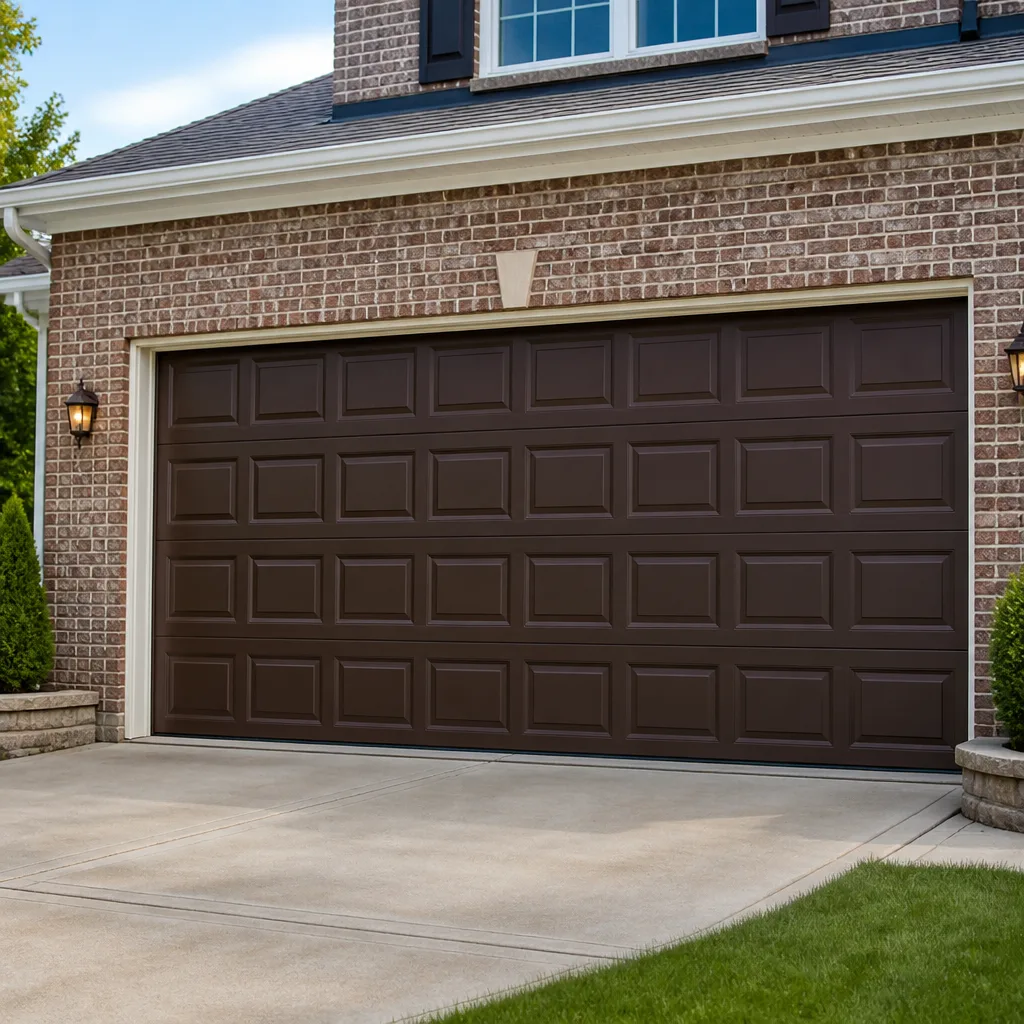 Raised-panel steel
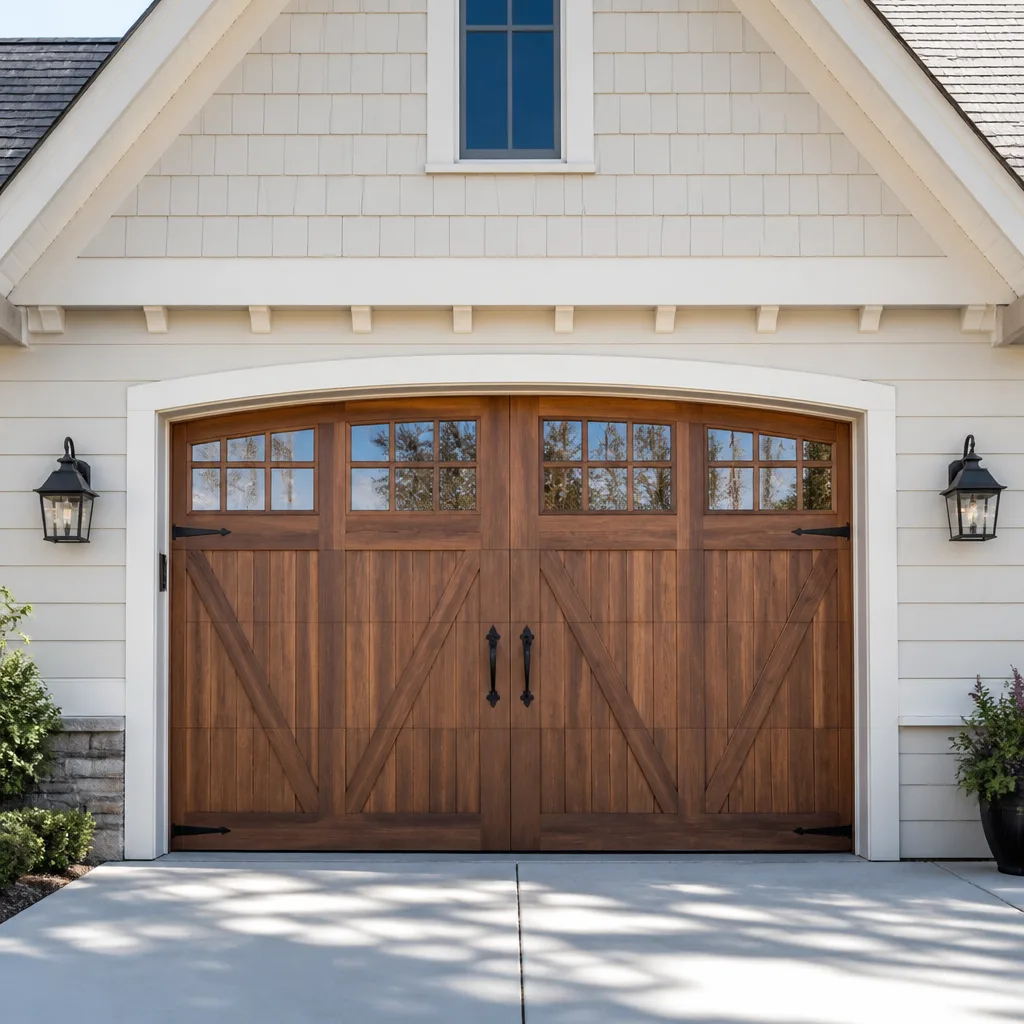 Carriage house
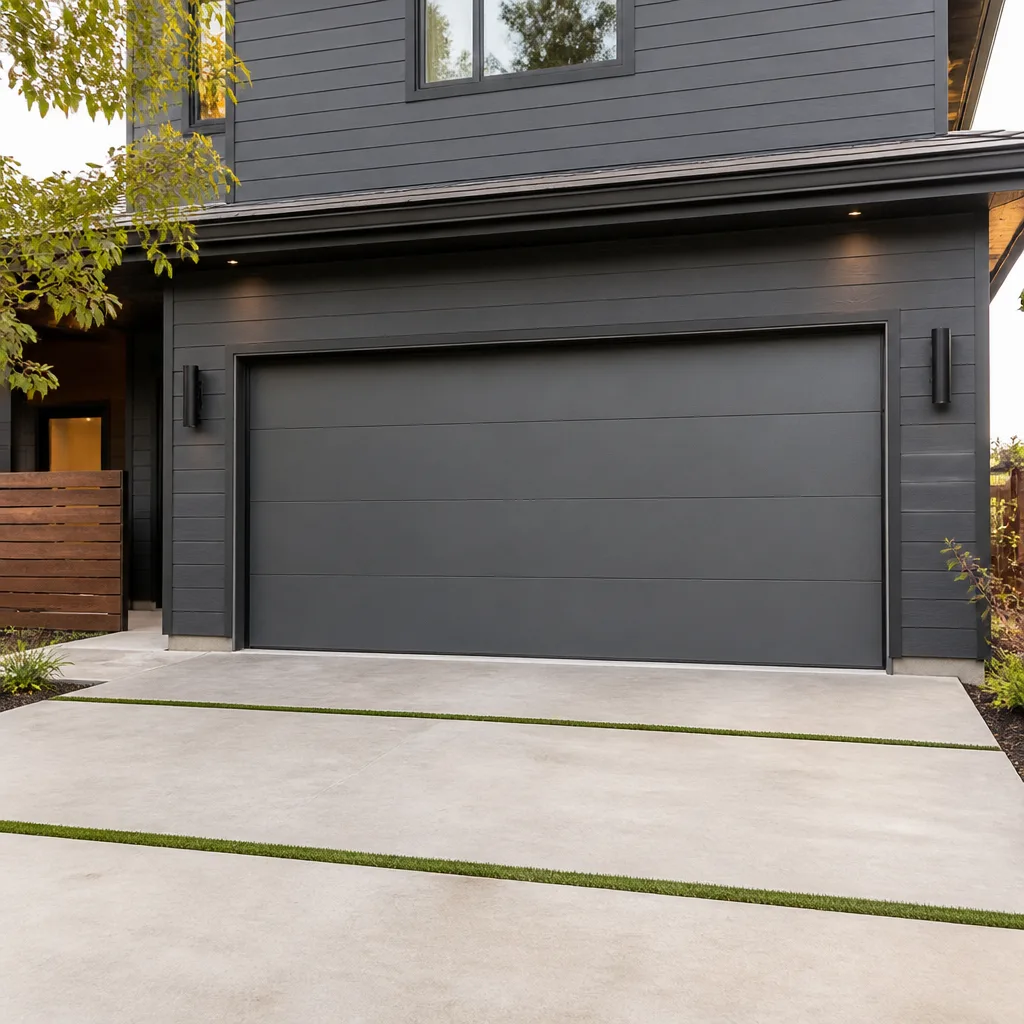 Modern flush
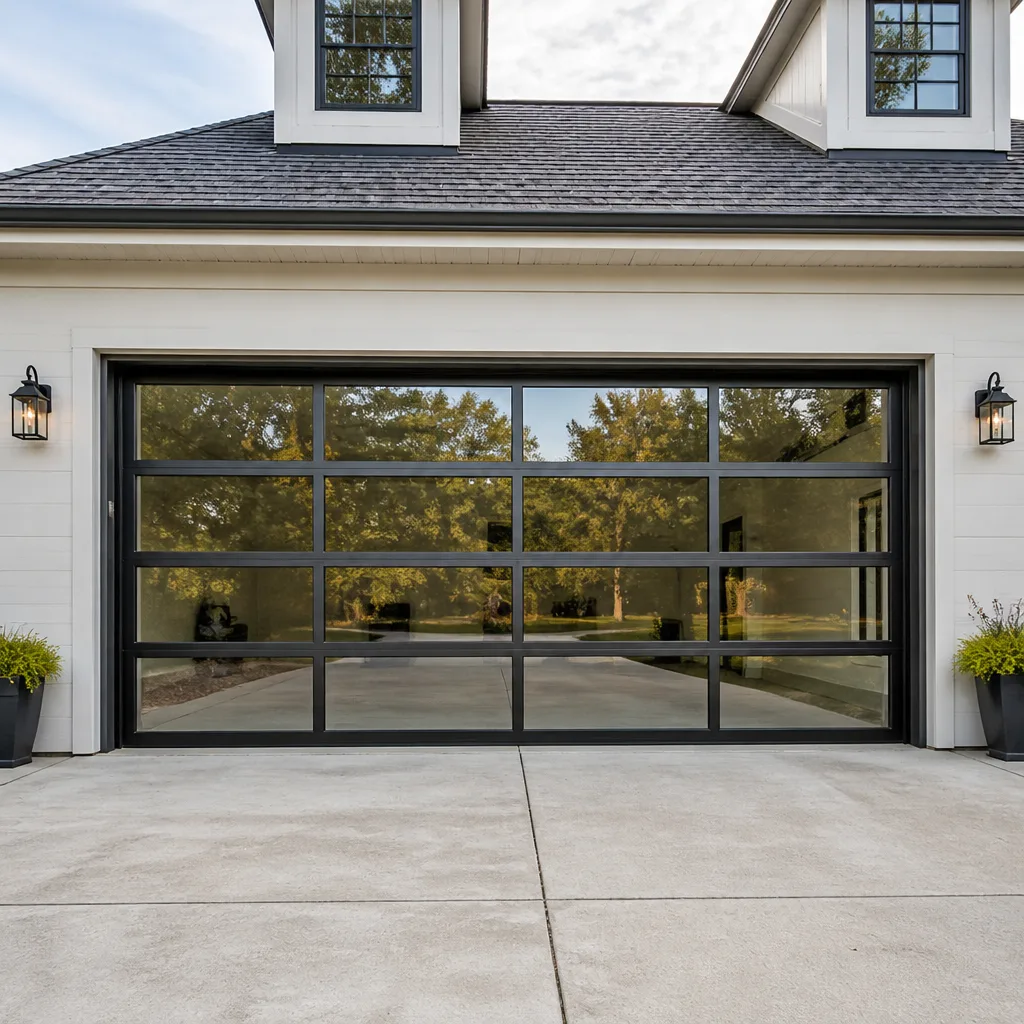 Full-view glass
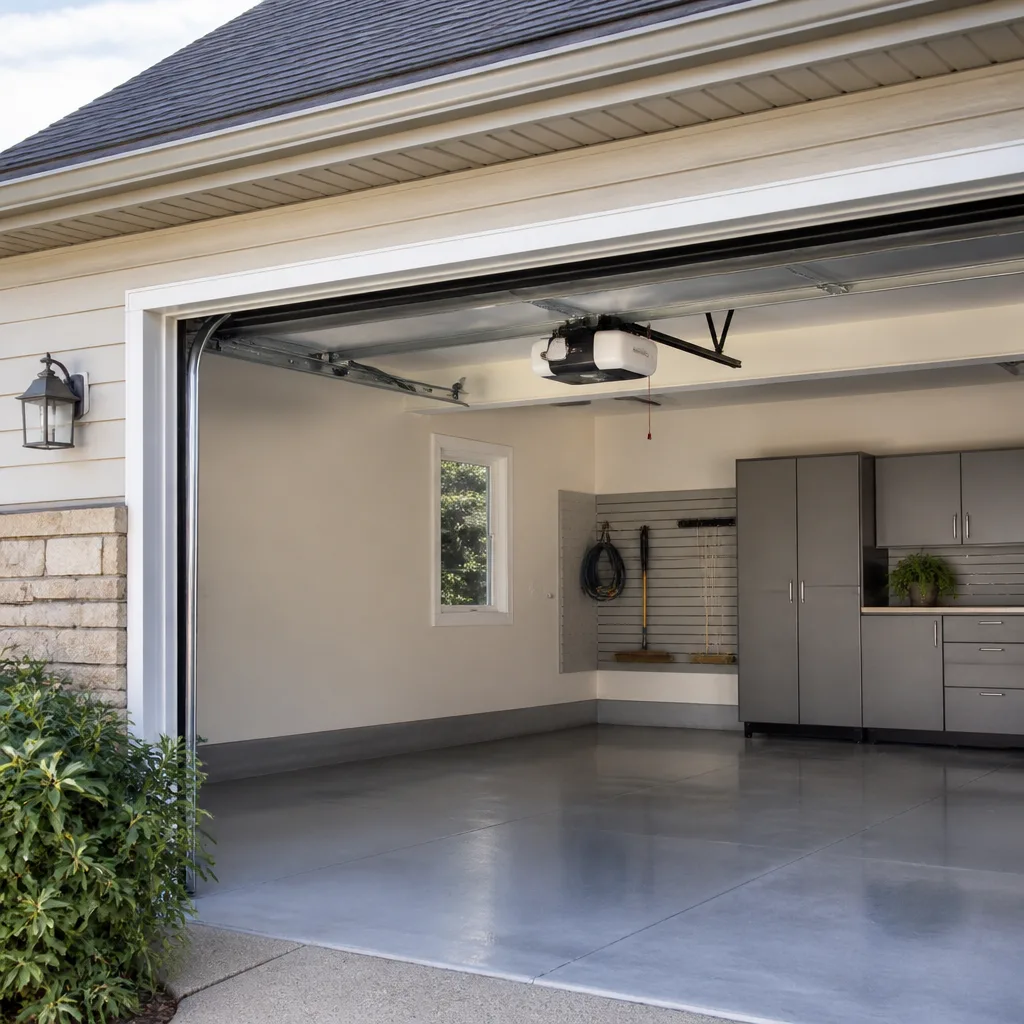 LiftMaster openers
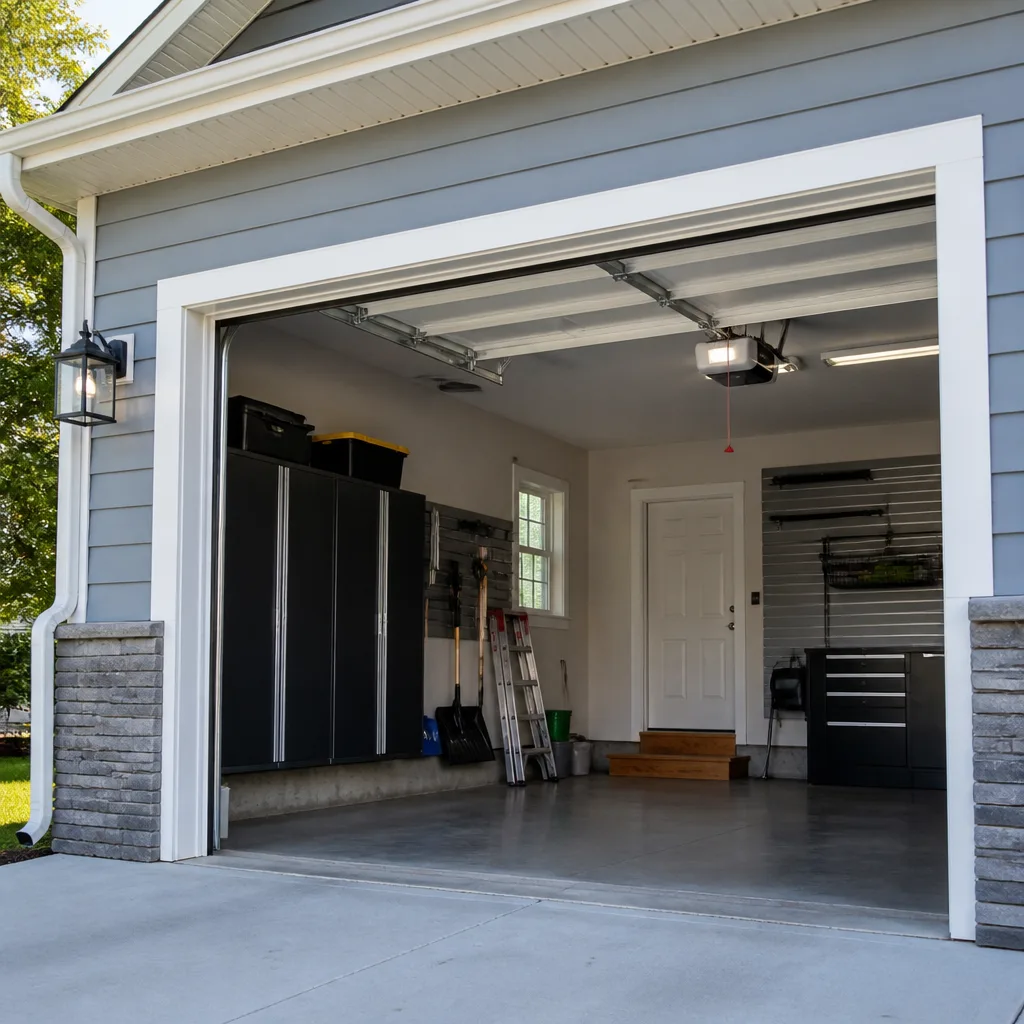 Chamberlain openers
Full 25-point door and opener safety check with every visit - springs, cables, rollers, tracks, and your LiftMaster or Chamberlain opener included
You get a price before we start. It does not change when the pro arrives.
Get your free estimateGarage Door Repair Troubleshooting in Holly Hills: Common Problems and How to Fix Them
A door that reverses before it reaches the floor and a door that won’t budge at all look like two different emergencies. They aren’t. One is a safety sensor reporting a false obstruction; the other is usually a spring or opener failure. Two completely different systems, two completely different fixes. Mix them up and you’ll spend money on the wrong repair while the real problem gets worse. This guide teaches you to read your door’s behavior as a diagnostic signal instead of random bad luck. You’ll learn which symptom points to which component, which checks are safe to do yourself, and which ones need a technician’s hands. We’ll also cover how Holly Hills humidity and temperature swings quietly influence how doors misbehave here.
Quick Answer
Most garage door problems in Holly Hills trace back to one of four components: the safety sensors at the floor, the springs above the door, the opener motor or its drive system, or the tracks and rollers that guide the door. Match the symptom to the component before you call anyone. Reversal = sensors. Grinding = rollers or tracks. A door that’s heavy or won’t lift manually = springs. A clicking opener with no movement = the opener’s drive gear, logic board, or a stripped trolley. Getting the diagnosis right first is the difference between one service visit and two.
Styles & brands we work with
- Raised-panel steel
- Carriage house
- Modern flush
- Full-view glass
- LiftMaster openers
- Chamberlain openers
Table of Contents
- Symptom-to-Component Map: What Your Door Is Telling You
- Opener-Side vs. Mechanical-Side Failures: Why Order Matters
- Safety Sensors and the Reversal Problem
- Spring Failure: The One Symptom You Should Never Test Yourself
- Grinding, Squealing, and One-Side Sag: Track and Roller Issues
- Opener Symptoms: Clicking, Beeping, Remote Failures, and Dead Motors
- Holly Hills Climate Factors: Humidity, Wood Doors, and Seasonal Misalignment
- Self-Triage Decision Tree: When to Fix It, When to Call
Symptom-to-Component Map: What Your Door Is Telling You
Before you touch anything, watch the door and listen. Every behavior points back to a specific part of the system. Here’s the mapping we use on every diagnostic visit in Holly Hills:
- Reverses immediately after closing, or won’t close at all → safety sensors (misaligned, dirty lens, or a wiring fault).
- Lifts a few inches and stops, or strains audibly → spring tension loss or a broken spring.
- Grinding or metal-on-metal noise → worn rollers, dry hinges, or a track out of alignment.
- Door hangs crooked, one side higher than the other → a broken spring on one side (torsion setups) or a stretched extension spring, sometimes a jumped cable.
- Opener clicks once but nothing moves → stripped opener gear, broken trolley, or a failed logic board. The motor is trying; the drive isn’t engaging.
- Opener runs but door doesn’t move, and the chain is loose → chain or belt disconnected from the trolley, or the trolley is disengaged from the carriage.
- Remote doesn’t work but the wall button does → remote battery, remote programming, or the receiver in the opener. The opener itself is fine.
- Door slams down hard → spring tension too low or a broken spring. The opener can’t control descent without spring counterbalance.
Notice the last few items. They’re opener symptoms, but the underlying problem is mechanical or vice versa. That overlap is exactly where homeowners get stuck. A garage door opener repair call for a spring problem, or a spring call for a stripped gear, costs you a wasted visit. Reading the symptom correctly saves that.
One quick tip: before you assume the opener is at fault, disconnect it using the manual release cord (the red handle hanging from the trolley). If the door lifts by hand smoothly, the opener is the problem. If the door is heavy, binds, or won’t stay up halfway, the problem is mechanical and the opener is just reporting it.
Opener-Side vs. Mechanical-Side Failures: Why Order Matters
Every garage door system has two halves. The mechanical side is the door, springs, cables, tracks, and rollers. The opener side is the motor, drive (belt, chain, or screw), logic board, sensors, and remotes. When a door fails, both halves can produce similar-looking symptoms. Fix the wrong one first and you pay twice.
The most common double-billing scenario we encounter: an opener is blamed for a door that lifts slowly or unevenly, and a new opener is installed. The new opener struggles with the same heavy door because the springs were the real problem. The springs get replaced next, and the homeowner has now paid for a motor they didn’t need. The reverse also happens: a door is serviced for mechanical noise when the real issue was a worn opener drive gear making a similar grinding sound.
Here’s how to sort which side you’re dealing with:
- Test the door manually first. Pull the release cord and lift the door by hand. A well-balanced door should lift with modest effort and stay put at roughly half-travel when released.
- If it’s heavy, hard to lift, or won’t stay up: the problem is mechanical. Springs, cables, or the door itself. Do not reconnect the opener and force it. Call a technician.
- If it lifts smoothly by hand: the problem is the opener side (motor, drive, board, sensors, remotes). The door itself is fine.
- If it lifts smoothly but crooks to one side: something is binding in the tracks or one spring is weak. Even though the door moves, you’re looking at a mechanical issue.
In Holly Hills, we’ve seen the manual release test resolve the question in about ninety percent of cases. It costs nothing and tells you instantly which half of the system to focus on. For anything on the mechanical side, have a trained technician handle it. Spring and cable work involves stored energy you cannot see and shouldn’t test.
Safety Sensors and the Reversal Problem
If your door reverses immediately after closing, or refuses to close at all and the opener’s light flashes, the safety sensors are the first thing to check. These are the two small units mounted on the tracks near the floor, one on each side. One shoots an invisible beam; the other receives it. Anything that interrupts that beam – a misaligned sensor, a dirty lens, spider webs, a curled-up leaf, sunlight hitting the receiving lens at a low angle – tells the opener a child is in the way, and it reverses.
This is one of the safest and most homeowner-friendly troubleshooting categories. Here’s what you can check:
- Look at the LED on each sensor. A steady light means good alignment. A flickering or off light means the beam is broken or misaligned.
- Wipe both lenses with a soft cloth. Dust, pollen, and insects build up faster than you’d expect.
- Check for obstructions in the beam path. A broom handle, a snow shovel, a stack of moving boxes – all common culprits.
- Check that the mounting brackets are snug. A sensor bumped by a bike or a lawn tool can shift a few degrees and lose alignment.
- Look for sun glare. Early-morning or late-afternoon low sun through an open garage door can blind a receiver. If reversal only happens at a certain time of day, that’s your answer.
What you shouldn’t do: rewire the sensors, bypass them, or splice the wires to “test.” The sensors exist to protect anyone who walks or crawls beneath the door. Bypassing them is a genuine injury risk and it will also confuse the opener’s logic. If the LEDs won’t respond after a cleaning and a visual check, the sensor or its wiring needs a technician. This is where a quick diagnostic call saves you an afternoon – call (855) 550-7571 and we’ll get a trained set of eyes on it.
One more symptom that masquerades as a sensor problem: if the door reverses only when it’s nearly closed, the culprit can be a loose track causing the door to bind at the bottom, not the sensors at all. Listen for a strain or a scrape in the last few inches of travel.
Spring Failure: The One Symptom You Should Never Test Yourself
Springs are the component that makes a door feel light. A standard residential door can weigh several hundred pounds; the springs counterbalance that weight so a human can lift it easily and the opener only has to guide it. When a spring breaks, the door becomes heavy, dangerous, and impossible for the opener to control safely.
Here’s what spring failure looks like:
- Torsion spring (mounted on the shaft above the door): a visible gap in the coil, or a loud bang followed by a door that won’t lift.
- Extension spring (running parallel to the tracks): a visible gap in the coil, a spring hanging loose, or a snapped spring body.
- Either type: the door is heavy when you try the manual release, or the opener strains and stops a few inches up.
This is the part of the guide where we’re going to be direct: do not attempt spring repair yourself. Not for tension adjustment, not for tightening, not for a “quick fix” you saw online. A wound torsion spring stores enough energy to break bones and cause serious head or hand injuries when it’s released incorrectly. The winding bars, the correct number of turns, the safety cable on extension springs – these are trades within the trade. Spring repair is the clearest line between a generalist and a specialist, and it’s a line we take seriously. Our garage door repair work treats spring diagnosis as the top of the safety ladder, not something to hand off to a handyman.
What you can safely do: visually inspect from the floor for a broken coil or a hanging extension spring, listen for a bang in the night, and test the door by hand to confirm it’s heavy. Then stop. Call us for a free estimate on the spring work and the local pro will arrive with the right tools and the training to do it safely. We handle torsion and extension springs across the leading door brands, including Wayne Dalton and Raynor systems, so the technician arrives already knowing your setup.
Pattern note: in most Holly Hills homes, springs don’t fail in mid-summer. They fail on the first cold snap after a long warm stretch – the metal contracts and a fatigued spring lets go. If your door is older and the temperature drops suddenly, listen for that bang. It’s the most predictable failure in the trade.
Grinding, Squealing, and One-Side Sag: Track and Roller Issues
Noise is the door’s complaint department. Grinding, squealing, popping, and scraping almost always trace back to the tracks, rollers, or hinges, and they’re usually gradual – which is exactly why homeowners ignore them until the door stops working.
Three distinct symptoms, three distinct causes:
- Grinding (metal-on-metal): worn steel rollers, dry hinges, or the door rubbing against a bent track. The rollers run on bearings lubricated at the factory; when that dries out, the roller pin grinds against the track.
- Squealing: usually dry rollers or hinges, sometimes a torsion spring with a dry coil. Lubrication is relevant here – a silicone-based garage door lubricant applied to hinges, rollers, and springs (if reachable safely from the floor) quiets a lot of noise without touching anything high-tension.
- One-side sag: the door is crooked, one side lifts higher than the other, or the top panel looks uneven. This usually means one extension spring has stretched more than its partner, a torsion spring is winding down unevenly, or a cable has jumped its drum. This is a technician call, not a DIY adjustment.
Tracks are the other half. A track that’s been bumped, or one that’s drifted out of plumb, will bind the door and force the opener to fight it. You can safely check visually: stand at the door edge and look down the track. Is it straight, or is there an obvious kink? Is one side closer to the door than the other? Don’t force a bent track back by hand – it’s thinner metal than most people think and pinches fingers easily. A technician adjusts or replaces the track with proper alignment.
In Holly Hills, a warm-season detail: doors on south-facing garages get more direct heat against the panels in summer, and wood doors in particular will expand slightly. That expansion is enough to nudge a roller out of alignment or press a door edge against a track. It’s a recurring seasonal adjustment for wood-door homes. When the noise starts, it’s not random – it’s the door telling you a track has shifted or a roller has worn to its limit. A garage door repair visit that includes a full track-and-roller check catches both at once.
Opener Symptoms: Clicking, Beeping, Remote Failures, and Dead Motors
Openers are electronics, and electronics fail in patterns. The trick is separating the symptoms that need a full opener replacement from the ones a technician can fix on the same visit with a part. In our experience, the majority of “dead opener” calls are actually repairable parts.
Clicks but won’t move. You press the button, the motor hums or clicks once, and nothing happens. This is almost always a stripped drive gear (a plastic gear inside the opener body that engages the drive shaft) or a broken trolley. Replacing the gear is a parts-level fix on most common brands, LiftMaster and Craftsman included. The whole opener doesn’t need to be replaced.
Opener beeps and won’t close. A beeping opener usually means the safety circuit is failing (sensors again) or the opener has a logic-board fault. If the opener is a newer battery-backup model, a beep pattern can indicate a battery status or a self-test failure. Check the sensors and the wall control’s diagnostics indicator first; if that doesn’t clear it, it’s a technician call.
Wall button works, remotes don’t. The opener is fine; the remote is the problem. Swap the battery first, then look at whether the remote is still programmed. On some openers, the memory chip or receiver can fail, but that’s rare, and usually the issue is that the remote has been dropped one time too many or a new neighbor’s remote closeby is on the same frequency – yes, this happens more than you’d think on shared frequency ranges.
Runs a few inches and stops, then reverses. If the manual release test already told you the door is heavy, this is a spring issue. If the door lifts smoothly by hand, it’s an opener travel-limit or force-setting issue. The opener thinks it’s hitting an obstruction and retreats. Travel-limit adjustments are usually a technician job on modern openers, but it’s a small repair once the diagnosis is right.
Nothing at all – no lights, no click, dead silent. Check the outlet (plug a lamp into the same outlet), check the breaker, and check for a wall switch or ceiling outlet that’s been flipped. If the outlet is live and the opener is dark, the logic board has failed. That’s a replacement decision rather than an internal repair on most modern units.
We repair LiftMaster, Chamberlain, Genie, and Craftsman systems – the four brands that cover the overwhelming majority of Holly Hills garage doors. We also carry the parts, which matters more than it sounds: a stripped gear that would otherwise mean ordering and a second visit is a same-visit fix when we bring the parts. If your opener is one of the others, call us first and we’ll tell you exactly what we cover.
Holly Hills Climate Factors: Humidity, Wood Doors, and Seasonal Misalignment
Holly Hills sits in a part of Missouri where the humidity swings are real. Summers bring weeks of thick, humid air; winters bring dry cold snaps and the occasional hard freeze. No garage door is airtight, and no door is unaffected by that cycle. Understanding how your door reacts to the season will help you diagnose problems before they get bigger.
Wood door expansion. Wood takes on moisture in humid weather and swells; it releases it in dry weather and shrinks. In a wood panel door, that swelling can make the door sit slightly wider in its frame, pressing against the tracks and adding friction the opener has to fight. Doors that scrape in August and feel fine in January are usually exhibiting this and not an opener failure. The fix is a track adjustment, not a new opener.
Metal fatigue and spring failure below freezing. Torsion and extension springs are under constant tension; they don’t get stronger with age. A cold snap is when a fatigued spring usually fails, and the bang is unmistakable. If it happens, don’t try the opener again until the spring is repaired – running a heavy door on a fatigued opener motor can damage the motor too.
Sensor sensitivity. Pollen in spring, insects in summer, leaves in fall, and low winter sun through a south-facing door all interact with the safety sensor beam. A sensor that needs cleaning twice a season in Holly Hills is normal, not a defect. Keep the lenses wiped and the mounting brackets tight.
Track alignment shifts. Repeated warming and cooling cycles gently move a garage slab. Over a few seasons, that can put a track slightly out of plumb. This is the most common cause of grinding we see in Holly Hills homes that previously ran quiet – not a worn roller at all, but a track that’s drifted a quarter-inch out of line.
None of this is a reason to live with a noisy or unreliable door. It’s a reason to expect a seasonal check. A short annual tune-up – lubrication, track check, spring tension check, sensor alignment – prevents the majority of mid-season failures. Consider it as routine as changing your furnace filter. If your door has already moved past preventive care, the diagnostic visit is the right next step: (855) 550-7571, free estimates.
If you’re planning a replacement rather than another repair cycle, that’s a different process – garage door installation starts with a measure and a written quote, and the door gets ordered to your opening. We install Clopay, Amarr, and Wayne Dalton systems, and we’d be glad to talk through the options.
Self-Triage Decision Tree: When to Fix It, When to Call
This is the sequence we recommend to every Holly Hills homeowner who calls us. Walk through it before you pick up the phone. It answers the “should I even call a pro?” question in a single pass through the list.
- Step 1 – Watch the door do the thing it’s failing at. From inside the garage, not outside. Note whether it reverses, stops, or won’t move at all. Write down the exact behavior and when it happens.
- Step 2 – Check the sensors. Are the LEDs steady? Are the lenses clean? Is anything in the beam path? If reversal is your symptom, this is the fix 60% of the time and it’s a two-minute check.
- Step 3 – Try the manual release. Pull the red cord and lift the door by hand. Smooth and light? Opener side problem. Heavy or binding? Mechanical side – stop here and call a technician.
- Step 4 – Listen for the failure pattern. Grinding = rollers or tracks. Squeaking = dry hinges or rollers. A single bang followed by a heavy door = spring. A click with no movement = opener gear or trolley.
- Step 5 – Check the remote before blaming the opener. Wall button works but the remote doesn’t? Change the remote battery and re-test. Don’t call for a repair until you’ve ruled out a dead battery.
- Step 6 – Rule out the outlet and breaker. Opener dead silent? Plug a lamp in at the outlet. If it’s dark, it’s an electrical issue before it’s a garage door issue.
- Step 7 – Anything involving springs, cables, or a crooked door → call. This is a hard stop. Do not attempt. A trained technician with the right tools and training is the only safe path.
- Step 8 – Anything on the opener side that a battery, cleaning, or reset didn’t fix → call. Travel limits, logic boards, stripped gears, and remote programming all need a technician’s diagnostic tools, and often a specific part.
Following the tree won’t prevent every service call. But it will prevent two of the most common ones: a sensor call for a door that needed a spring, and a spring call for a door that needed a sensor wiped down. Getting the diagnosis right the first time is why we walk every caller through this sequence on the phone, and why a trained technician walks the same sequence on arrival. If you’ve been through the steps and you’re still not sure, that’s exactly what a free estimate is for.
Common Mistakes to Avoid
- Forcing a door that won’t lift. Repeatedly running an opener against a heavy door on a broken spring strips the drive gear and can burn out the motor. The spring repair becomes a spring-and-opener repair. You already know the rule: test by hand, and if it’s heavy, stop.
- Bypassing the safety sensors. Taping over a sensor or splicing the wires to “get the door closed tonight” disables the one safety system designed to protect kids and pets. It’s also an easy way to leave the door in a state the next technician has to undo before diagnosing anything.
- Buying a new opener before testing the door manually. Half the “dead openers” we’re called to are doors with a stretched spring or a track binding. A new opener on a heavy door fails fast. Do the manual release test first.
- Using WD-40 as a garage door lubricant. WD-40 is a penetrant, not a lubricant. It dissolves the factory grease on rollers and hinges and leaves them drier than before. Use a silicone-based garage door lubricant – it’s cheap and it lasts.
- Ignoring a slow seasonal drift. A door that grinds slightly in July and squeals a little in January is telling you about a track or roller problem. Waiting until it fails means a bigger repair. If it’s noisy for more than a couple of weeks, get it checked.
- Adjusting torsion springs at home. There is no safe homeowner version of this. The tools (winding bars), the tension calculations, and the injury risk make it a strict professional call. Even experienced general contractors refer this one out.
- Repainting or resurfacing a wood door without checking the hardware. Sanding and refinishing a wood door is a legitimate homeowner project, but if you do it without checking the door’s balance and track alignment beforehand, you’ll refinish a door that’s still dragging.
Every one of these mistakes costs more than the repair would have. The pattern behind all seven is the same: acting before diagnosing. Read the symptom, map it to the component, and then decide who does the work.
See the difference
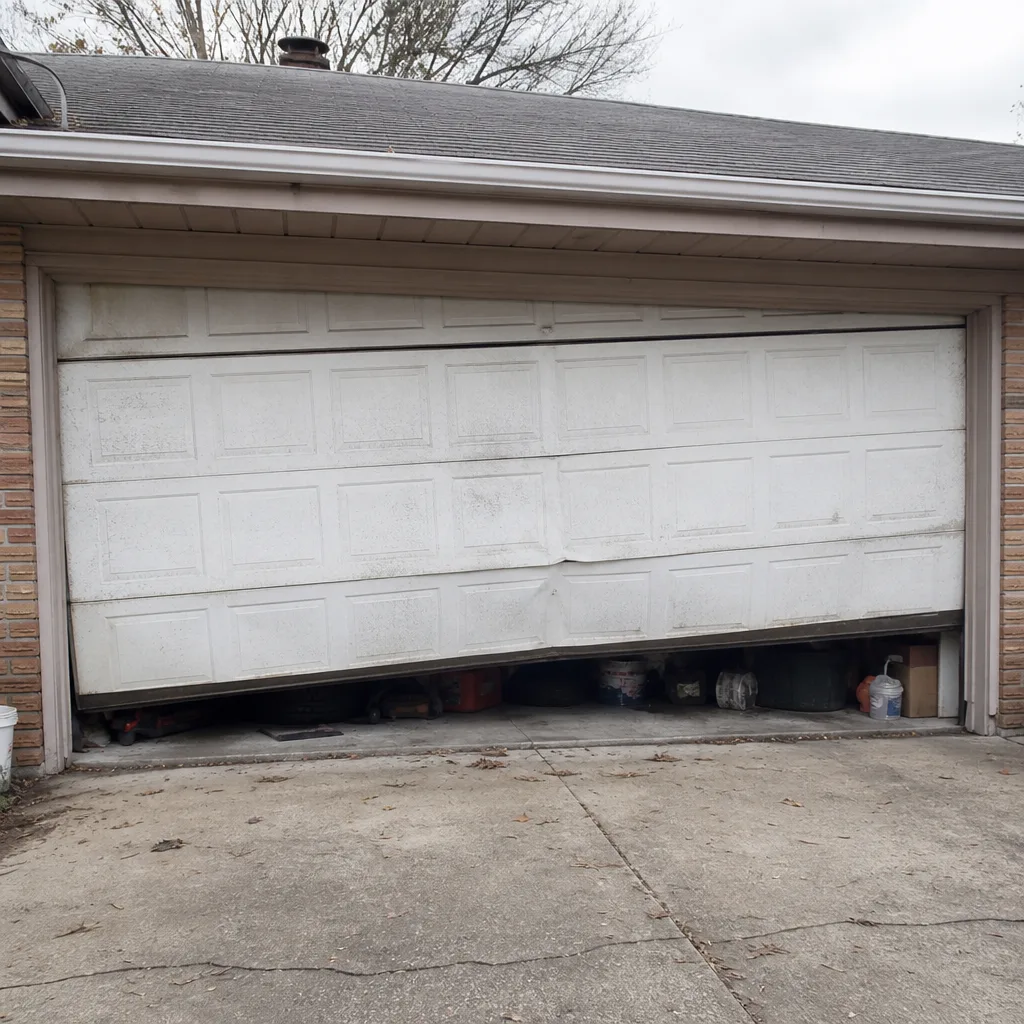 Before
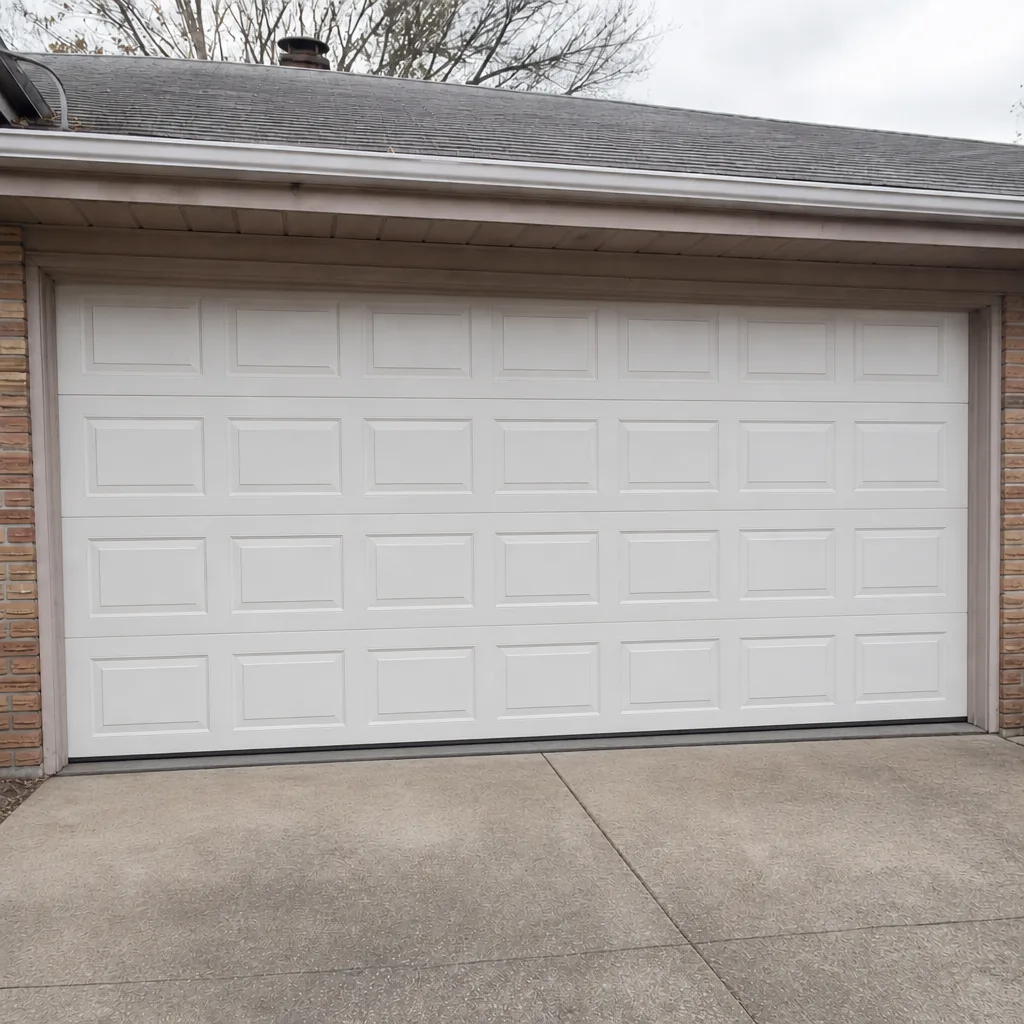 After
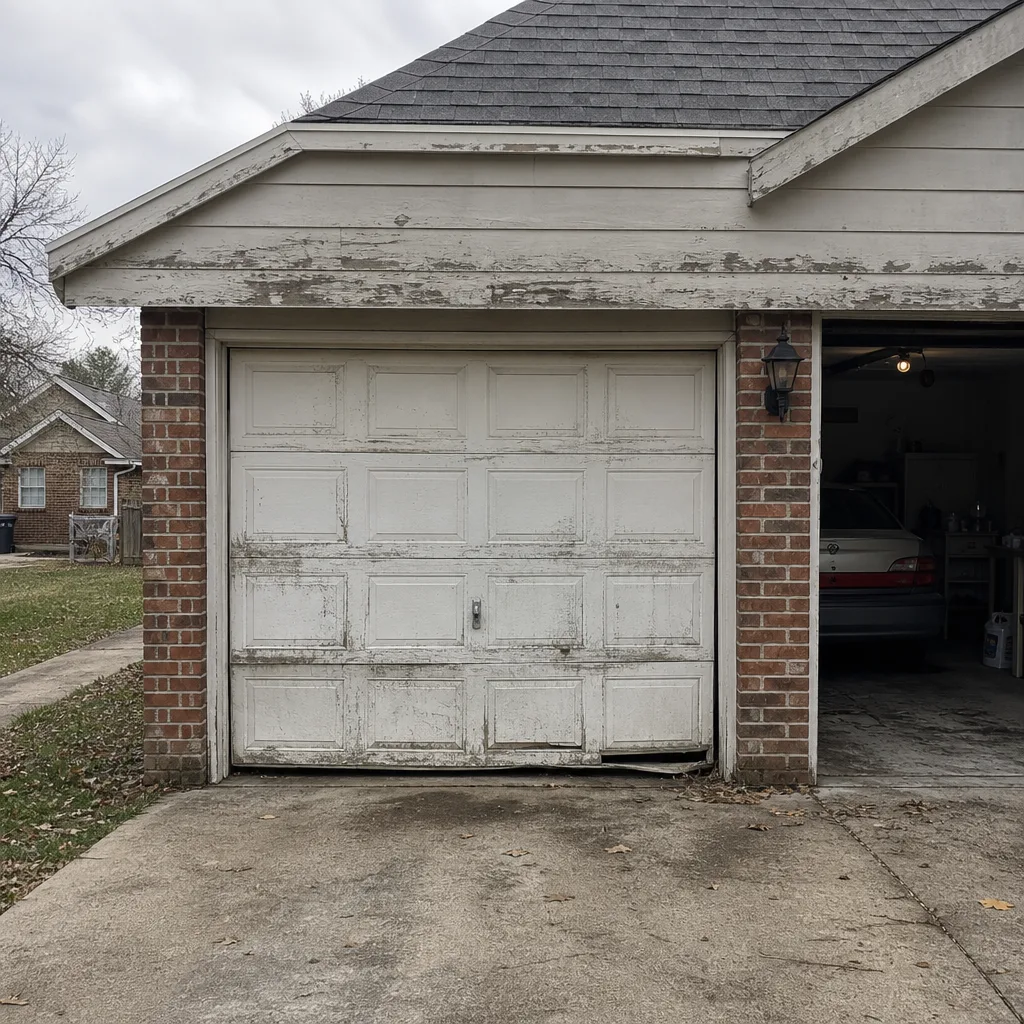 Before
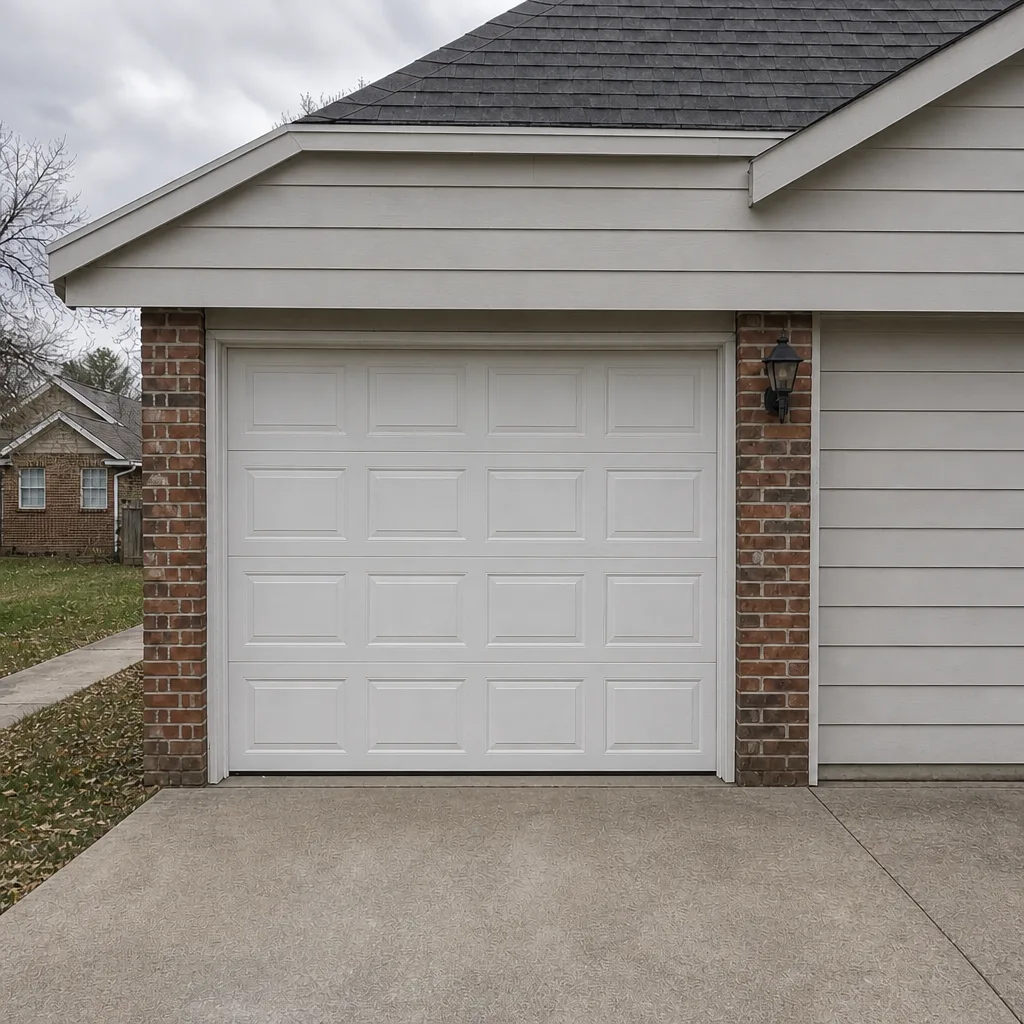 After
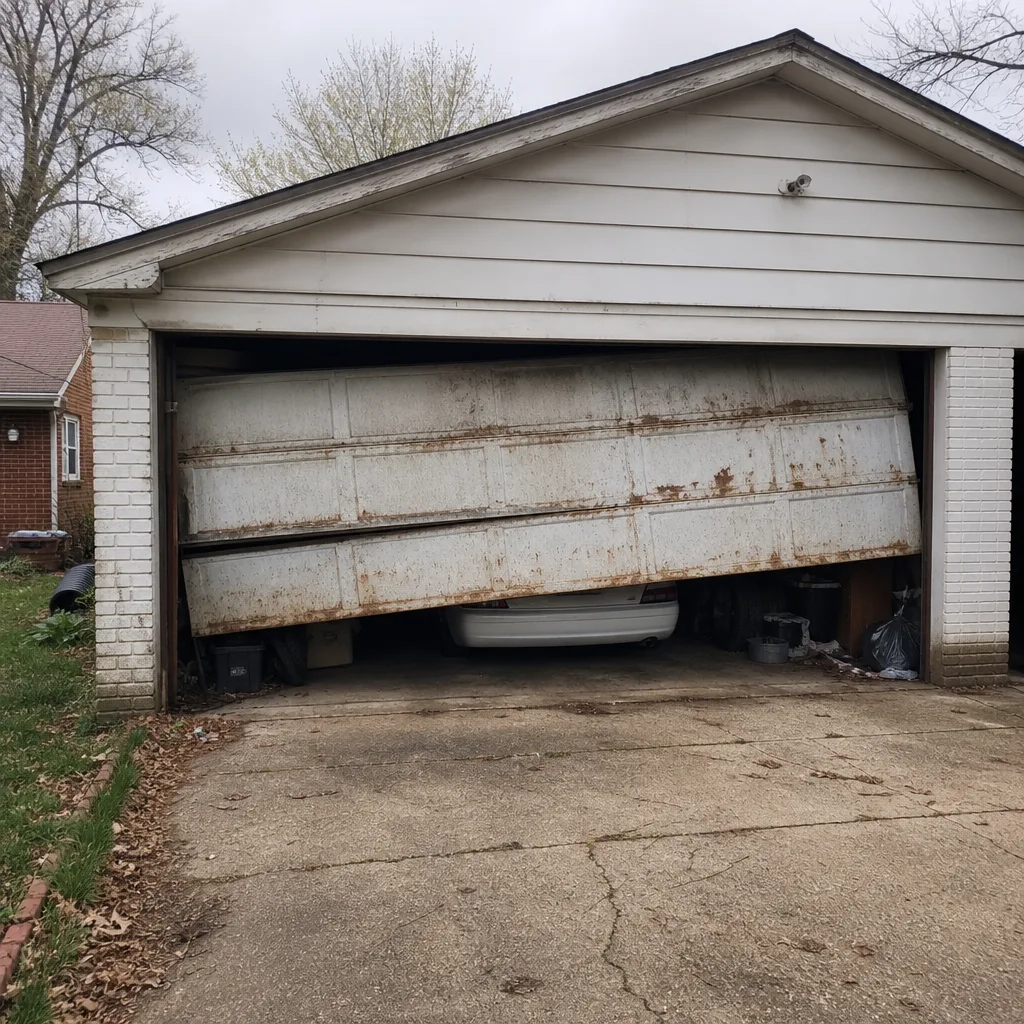 Before
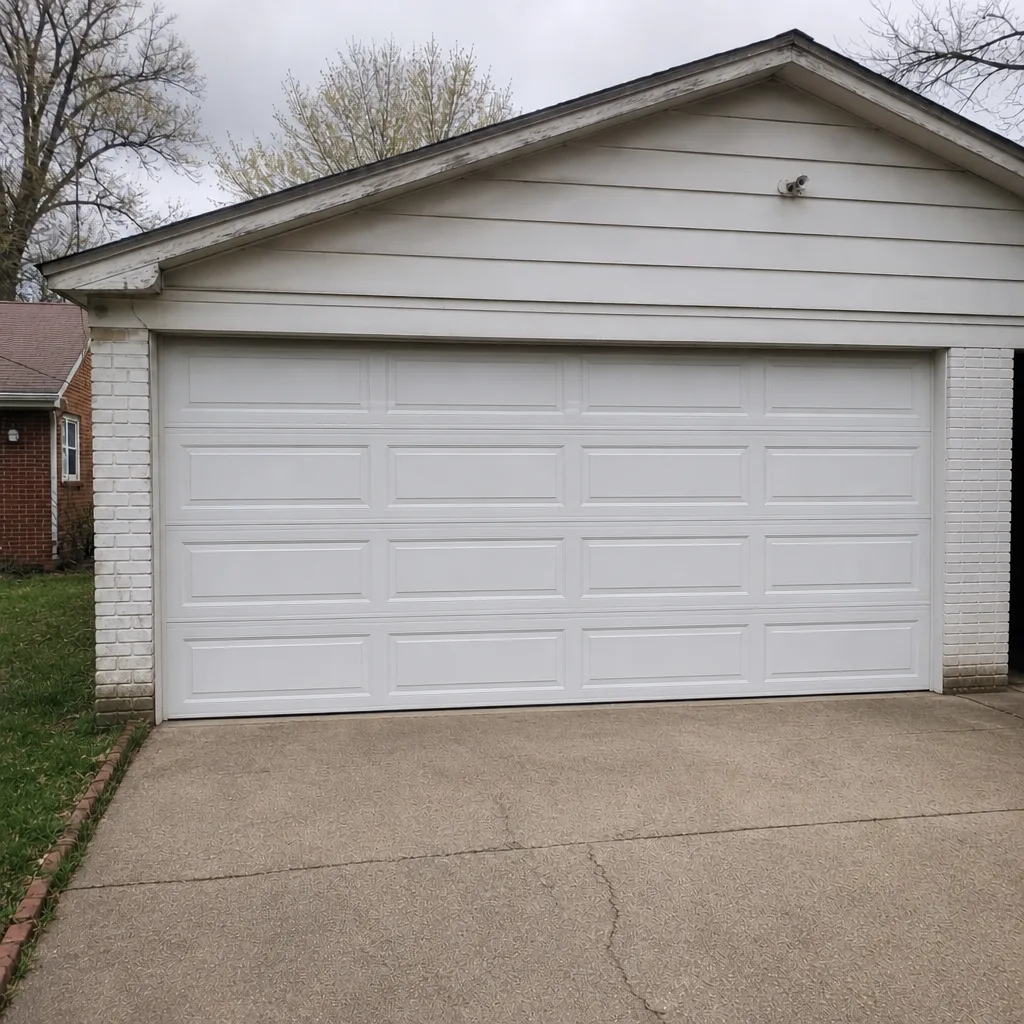 After
When to Call a Professional
Some garage door problems genuinely need a technician, no matter how handy you are. Any symptom that involves springs, cables, or the torsion shaft is off-limits for homeowners. A door that’s visibly crooked or one side lower than the other has a mechanical failure that needs a trained eye. A bent track, a snapped cable, or a door that won’t lift by hand after release – all technician work. On the opener side, anything beyond a battery, sensor cleaning, or outlet check is also worth a call, because the diagnostic tools and replacement parts are what actually fix the problem, and a specialist saves you a return trip. Our technicians have up to 13 years of experience across the brands your door was built with. Garage Door Repair Holly Hills offers free estimates in Holly Hills – call (855) 550-7571 and we’ll get you scheduled or give you the honest answer on the phone.
Frequently Asked Questions
The safety sensors are almost always the cause. Either the sensor beam is interrupted (a misaligned bracket, dirt on the lens, or an object in the path), or the door is binding in the last few inches of travel and the opener detects the resistance as an obstruction. Clean both lenses, check the LED status on each sensor, and look for anything in the beam path first. If the door reverses only in the last few inches and the sensors look fine, the opener is reacting to friction in the tracks – call us for a diagnostic. (855) 550-7571 for a free estimate.
It means the motor is trying to run but the drive isn’t engaging the door. The most common cause is a stripped drive gear inside the opener body, which is a part-level repair on most LiftMaster and Craftsman systems. The second most common cause is a broken or disengaged trolley. Neither requires a new opener. A trained technician can diagnose and repair it in a single visit with the right part in hand. Call (855) 550-7571 if you want a firm quote.
No. Torsion and extension springs store enough energy to cause serious injury when they fail during handling, and the winding tools, turns, and safety cables require training and experience to work with safely. This is true even for experienced DIYers. Spring repair is the one category where every homeowner should stop and call a professional. Our technicians handle torsion and extension springs across the brands most Holly Hills homes have installed. (855) 550-7571 for a free estimate.
Grinding is nearly always metal-on-metal contact somewhere in the door path. The three most common culprits are worn steel rollers, dry hinges, and a track that’s drifted slightly out of alignment after a season of temperature swings. Holly Hills humidity and seasonal soil movement can shift a track just enough to add friction. A tune-up with proper lubrication and a track realignment usually silences it. If the door is wood and the grinding gets worse in humid months, the panels may be swelling and pressing against the frame. Call (855) 550-7571 to schedule a diagnostic.
Pull the manual release cord (the red handle) and lift the door by hand. If it lifts smoothly and stays put at about half travel, your door is fine and the problem is the opener. If it’s heavy, binds, or won’t stay up, the door’s mechanical components – springs, cables, tracks – are the problem and the opener is not to blame. This two-minute test is the single most useful thing you can do before calling. (855) 550-7571 if you’d like us to talk you through it.
Yes, usually twice as much, because the wrong repair has to be undone or ignored while the real problem gets fixed. A common example: paying for a new opener when the actual failure was a broken spring – the new opener struggles or fails because the heavy door it’s trying to lift is unchanged. Getting the symptom right the first time is the cheapest path. A free estimate puts a trained technician on the right diagnosis before any work starts, and the price gets quoted and agreed before anything is done. Call (855) 550-7571 to schedule.
The Bottom Line
Your door is telling you which component is failing. Reversal means sensors. A heavy door that won’t lift means springs. Grinding means rollers or tracks. A click with no movement means the opener’s drive. The two-minute manual release test tells you whether you’re dealing with an opener problem or a mechanical problem, and everything you do after that flows from that answer. Do the safe tests yourself – sensor check, remote battery, outlet – and stop at the springs, cables, and torsion shaft. Every one of those needs a trained technician, and no amount of DIY confidence changes that. If you’re in Holly Hills and you’ve reached the end of what you can safely check, a diagnostic call is the cheapest repair you’ll ever make. (855) 550-7571, free estimates.
Garage Door Repair Holly Hills works on the brands your door and opener were built with, from the opener to the spring to the panel.
Written by the team at Garage Door Repair Holly Hills.