Last updated November 20, 2026
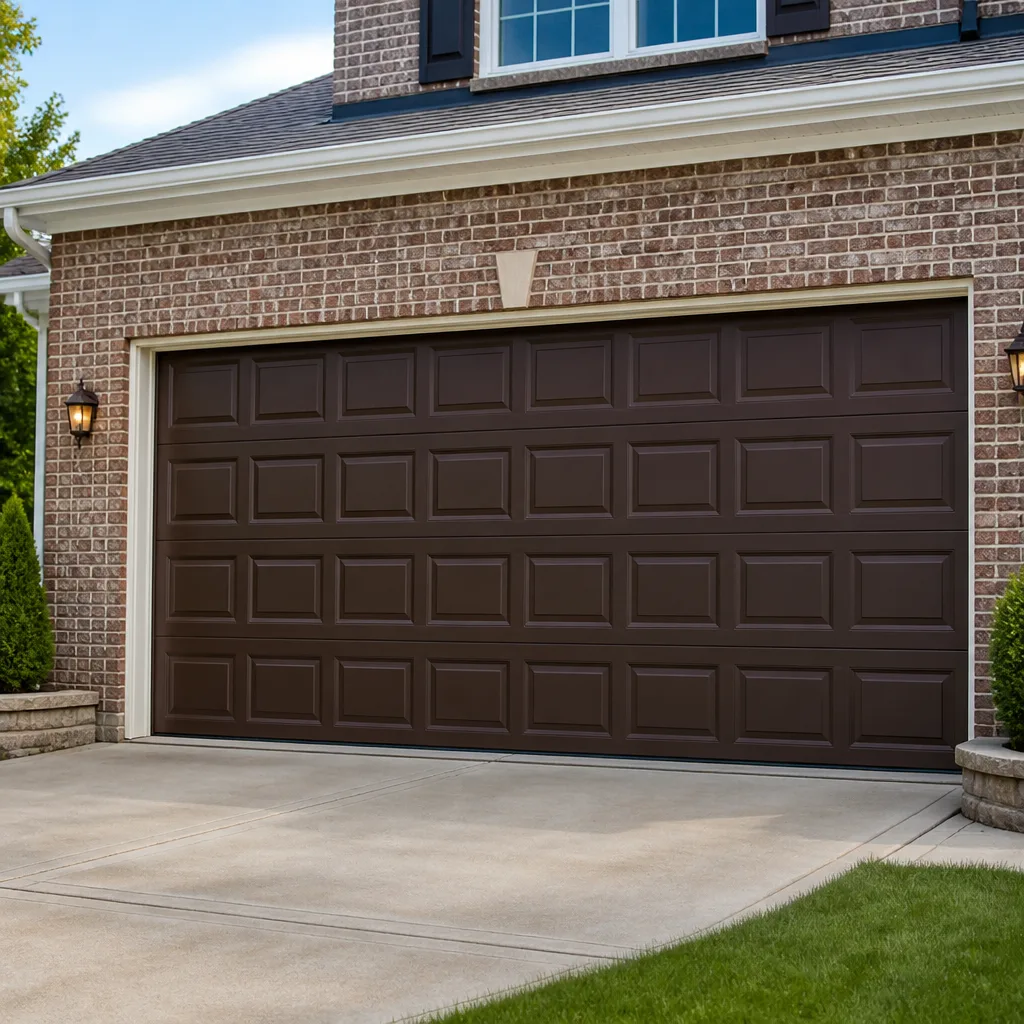 Raised-panel steel
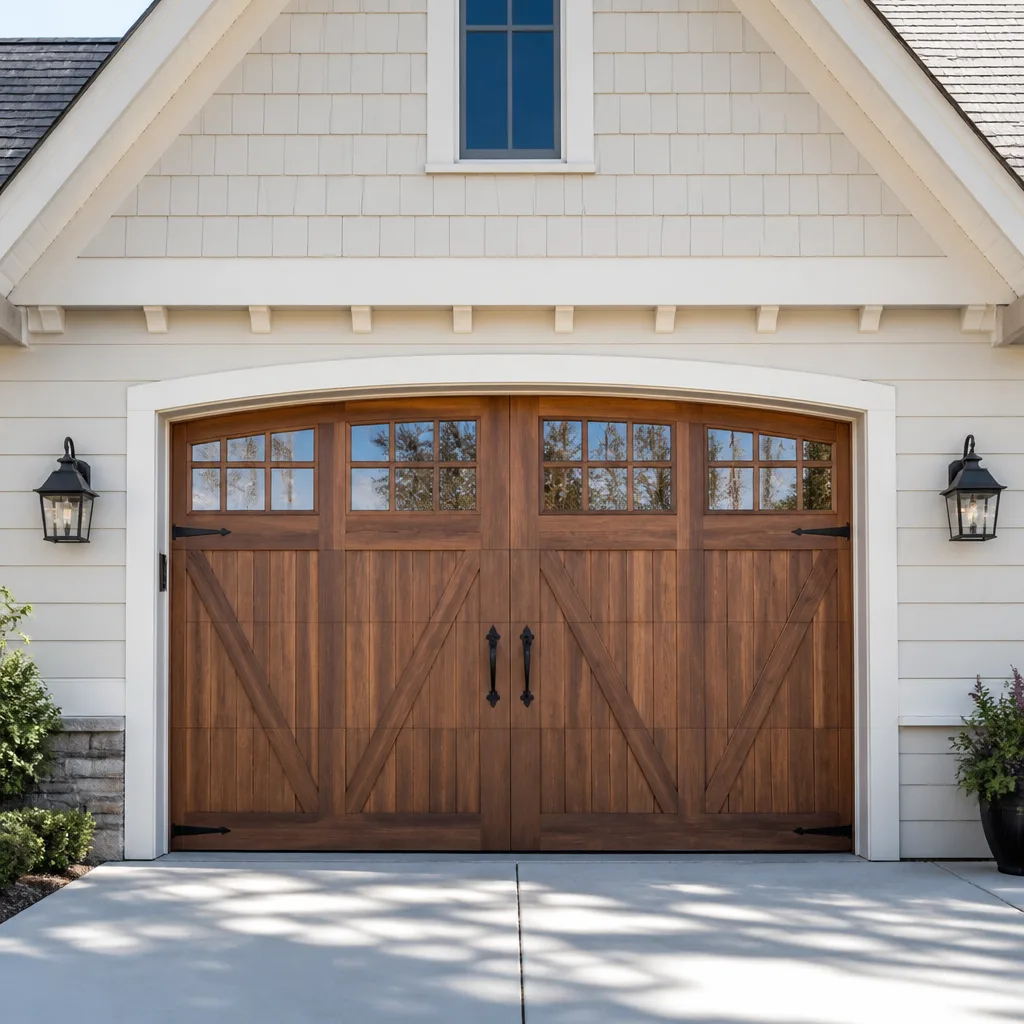 Carriage house
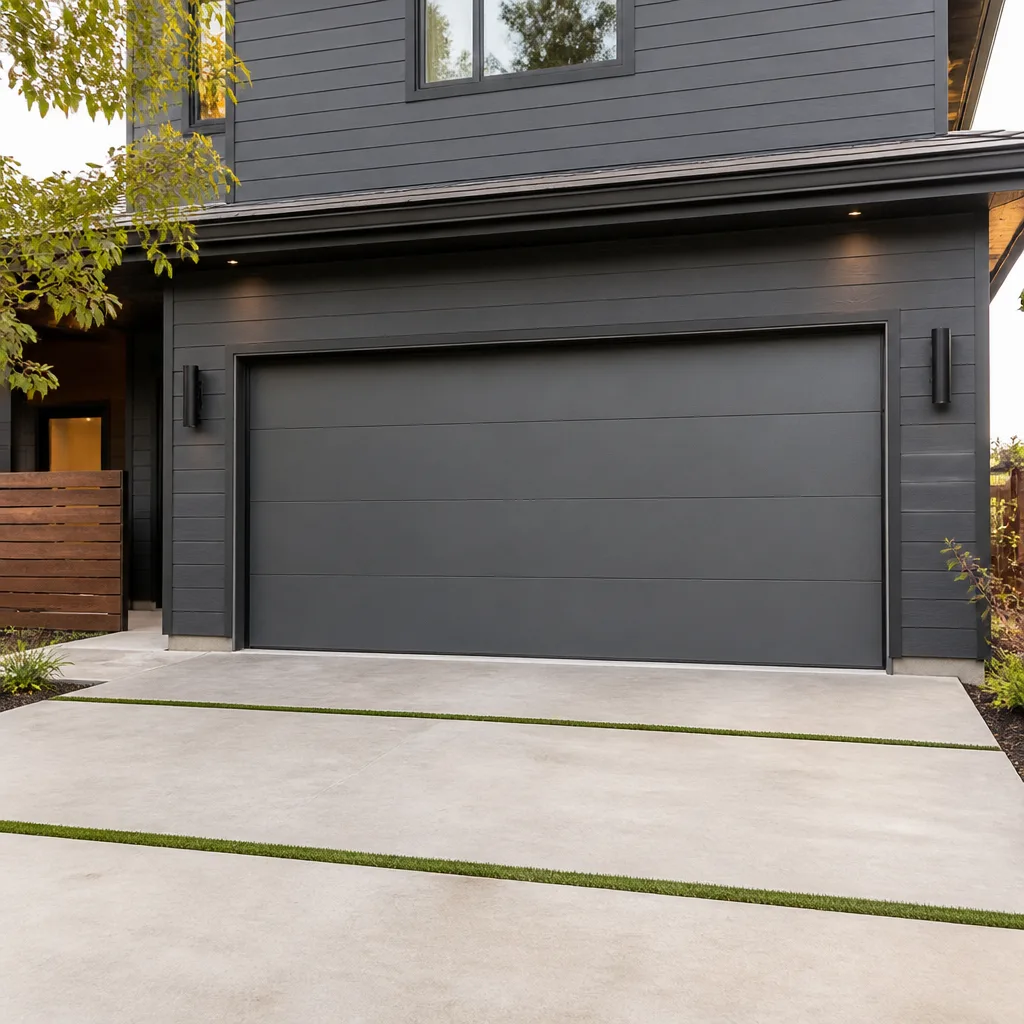 Modern flush
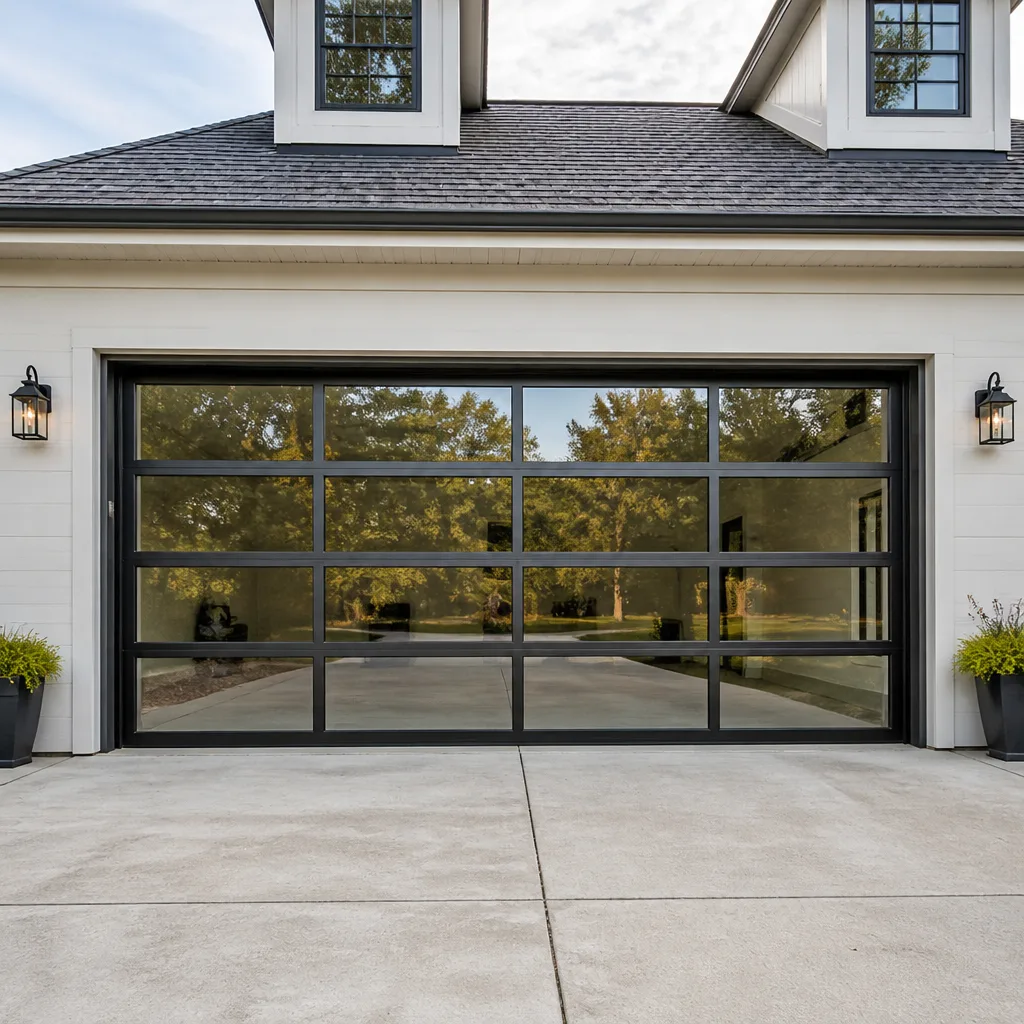 Full-view glass
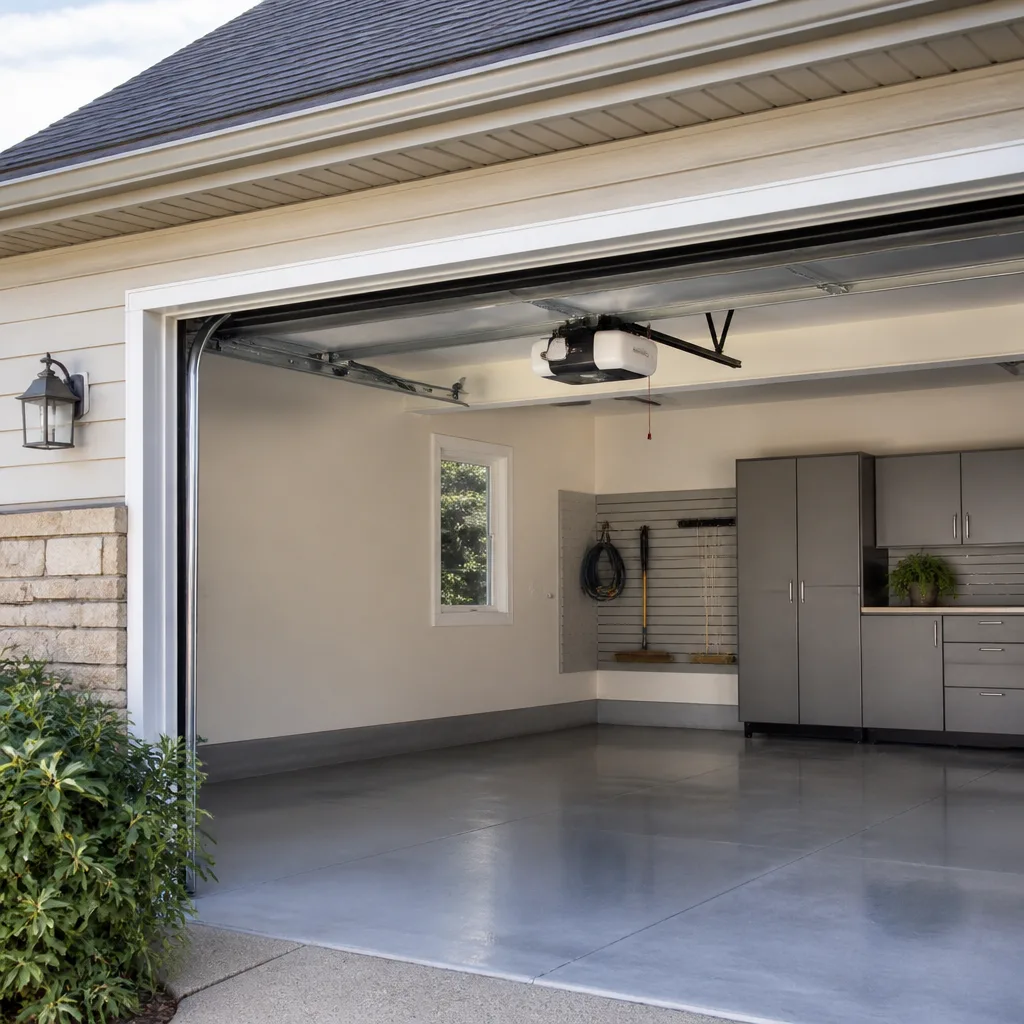 LiftMaster openers
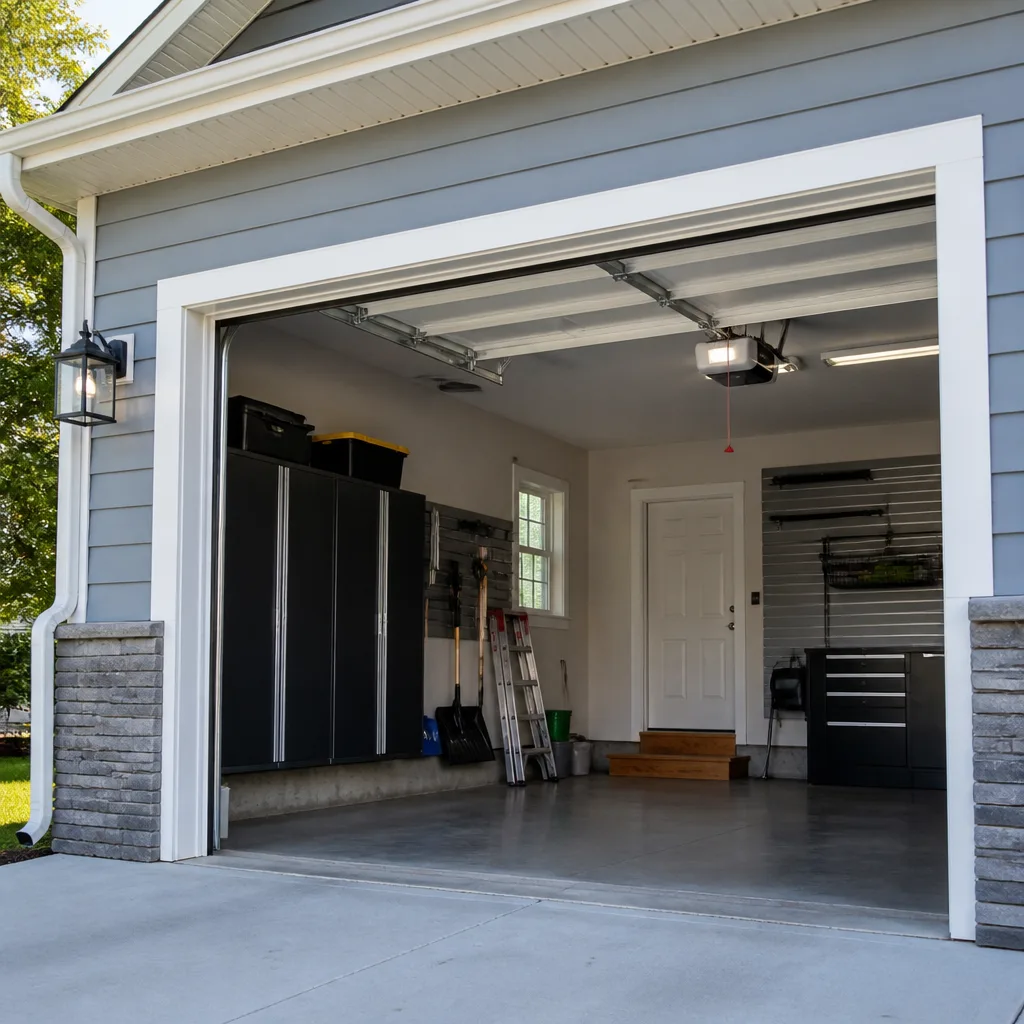 Chamberlain openers
Full 25-point door and opener safety check with every visit - springs, cables, rollers, tracks, and your LiftMaster or Chamberlain opener included
You get a price before we start. It does not change when the pro arrives.
Get your free estimateGarage Door Permits, Codes & Inspections in Holly Hills, MO: What You Need to Know
Most Holly Hills homeowners assume a garage door swap is like replacing a light fixture: buy it, install it, done. That assumption costs money at resale. In unincorporated Holly Hills, garage door work falls under St. Louis County jurisdiction, and the county draws a clear line between a like-for-like replacement and an alteration. Cross that line without pulling a permit and you can end up answering questions from a title company instead of a contractor. This guide covers when a permit is required, what an inspection checks, how to legalize work after the fact, the fire-rated door rules that surprise almost everyone, and the HOA overlays that sit on top of county code.
Quick Answer
A like-for-like garage door replacement in Holly Hills usually does not require a permit, but anything that changes the opening – widening it, raising the header, changing the structural framing – typically does under St. Louis County rules. Inspections focus on wind-load compliance, header integrity and opener safety features, and un-permitted structural work can surface in a title search and delay a sale. Always confirm specifics with the St. Louis County building department before work starts.
Styles & brands we work with
- Raised-panel steel
- Carriage house
- Modern flush
- Full-view glass
- LiftMaster openers
- Chamberlain openers
Table of Contents
- When Does St. Louis County Require a Permit for Garage Door Work?
- What Does a Garage Door Inspection Actually Check?
- How Do You Permit Work That Was Done Without a Permit?
- Fire-Rated Doors Between the Garage and the House
- HOA Rules in Holly Hills That Exist Alongside County Code
- Opener Safety Requirements and Why Inspectors Look at Them
- How the Process Usually Goes, Start to Finish
- What’s Different About Garages in Holly Hills
When Does St. Louis County Require a Permit for Garage Door Work?
The short version: changing the door itself is normally maintenance; changing the opening around it is construction. St. Louis County treats a garage door replacement as a permit-free repair when the new door matches the old one in size, position and function. Move a single dimension and you’ve moved into alteration territory, which needs a permit and at least one inspection.
Here’s where the two categories usually split:
- No permit typically needed: swapping a door for one of the same size, replacing panels, replacing torsion or extension springs, replacing rollers, hinges or cables, and replacing an opener with a unit of the same type.
- Permit typically needed: widening or narrowing the opening, raising the header, changing the structural framing around the opening, converting a manual door to an automatic one where wiring is involved, or turning a non-habitable garage into living space.
- Worth a phone call either way: a door that’s the same width but noticeably heavier, such as a switch from a light aluminum door to an insulated steel model. The opening doesn’t change, but the loads on the springs, track and header do, and an inspector may want to see how the hardware was sized.
In our experience, the confusion comes from the word “replacement.” A contractor replacing a door and a contractor widening a hole in your wall can both describe the job as “replacing the garage door.” One needs a permit; the other usually doesn’t. Before any work starts, ask your contractor which category the job falls into and get that answer in writing on the estimate. If you’re unsure, call the St. Louis County building department directly and describe the work in plain terms.
This is also where a specialist pays off. When we handle Garage Door Repair Holly Hills, the first conversation is about what’s actually being changed, because that answer determines the paperwork. A generalist who installs doors a few times a year often skips that step entirely.
What Does a Garage Door Inspection Actually Check?
An inspection isn’t a general “does it work” check. It’s a series of specific verification points, and knowing them in advance tells you what to fix before the inspector arrives rather than after.
- Wind-load compliance. Garage doors are large, light, flat surfaces, which makes them vulnerable in high-wind events. St. Louis County inspections look at whether the door and its track system are rated and installed for the wind pressures at that opening, and whether the anchoring and reinforcement match what the manufacturer specifies for that door model. This is where brand documentation matters – a Clopay or Amarr door comes with published ratings you can hand over.
- Header and framing. The inspector checks that the header above the opening is structurally sound and correctly sized for the span. If the opening was widened, this is the heart of the inspection. A header that was cut down or notched to fit a larger door is a fail and a genuine structural problem.
- Opener safety features. The two features inspectors care about most are the photo-eye safety reversal system and the force-setting adjustment. Every opener we work on – LiftMaster, Chamberlain, Genie, Craftsman – has both, and both are testable in under a minute. The door must reverse when the beam is broken and when it meets resistance.
- Springs and hardware condition. Not a code item in the same way, but a component in poor condition can fail a functional test. A door that won’t balance or won’t stay open can’t be signed off.
- Fire separation. If the door in question is the one between the garage and the house, or the wall assembly around it, the inspector verifies the fire-rated separation is intact and unbreached. See the dedicated section below.
If a door arrives with no documentation for its wind rating, the inspection can stall. That’s one reason we keep brand coverage broad, so a homeowner already owning any of the eight major brands – Clopay, Amarr, Wayne Dalton, Raynor on the door side, and LiftMaster, Chamberlain, Genie and Craftsman on the opener side – isn’t stuck sourcing paperwork from a stranger.
How Do You Permit Work That Was Done Without a Permit?
Unpermitted work is not automatically a disaster. St. Louis County has a path for legalizing it, and most of the time the process is slower and more annoying than it is expensive. The alternative – leaving it – is what turns into a real estate problem, because title searches and buyer inspections do dig up unpermitted alterations, and a sale can stall while it’s sorted out.
The process generally runs like this:
- Find out what was actually done. Pull any records the county has on the property and compare against what’s physically there. A door that looks original but isn’t can still be non-compliant if the opening was modified to fit it.
- Contact the county building department. Explain the situation plainly: work was done, no permit was pulled, you want to legalize it. Ask what they require – usually drawings, a contractor statement, or both, depending on what was altered.
- Have the work assessed by someone who can speak to the structure. If the framing or header was modified, the county may want a professional to verify it meets code before it will issue a permit. This is where a garage door specialist and sometimes a structural engineer get involved.
- Correct any deficiencies found. Common ones are undersized hardware, missing reinforcement, and non-compliant opener safety features. Each is typically a straightforward fix once it’s identified.
- Pull the permit and schedule the inspection. Once it passes, the work is on record and no longer a title concern.
Costs vary with what was done and how much documentation the county asks for, so treat any online figure with suspicion – the honest answer is that it’s quoted per job. What we can say is that correcting a deficiency during the permit process is usually far cheaper than discovering it during a closing. If you’re selling and the question comes up, a quick call to us at (855) 550-7571 gets the physical situation assessed before you’re in a deadline crunch.
Fire-Rated Doors Between the Garage and the House
This is the code point that catches the most homeowners. There are two doors in play at a garage, and they’re governed differently. The big overhead door is for vehicles. The door between the attached garage and the house – the pass door – is a fire-separation component, and it is not a standard interior door.
The reason is simple: an attached garage is one of the likeliest places in a home for a fire to start, and a fire there has a straight run at the living space. Code treats the wall and door between them as a fire barrier. In practice, that means:
- The pass door is typically required to be a fire-rated door, solid-core and self-closing, with the appropriate label. A hollow-core interior door in that opening isn’t compliant.
- The frame and hardware need to match – the door has to close and latch on its own for the separation to do its job.
- Any penetration through the wall or ceiling of an attached garage – a hole for wiring, a vent, a duct – can breach the separation and needs to be sealed correctly.
- If a previous owner replaced that pass door with a decorative interior door, an inspection will flag it.
We see this in Holly Hills on older homes where the garage has been updated at various points over the years. If you’re having an inspection done for any reason, look at that pass door while the inspector is there. Fixing it is cheap compared with the alternative, and it’s one of the few code items that genuinely protects your family rather than just satisfying a form.
HOA Rules in Holly Hills That Exist Alongside County Code
St. Louis County is one layer. Your subdivision’s homeowner association is a second, entirely separate layer, and it can be stricter than the county in ways the county doesn’t care about at all. A door can pass inspection and still violate your HOA covenants.
The overlays we see come up most often in Holly Hills:
- Color and material restrictions. Many associations specify allowable door colors or restrict the range of panel styles. Some require the door to match the existing scheme or be approved by an architectural committee before installation.
- Window and glazing rules. Doors with windows or decorative hardware sometimes need approval, particularly on street-facing elevations.
- Style continuity. A modern full-view glass door on a street of traditional raised-panel doors can trigger a covenant violation even if it’s a beautiful door.
- Pre-approval timelines. Many associations require written approval before work starts, and the approval process runs on its own clock. If you’re ordering a door, get the HOA sign-off first so you’re not sitting on a delivered door you can’t install.
Read the covenants before you order, not after. If the language is vague, submit a request in writing and get the response in writing. County inspection won’t cover this, and neither will your contractor – but a contractor who works in Holly Hills regularly knows the questions to ask and can tell you when a design choice is likely to need approval. When you look for help with garage door repair, ask whether the company has dealt with HOA approvals on door replacements. It’s a fair question.
Opener Safety Requirements and Why Inspectors Look at Them
Openers aren’t an afterthought in an inspection. The safety features on a garage door opener exist because a garage door is the largest moving object in most homes, and the code treats them accordingly. If the opener in your Holly Hills garage is old enough to predate photo-eye safety sensors, replacing it isn’t just a convenience upgrade.
What inspectors and technicians verify on an opener:
- Photo-eye safety sensors. Two sensors at the bottom of the track, one on each side, that break a beam across the opening. If the beam is interrupted while the door is closing, the door must reverse. Sensors mounted too high, misaligned or taped over will fail this test.
- Force settings. The opener’s sensitivity to resistance. Set too high and the door won’t reverse on contact with an object. Set too low and the door reverses on its own for no obvious reason.
- Mounting and hardware. The opener rail, bracket and door connection all need to be sound. A loose bracket or a bent rail is a fail and a genuine hazard.
- Manual release. The emergency release must be accessible and functional so the door can be operated by hand in a power outage.
All four items are verifiable on the brands we work with daily – LiftMaster, Chamberlain, Genie and Craftsman cover the vast majority of residential systems. If you’re upgrading an opener, that falls under garage door opener repair in most cases, and the new unit should be installed with these features confirmed rather than assumed. We test every opener we touch against all four points, because an opener that fails an inspection has usually failed a safety test first.
How the Process Usually Goes, Start to Finish
For a replacement that involves any structural change, here’s the sequence in order. Timelines vary with the county’s workload and the HOA if there is one, so plan for weeks rather than days on anything requiring a permit.
- Define the scope precisely. Same size and position, or a change to the opening? This decision drives everything that follows and should be documented on the estimate.
- Check the HOA covenants. Submit any required architectural request early. Approval often takes longer than the physical work.
- Measure and order the door. The door has to be manufactured to the opening dimensions and wind rating. For a door change that requires ordering, we schedule a free measure and put the price in writing rather than promising a specific day.
- Pull the permit if one is needed. This is the homeowner’s responsibility ultimately, but a good contractor will tell you what’s required and often handles the paperwork.
- Install the door and hardware. Correctly sized springs for the door’s weight, track set to the right pitch, and reinforcement matched to the door’s published requirements.
- Test the opener. Photo-eye, force settings and manual release, all verified.
- Schedule the inspection. Have the door’s documentation ready. Inspection day is not the day to be hunting for a spec sheet.
- Keep the records. Permit number, inspection sign-off and door documentation go in your home file. That file is what answers the question at closing.
For a straightforward replacement with no structural change, steps 4 and 7 typically drop out, and the job is much shorter. When you’re ready to plan garage door installation, we walk through this list with you before anything is ordered.
What’s Different About Garages in Holly Hills
Holly Hills is an older, established part of St. Louis County, and the housing stock shapes the way garage door work goes here. Homes tend to have detached or semi-attached garages, narrower openings than newer construction, and a history of modifications made over many decades. That combination is exactly what makes the permit question more than theoretical.
St. Louis summers are hot and muggy and winters swing hard, which puts every garage door through a real range of expansion and contraction each year. Springs and cables take that load daily. In our experience, doors in Holly Hills tend to show hardware wear faster than doors in milder climates – not because of salt in the air (we’re a long way inland), but because of the temperature swings and the humidity. That wear is why inspections so often turn up hardware items rather than anything dramatic.
The other local factor is the age of the framing. On a house that’s been through several renovations, the header above the garage opening may not be what the original plans show. If a door replacement is being considered and the opening looks at all irregular, have it measured properly before ordering. That’s exactly what a free measure covers.
Common Mistakes to Avoid
- Assuming “replacement” always means no permit. A replacement that changes the opening size is an alteration under St. Louis County rules. Ask which category your job falls into before you sign anything.
- Widening an opening without checking the header. The header above a garage door carries real load. Cutting it down to fit a wider door without engineering puts the structure at risk and will fail an inspection.
- Ordering a door before HOA approval. Holly Hills associations often have architectural review requirements. Ordering first and asking later can leave you with a door you can’t install.
- Ignoring the fire-rated pass door. Replacing the door between the garage and the house with a standard interior door breaks the fire separation and is a common inspection failure in older homes.
- Losing the door’s documentation. Wind ratings and specification sheets are what an inspector wants to see. Keep them in your home file, not in the recycling.
- Letting unpermitted work sit. The longer it sits, the more likely it surfaces at the worst possible moment during a sale.
- Letting a generalist touch high-tension springs to save a call. Torsion and extension springs are under extreme tension. This is not a component to learn on, and it isn’t a job for a handyman who installs a door occasionally.
See the difference
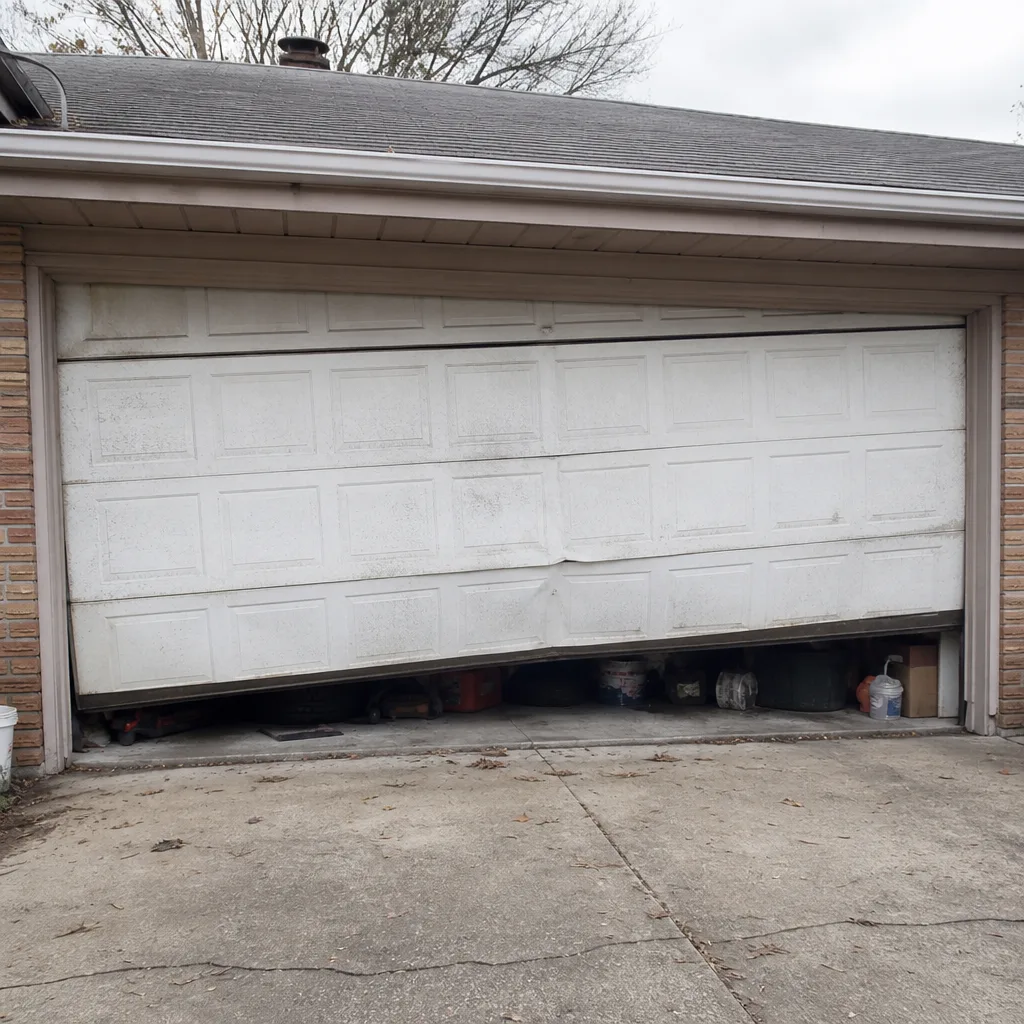 Before
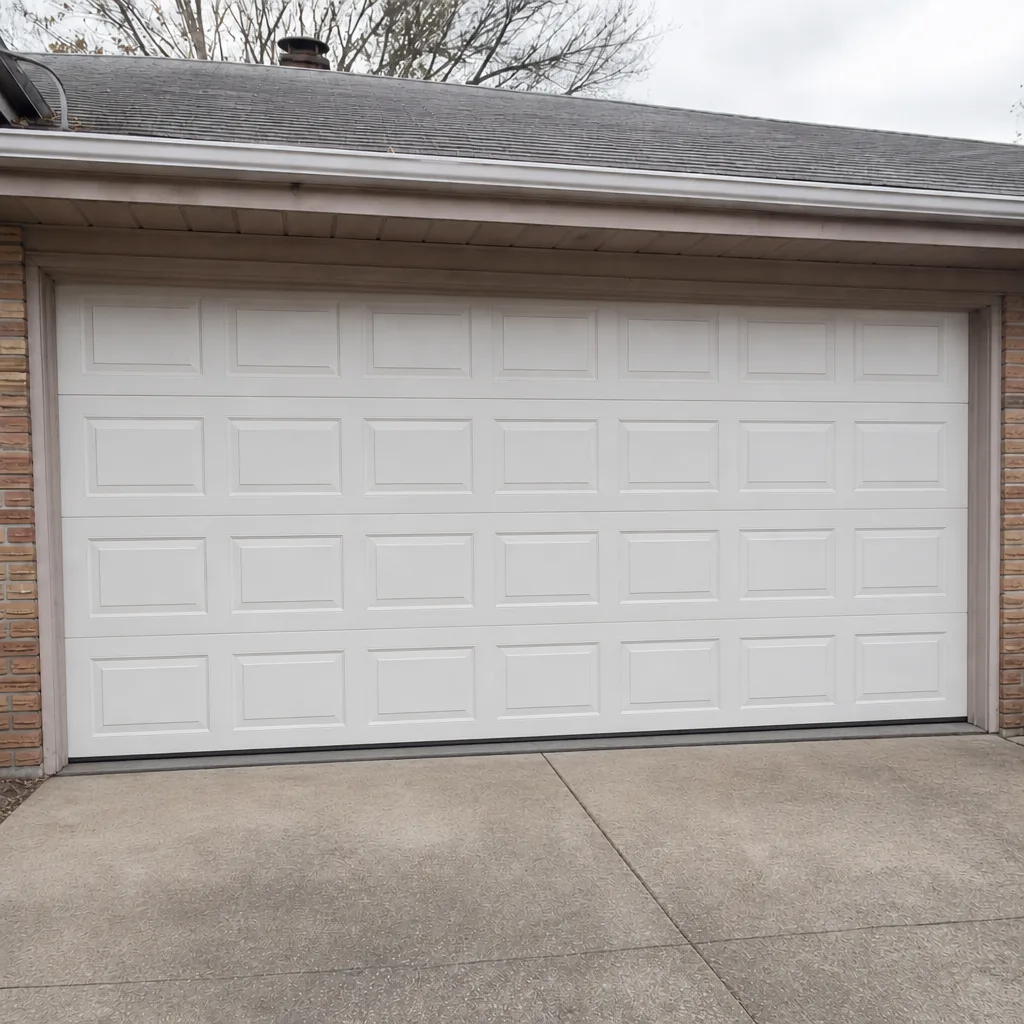 After
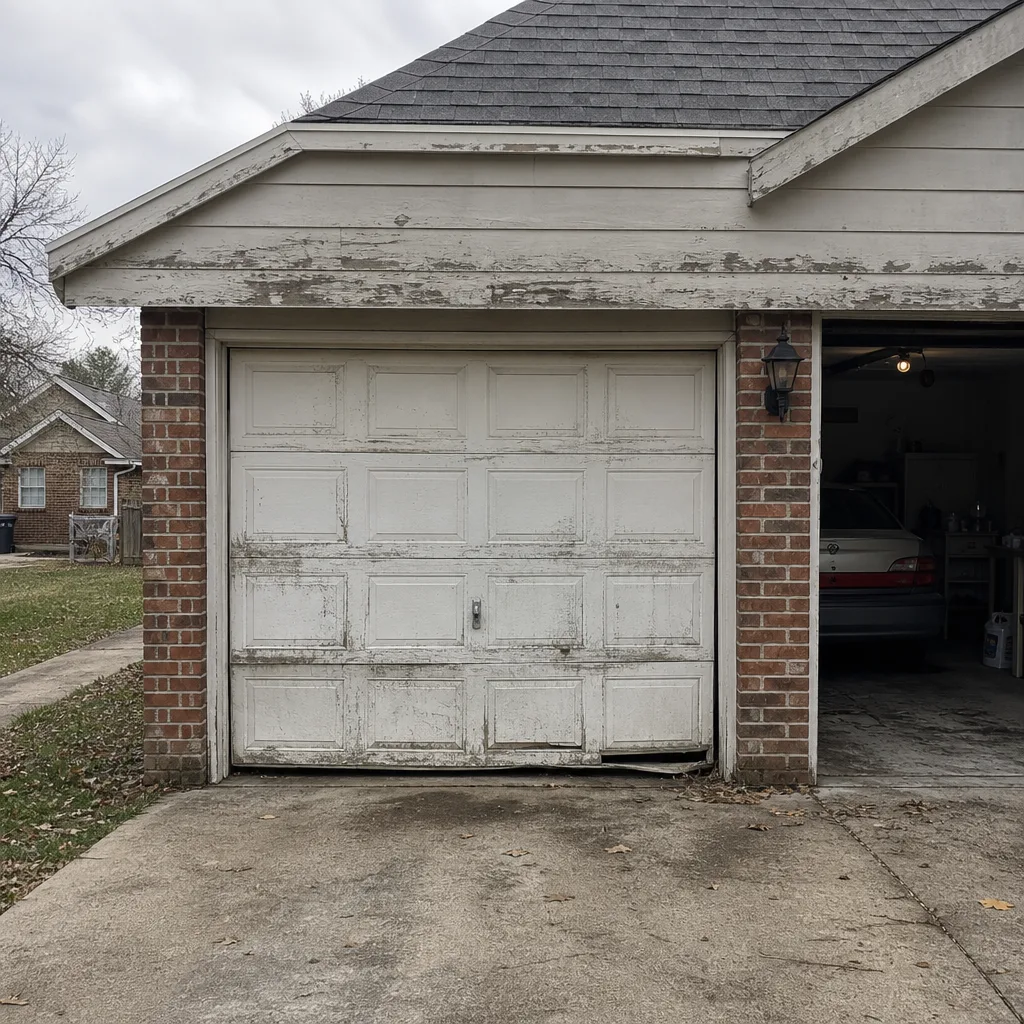 Before
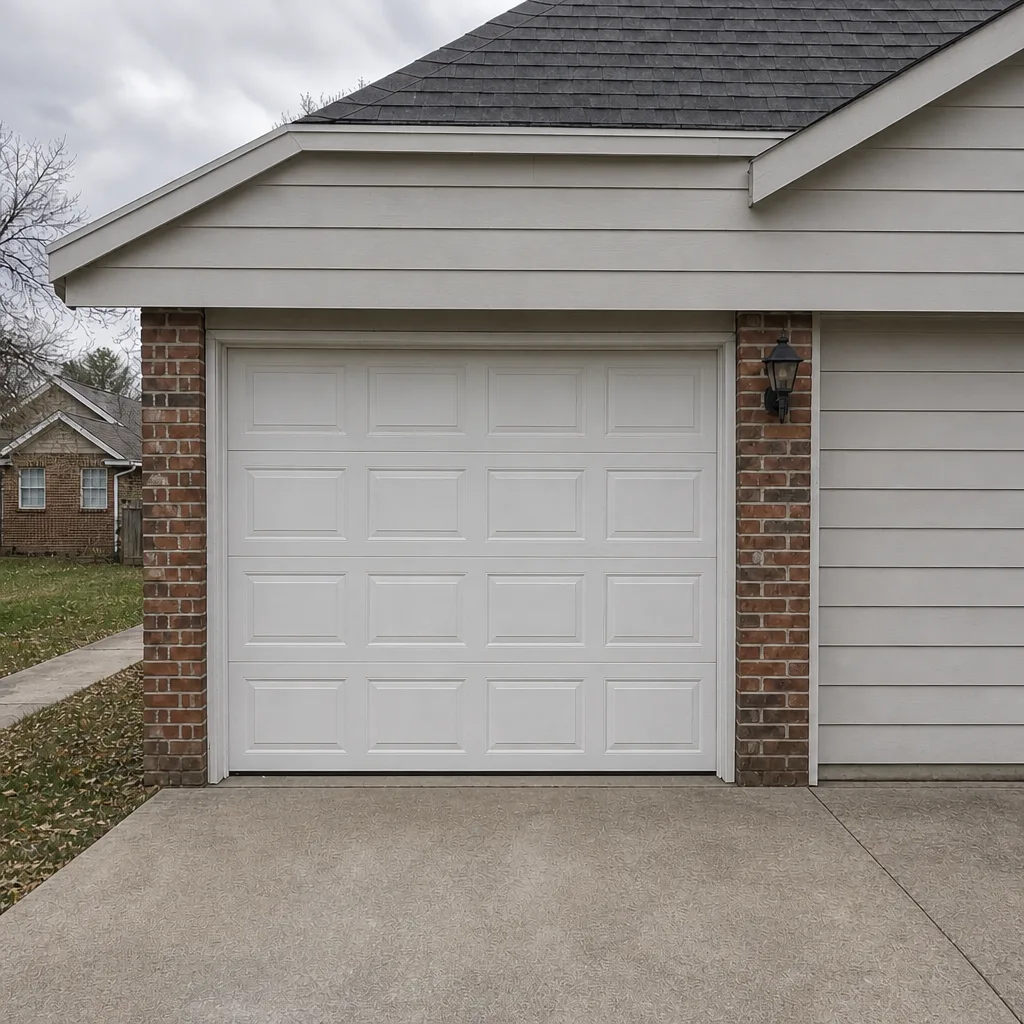 After
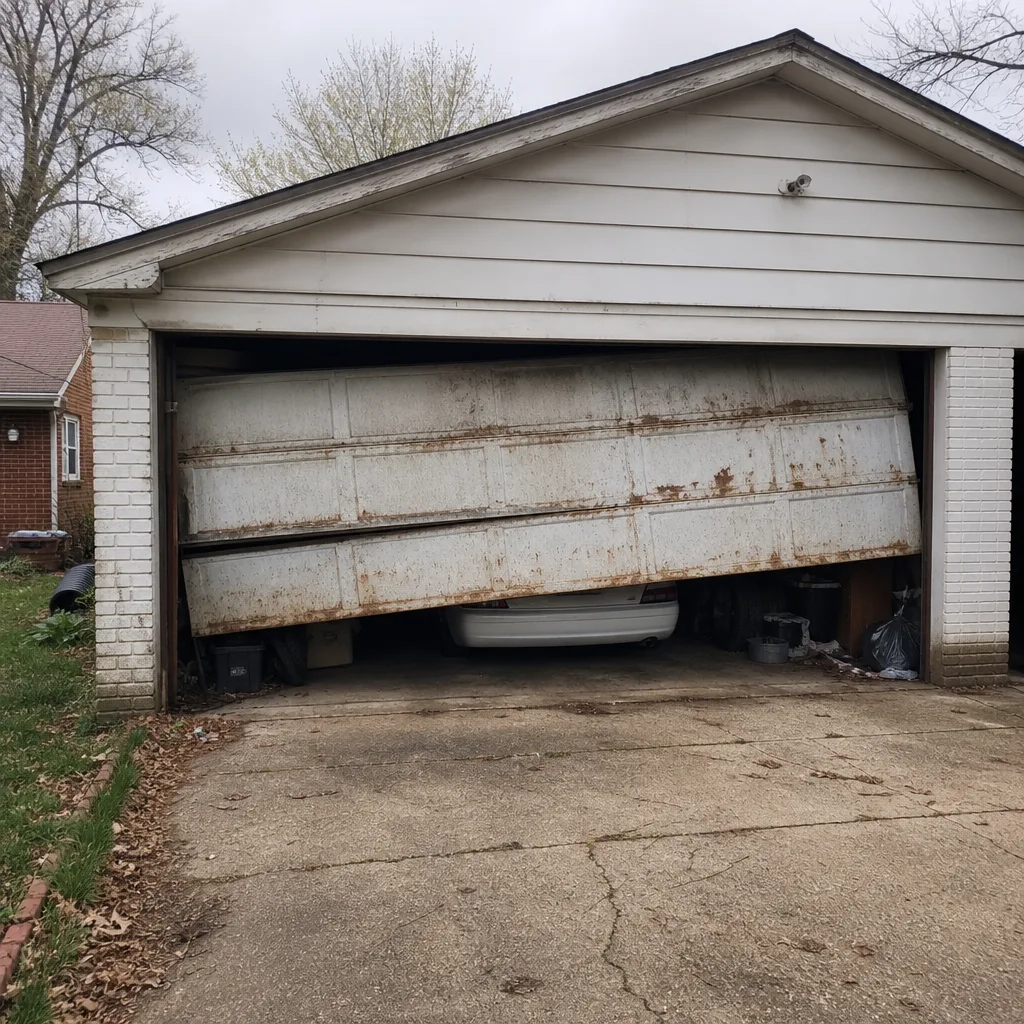 Before
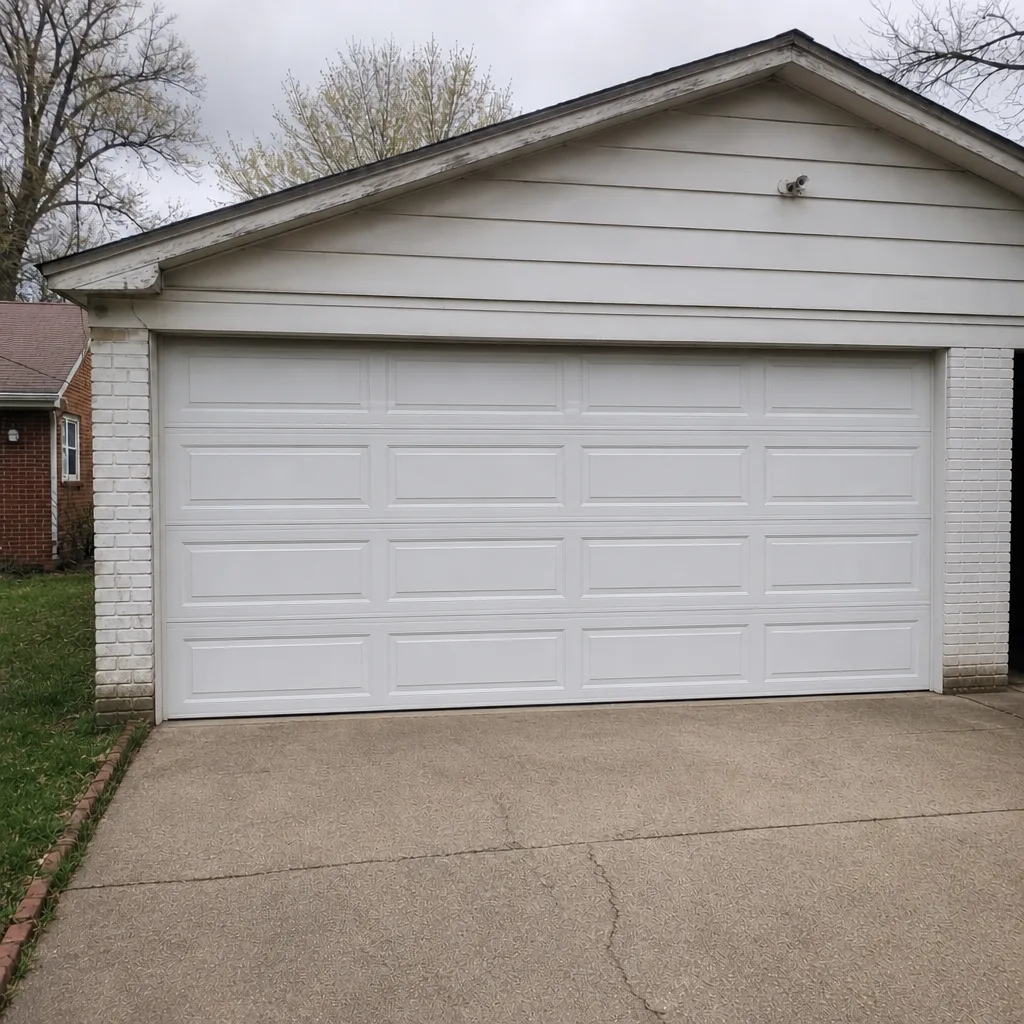 After
When to Call a Professional
Call a specialist when the work involves anything structural, anything involving springs or cables, or any door or opener that fails a safety test. If you’re not sure whether your job needs a permit, call and describe it – we’ll tell you which category it likely falls into and what to confirm with the county. If you’re going through an inspection, have the door and hardware checked first so you’re not paying for a re-inspection. Garage Door Repair Holly Hills offers free estimates in Holly Hills – call (855) 550-7571. Our technicians have up to 13 years of experience, and we work across Clopay, Amarr, Wayne Dalton, LiftMaster, Chamberlain, Genie, Craftsman and Raynor systems, so there’s no brand learning curve.
Frequently Asked Questions
Usually not, if the new door is the same size and in the same position as the old one. A permit is typically required when the opening itself changes – widened, narrowed, raised, or reframed. Holly Hills falls under St. Louis County jurisdiction, so confirm with the county building department before work starts, since the answer depends on exactly what’s being done. Call (855) 550-7571 if you want the physical scope assessed first, and we’ll help you figure out which category it’s in.
You can still legalize it. St. Louis County has a process for permitting existing work: you contact the building department, describe what was done, and follow their requirements for drawings, verification and inspection. It usually isn’t dramatic, but it does take time. Getting it done before you list the house is far better than having it surface mid-closing.
In attached garages, yes – the door between the garage and the living space is a fire-separation component and is typically required to be fire-rated, solid-core and self-closing. It’s a common failure point in older Holly Hills homes where an interior door was swapped in at some point. If an inspection is coming up, check that door before the inspector does.
Yes, and HOA rules operate separately from county code. Associations commonly restrict door color, panel style, glazing and hardware. Submit an architectural request before you order the door, and keep the approval in writing. A door that passes county inspection can still violate your covenants.
It can. Title searches and buyer inspections can surface unpermitted structural work, and it can delay or derail a closing while it’s resolved. The fix is usually less expensive than the delay, so dealing with it early is the cheaper path. We can assess the physical side quickly – call (855) 550-7571 for a free estimate.
Ask one question: is the opening itself changing? Same size, same place, same function means it’s normally a repair with no permit. Any change to the width, height, position or framing of the opening means it’s likely an alteration needing a permit. Put the answer in writing on your estimate, and if it’s unclear, call the St. Louis County building department and describe it in plain terms.
The Bottom Line
Garage door permits in Holly Hills come down to one line: replacing like-for-like is usually maintenance, and changing the opening is construction. Inspections check wind-load compliance, header integrity, opener safety features and fire separation, and the pass door between garage and house needs to be fire-rated. HOA rules run on a separate track from county code, so settle both before ordering. And if there’s unpermitted work already in place, legalize it early – it’s almost always cheaper than discovering it at closing. When you need the work done right and documented, call Garage Door Repair Holly Hills at (855) 550-7571 for a free estimate.
Written by the team at Garage Door Repair Holly Hills.